Entertainment
Taylor Swift Footage Inspires Acclaimed Psychological Horror Film
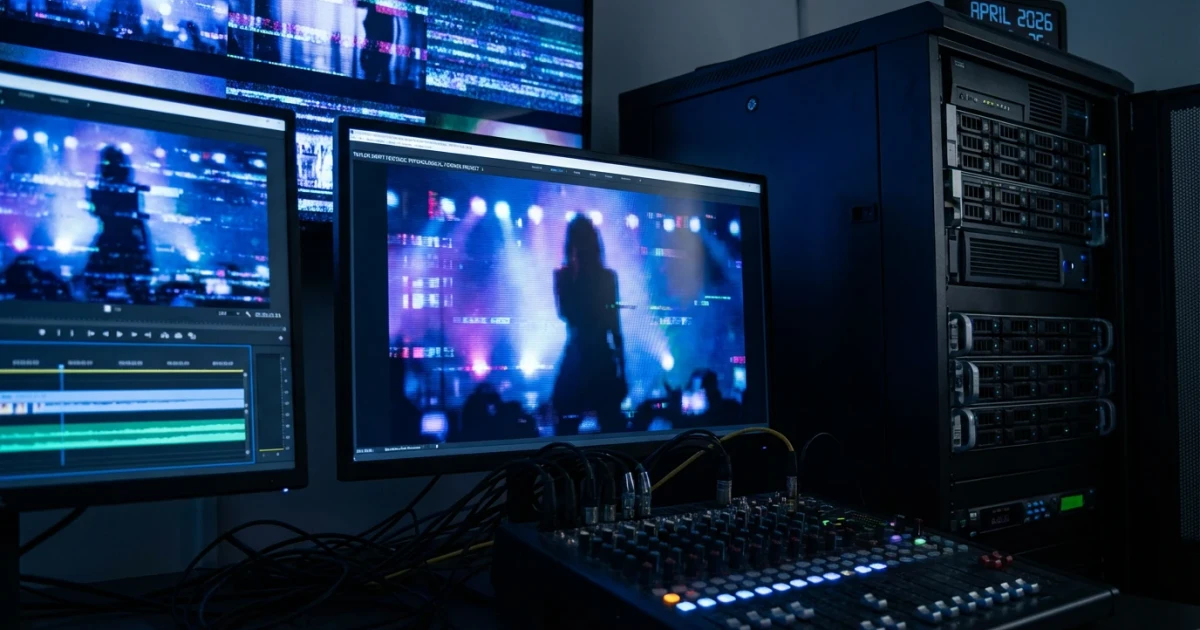
In an unconventional twist for the genre, a celebrated filmmaker has released a new psychological horror film built entirely from found footage of Taylor Swift, prompting widespread critical discussion and raising questions about celebrity, media, and the boundaries of art and horror.
Unpacking the Film’s Creative Approach
The film, which debuted this week to strong critical attention, sets itself apart by using actual footage of Taylor Swift as its sole visual and narrative foundation. Rather than employing traditional storytelling or actors, the filmmaker repurposes existing clips of Swift—concert performances, interviews, candid moments—to craft an unsettling narrative that blurs the lines between documentary and fiction. Slate’s review highlights the film’s ambition, describing it as “something else” within the psychological horror space, and notes the director’s willingness to experiment with form and expectation.
The choice to build a psychological horror story from the real-life media presence of a global pop star taps into ongoing debates about the psychological horror genre and its evolution. Psychological horror typically relies on atmosphere, ambiguity, and internal conflict more than visceral scares or supernatural elements. By using Swift’s familiar imagery, the film leverages the audience’s pre-existing relationship with her persona, creating tension and anxiety in unexpected ways.
Critical Reception and Impact
Slate’s coverage emphasizes the film’s polarizing effect on critics and audiences. Some view it as a bold artistic statement—unlike anything seen in the genre to date—while others question whether the use of celebrity footage crosses ethical or creative lines. The film’s reception echoes broader trends in the horror market, which has seen increased interest in psychological horror films in the U.S., driven by audiences seeking more cerebral, unconventional scares.
- The film’s use of archival and media footage places it within a growing subgenre of "found footage" horror, but distinguishes itself by focusing on an actual living celebrity rather than fictional characters.
- Industry observers note that psychological horror films have historically performed well with critics and developed strong cult followings, though box office performance can vary widely based on marketing and audience reception.
- Some reviewers cite the film’s ability to invoke discomfort and suspense through editing and context, rather than special effects or traditional horror tropes.
Celebrity, Media, and the Nature of Horror
By focusing on Taylor Swift, the film comments on the intersection of celebrity culture and psychological unease. The use of familiar footage asks viewers to reconsider their relationship with media, fandom, and the often-blurred line between public persona and private reality. The filmmaker’s approach appears to critique the way celebrities are consumed by audiences, and how their images can be manipulated to evoke emotion—fear, empathy, or even paranoia.
This technique also raises questions about artistic boundaries and the ethics of repurposing real-life footage for fictional horror. While the film does not claim to depict actual events, its use of a real public figure challenges viewers to reflect on the power dynamics of fame and the media’s role in constructing narrative.
Taylor Swift’s Enduring Cultural Influence
The choice to center such a project on Taylor Swift is notable given her significant box office presence and longstanding influence in both music and film. Swift’s extensive awards record and filmography have made her a cultural touchstone, with audiences deeply familiar with her image and story. This familiarity is weaponized by the film to heighten psychological tension, reflecting the unique relationship between viewers and modern celebrity.
As the film continues to generate discussion, it stands as a provocative example of how horror can evolve by engaging with real-world media and public figures, challenging traditional boundaries and expectations. The filmmaker’s gamble is already paying dividends in terms of critical attention and debate, suggesting that psychological horror remains fertile ground for innovation.
Looking Forward
As more viewers and critics engage with the film, its long-term impact on both the psychological horror genre and the representation of celebrity in media remains to be seen. The project’s success may encourage further experimentation with found footage and public personas, or prompt new conversations about the ethics and artistry of horror filmmaking in the social media age.