Entertainment
Taylor Swift marries Travis Kelce in Jonathan Anderson Dior gown
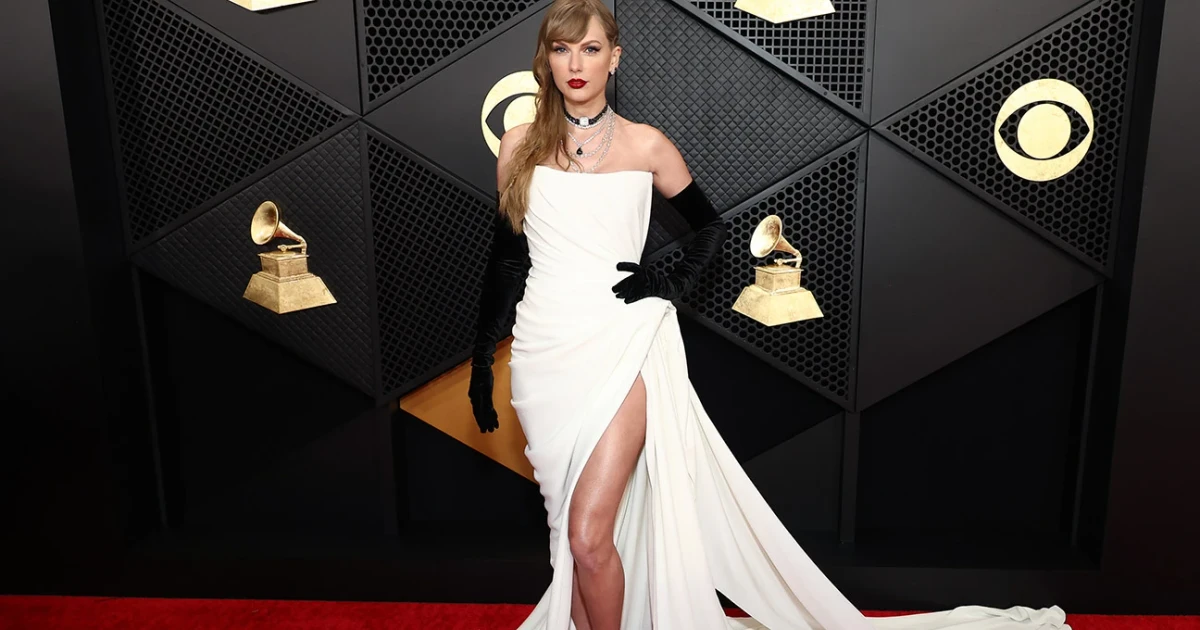
Taylor Swift and Travis Kelce turned Madison Square Garden into the stage for a high-wattage fashion event on Friday, July 3, 2026, with both stars wearing Christian Dior Haute Couture looks designed by Jonathan Anderson. Swift’s gown, a bespoke Dior creation, placed one of the year’s most watched celebrity weddings squarely inside the machinery of luxury branding, where sports, entertainment, and fashion converged under one roof in New York City.
Anderson’s role gave the ceremony immediate industry weight. The Dior creative director, who also founded JW Anderson and previously led Loewe, designed both the bride’s and groom’s wedding looks in close collaboration with the couple. For Anderson, the assignment marked a notable bridal moment: coverage around the wedding framed it as his first couture bridal gown for a major celebrity, a rare entry point for a designer whose public image has been built more on celebrity dressing and broad creative control across Dior’s women’s, men’s, and haute couture collections.
The anticipation around the dress had been building for days before the ceremony. Fashion press and entertainment outlets had identified Dior by Jonathan Anderson as the leading rumor ahead of the wedding, a sign of how quickly a private milestone became a public fashion contest. The scale of the event intensified that attention. Reports in advance of the ceremony said the celebration was expected to draw more than 1,000 guests, a figure that helped turn the wedding into a media spectacle rather than a single-night personal affair.
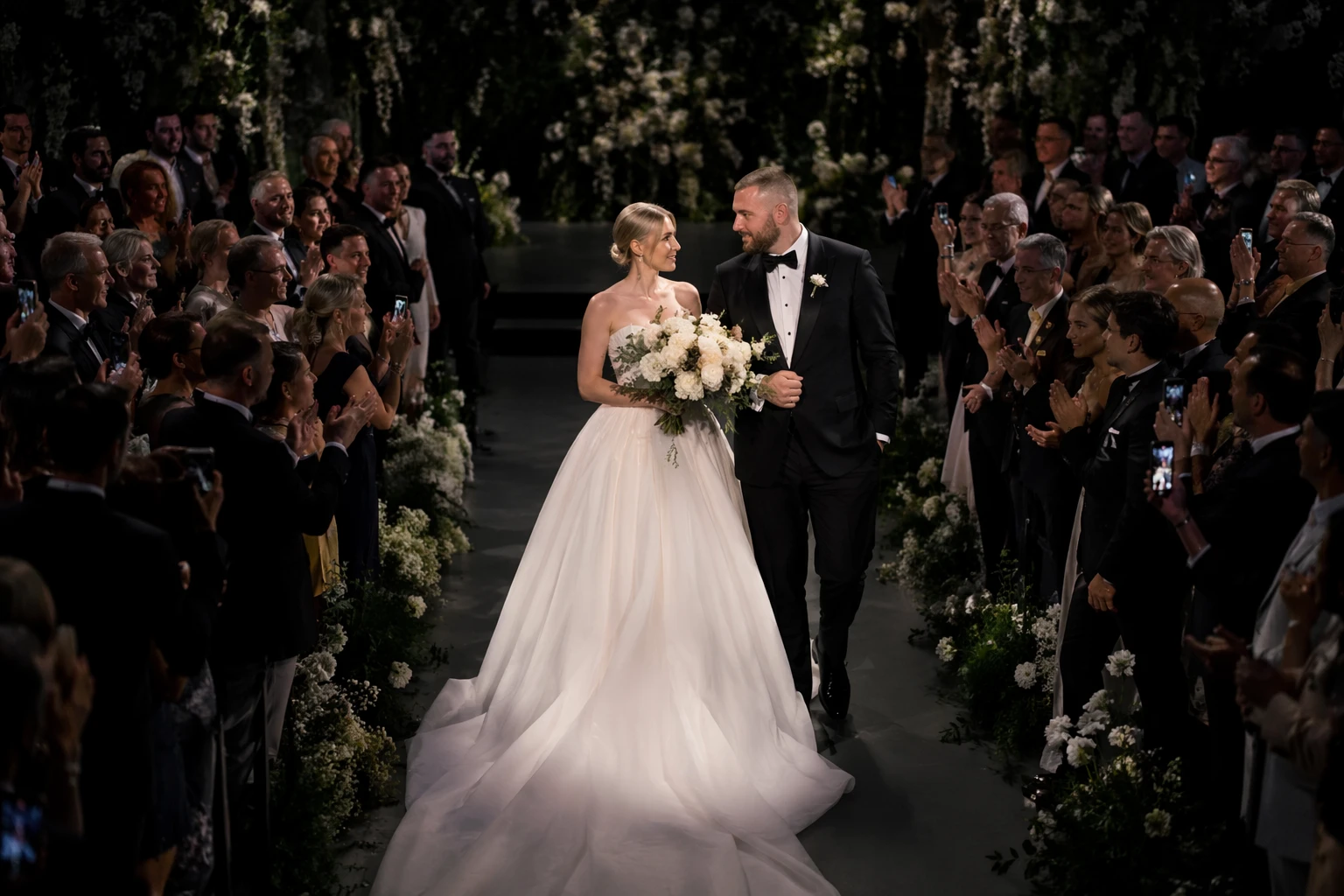
Madison Square Garden also amplified the moment on its own channels, adding another layer to a ceremony already amplified by Swift’s global fan base and Kelce’s profile in professional football. That venue response showed how thoroughly celebrity weddings now travel through branded ecosystems: a designer name, a landmark arena, two famous partners, and a crowd large enough to make the event feel closer to a cultural production than a conventional reception. In this case, the dress was not just part of the story. It was the story’s commercial center.
Sources
- [1]nytimes.com
- [2]pagesix.com
- [3]usmagazine.com
- [4]vogue.com
- [5]usatoday.com
- [6]nbcnewyork.com
- [7]newser.com