Technology
Tech CEOs Halt Progress on Federal AI Executive Order
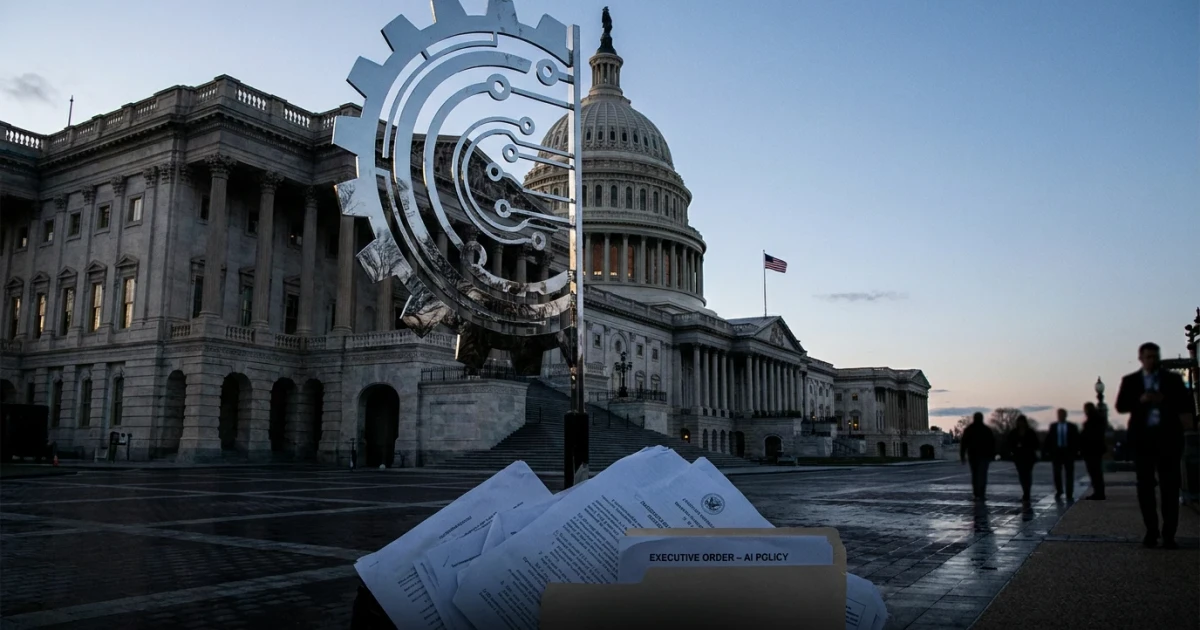
Major technology executives have effectively blocked a federal executive order intended to regulate artificial intelligence development and deployment, according to The Washington Post. This move highlights the growing influence of the tech industry in shaping US policy around emerging technologies, particularly as AI continues to transform sectors from healthcare to finance.
The Executive Order and Its Intent
The federal executive order, which was reportedly in advanced stages, aimed to establish clear guidelines and standards for the safe, secure, and trustworthy development of artificial intelligence. This would have included mandates for transparency in AI systems, risk assessment protocols, and requirements for ethical oversight by federal agencies and technology companies. The order was seen as a crucial step following years of debate over the potential risks and benefits of AI, including concerns about bias, privacy, and national security.
Industry Lobbying and Resistance
According to The Washington Post, tech CEOs mounted a strong resistance to the proposed executive order. Their efforts succeeded in halting its progress before it could be signed or implemented. This action underscores the power of Silicon Valley leaders to influence federal regulation through lobbying and direct engagement with policymakers.
- Lobbying by tech companies has increased significantly in recent years, with the industry spending millions to shape law and policy relating to artificial intelligence, privacy, and data security.
- Executives argued that stringent federal regulation could stifle innovation and put US companies at a competitive disadvantage globally.
Implications for AI Oversight and Public Trust
The blocking of the executive order raises questions about the future of AI regulation in the US. Without federal mandates, oversight remains fragmented, relying on voluntary industry standards such as the NIST AI Risk Management Framework. This framework provides guidance but lacks enforcement mechanisms, leaving gaps in accountability and public trust.
- Public opinion on AI regulation remains divided, with recent Pew Research Center data showing that many Americans favor stronger government oversight to mitigate risks.
- Industry leaders maintain that self-regulation is sufficient, but critics argue that without federal action, potential harms may go unchecked.
Analysis: Balancing Innovation and Accountability
The successful effort by tech CEOs to block the executive order reflects a broader tension between innovation and accountability. As AI technologies advance rapidly, policymakers are challenged to keep pace with industry developments while protecting public interests. The outcome signals that future attempts at federal regulation will likely face stiff opposition from powerful technology firms.
Moving forward, experts suggest that a combination of industry standards, stakeholder engagement, and incremental legislative action—such as the proposed Artificial Intelligence Advancement and Accountability Act of 2023—may be necessary to achieve meaningful oversight. For now, the US remains at a crossroads in its approach to governing artificial intelligence, with industry influence playing a decisive role in shaping the landscape.