Business
Tech giants’ AI spending boom ties the sector to interest rates
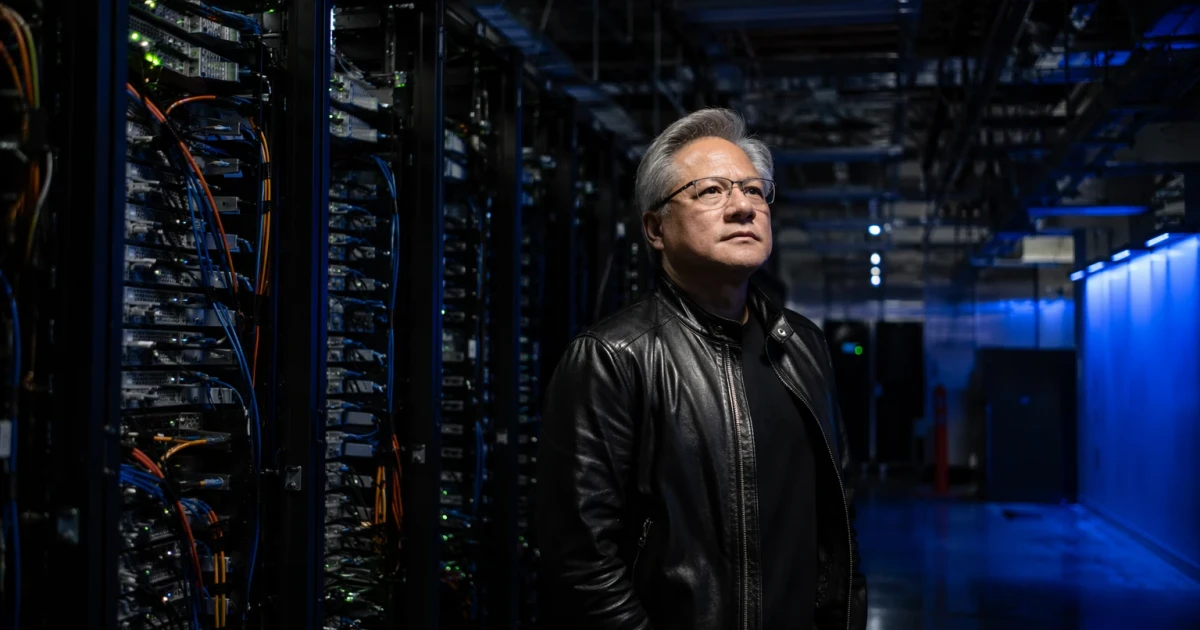
The AI boom is no longer just a software story. It is becoming a rates-and-credit story, as the biggest technology companies pour cash into data centers, servers, power systems and other infrastructure that increasingly has to be financed in the bond market.
Amazon, Alphabet, Microsoft and Meta are projected to spend a combined $750 billion this year, more than 80% above 2025, according to the latest industry estimates. That scale of investment is forcing a change in how investors value the sector: companies once prized for fortress-like balance sheets are now leaning more heavily on debt, which makes them more exposed to borrowing costs than they were when growth was funded mostly from internal cash flow.
Morgan Stanley estimates that AI-related global debt issuance will reach nearly $570 billion in 2026, up from nearly $236 billion already issued by May 31. The bank also expects hyperscaler capital spending to top $1 trillion in 2027, underscoring how quickly the buildout is moving from an earnings story to a financing story. The shift is broadening the investor base as well, with more issuance coming in non-U.S.-dollar markets.
That sensitivity showed up sharply at Oracle, where shares fell 12% after investors reacted to heavier AI spending and a ballooning debt load. Oracle has said it will raise more debt in fiscal 2027 after forecasting capital spending above Wall Street estimates, a warning sign that markets are increasingly rewarding discipline over scale when leverage rises too fast.
Even Nvidia, one of the biggest beneficiaries of the AI surge, tapped the debt market. The company sold $25 billion of investment-grade bonds on June 15, its first major bond sale in years, drawing strong demand and showing that the infrastructure race now reaches far beyond the traditional utilities and industrial companies that long depended on credit markets.
The policy backdrop matters just as much. The Federal Reserve held rates steady at its June 16-17 meeting, but officials left open the possibility of higher rates later in 2026. With the 10-year Treasury yield around 4.45%, every basis point matters more for companies financing long-lived projects that will not pay off overnight. Higher yields now affect not only smaller speculative tech names, but also the megacaps that once seemed insulated from borrowing stress.
The physical limits are becoming clearer too. Federal regulators moved in June to speed grid hookups for large energy users, including AI data centers, as power demand strains transmission systems and adds pressure to utility bills. For investors whose retirement accounts are exposed both to tech stocks and bond markets, the AI trade is increasingly shaped by the cost of money, the availability of electricity and the willingness of lenders to keep funding the buildout.
Sources
- [1]cnbc.com
- [2]msn.com
- [3]techtimes.com
- [4]apnews.com
- [5]eia.gov