Technology
Tech giants targeted teens during school hours, documents show
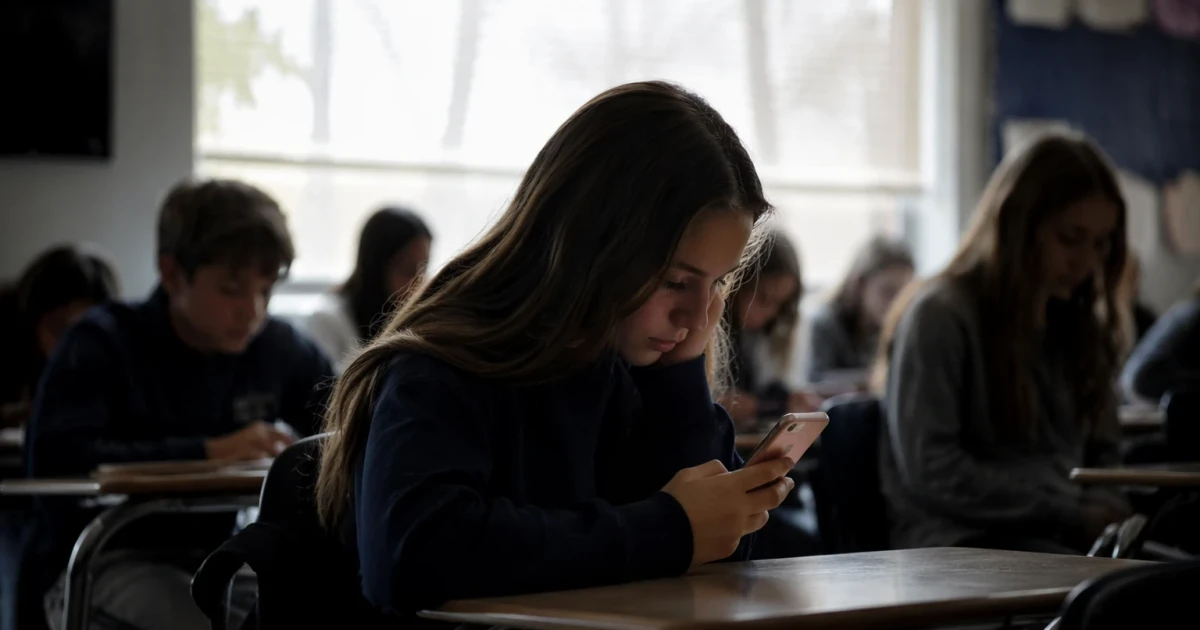
The school day became a target for some of the biggest names in social media, according to internal documents that schools say show how platforms worked to pull teenagers’ attention away from class. The tactics now sit at the center of lawsuits brought by more than 1,400 U.S. school districts against Meta, Snap, TikTok and YouTube, a fight that has already produced settlements by YouTube, Snap and TikTok in the first school-district case set for trial.
The documents describe a market built around interruption. Snap allegedly sent phone alerts to adolescents during school hours urging them to share what was happening in classrooms. Meta reportedly paid “teen ambassadors” to promote Instagram and hand out gifts to classmates. YouTube’s recommendation systems, meanwhile, surfaced non-school content during the school day, reinforcing what educators have long said was happening in plain sight: the classroom was being treated as another engagement channel.
That concern has only grown as the data on youth media use have sharpened. In its May 23, 2023 advisory, the U.S. Surgeon General said social media use was nearly universal among young people, with up to 95% of teenagers and 40% of children ages 8 to 12 using it. The advisory said there was not yet enough evidence to conclude social media was sufficiently safe for children and adolescents, especially during a period of rapid brain development.
The educational cost is visible inside schools. Common Sense Media reported in 2023 that 97% of 11- to 17-year-olds used their phones during the school day, most often for social media, YouTube and gaming. Separate Common Sense data found teens spend about 8 hours 56 minutes a day with media outside school or homework, a scale of consumption that leaves little doubt about how much competition teachers face for attention.
Teacher groups have grown more forceful as the disruption spread. The National Education Association said in February 2024 that social media creates a continuously evolving challenge in educational settings. The American Federation of Teachers said in July 2023 it was losing patience with apps that were affecting classrooms and contributing to mental-health problems and misbehavior.
Policy has started to catch up. By late 2025, more than 30 states had enacted some form of school cellphone restriction or related policy, a sign that lawmakers and districts are no longer treating the problem as a matter of individual discipline alone. Newer Pew Research Center findings, based on surveys of 1,458 U.S. teens and parents from Sept. 25 to Oct. 9, 2025, also underscore that teens’ experiences differ across TikTok, Instagram and Snapchat.
What the documents add is evidence of intent. Schools have argued that the problem was not just that phones were present in class, but that platforms were engineered to keep students looking, clicking and posting when they should have been learning.
Sources
- [1]nytimes.com
- [2]reuters.com
- [3]hhs.gov
- [4]pewresearch.org
- [5]commonsensemedia.org
- [6]k12dive.com
- [7]nea.org
- [8]nbcnews.com