Technology
Tech recycling company tackles record surge in e-waste

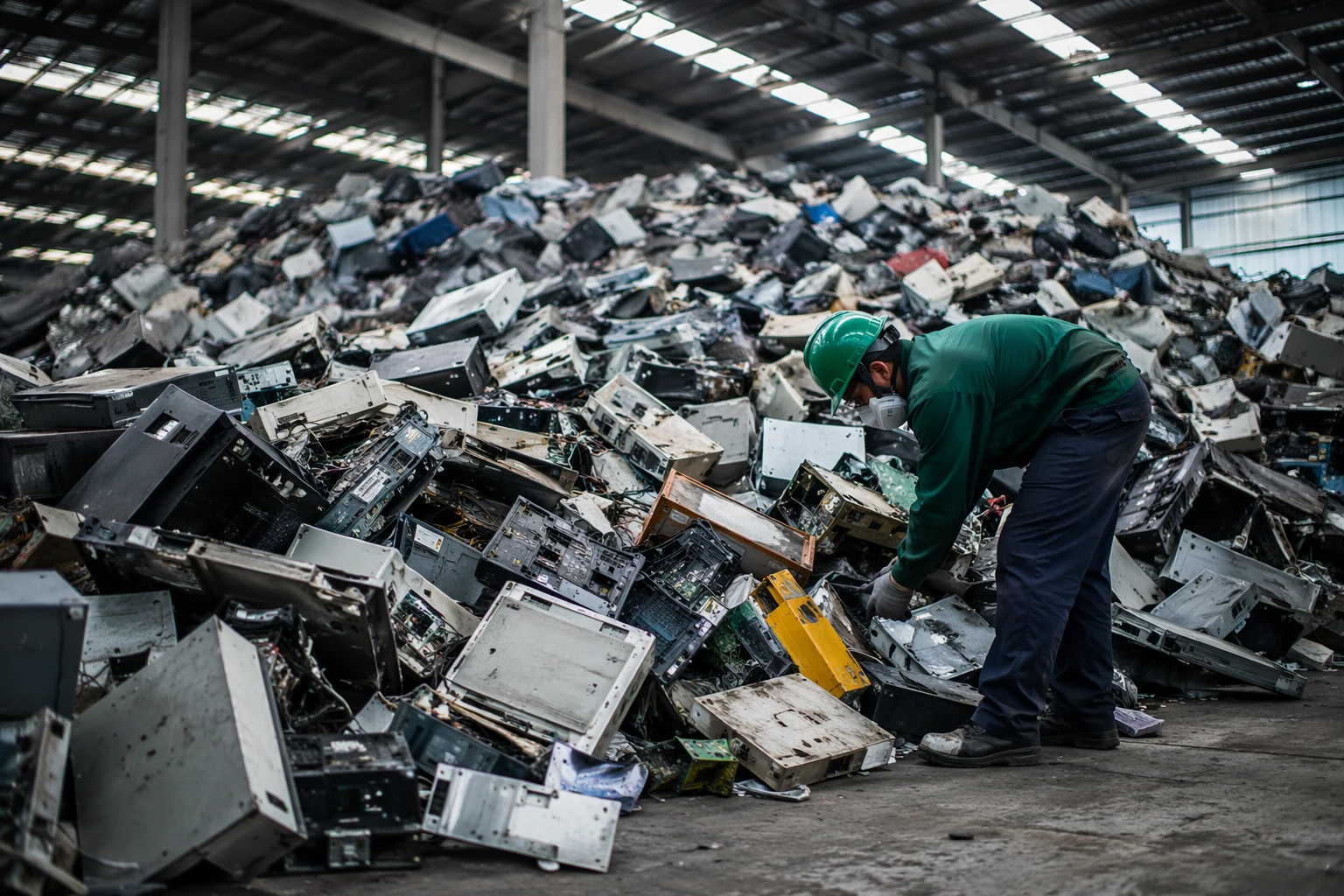
Evyn Moon visited ERI’s New Jersey facility as the world hit a record 62 million tonnes of e-waste in 2022, a volume that would fill about 1.55 million 40-tonne trucks. The plant sits inside a fast-growing industry trying to turn discarded phones, laptops and other devices into a steadier supply of recoverable materials.
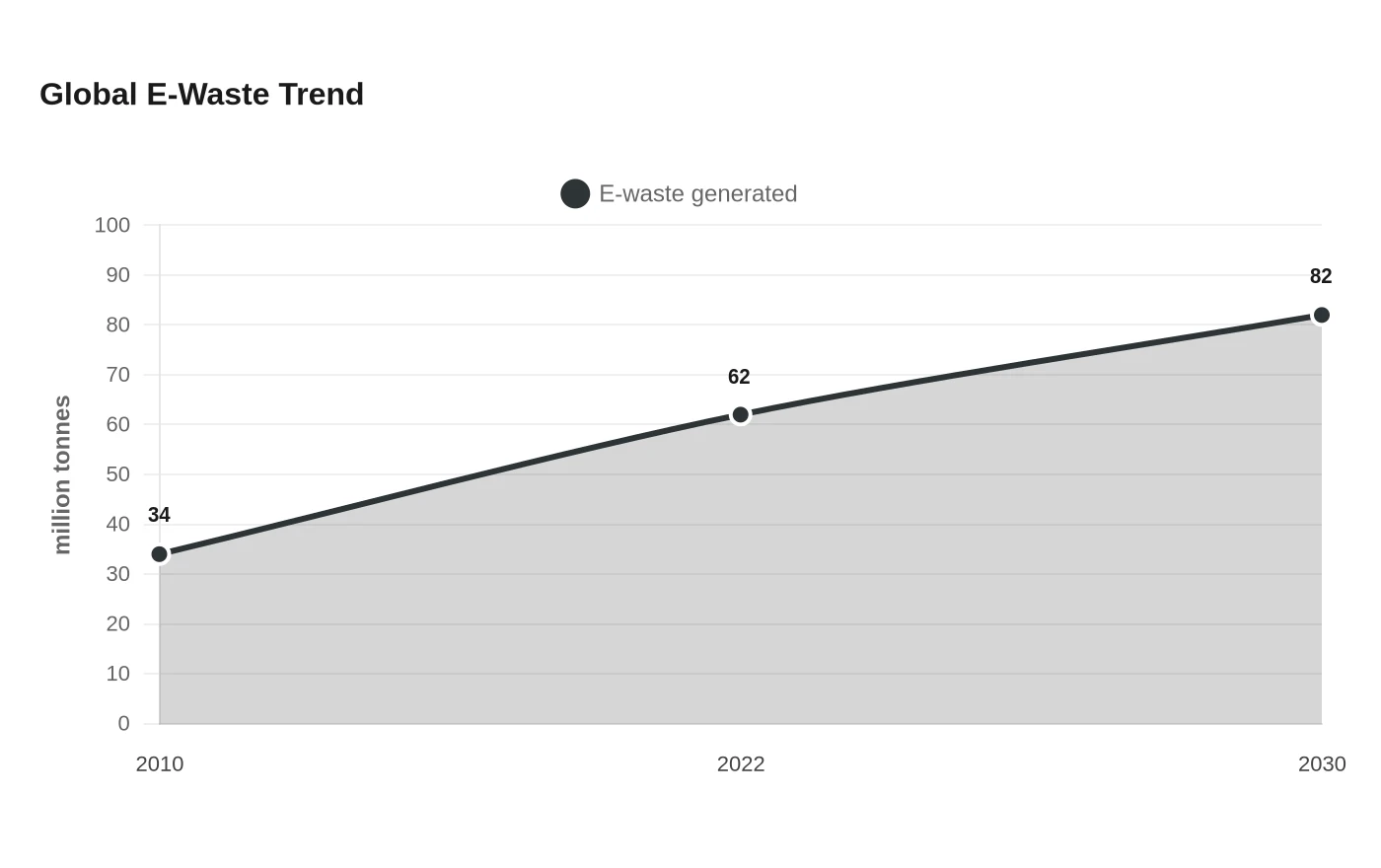
The scale of the waste stream is outrunning the systems built to handle it. The United Nations Institute for Training and Research, the International Telecommunication Union and SCYCLE said global e-waste generation rose 82% from 2010 to 2022, climbing from 34 million tonnes to 62 million tonnes. Over the same period, documented recycling did not keep pace. Only 22.3% of the 2022 total was formally collected and recycled in an environmentally sound way, and the monitor warned that e-waste generation is rising five times faster than documented recycling.
That gap has a clear economic cost. The monitor put the value of recoverable natural resources left unaccounted for in 2022 at about US$62 billion. It also said only about 1% of rare earth element demand is currently met by e-waste recycling, underscoring how little of the critical-materials market is being fed by discarded electronics. The UN projects the total could climb to 82 million tonnes by 2030 if current trends continue.
ERI has positioned itself in that bottleneck. John Shegerian has said responsible recycling is critical amid AI, innovation and rising demand for rare earth materials, and ERI says it works with more than 70 manufacturers and retailers. That business model depends on a chain that starts long before material reaches a shredder or sorting line, because most value is lost when devices are stored, thrown away improperly or exported outside formal collection channels.
The economics explain why the recycling plant matters as much as the landfill. The highest-value outputs are the materials that can be pulled back into manufacturing, while the least recoverable electronics are often the ones that never enter an accountable system at all. At a moment when old devices are piling up faster than formal recycling can absorb them, the constraint is no longer whether the technology exists to process e-waste, but whether enough of it is being collected in the first place.
Sources
- [1]cbsnews.com
- [2]unitar.org
- [3]itu.int
- [4]aol.com
- [5]streetinsider.com
- [6]sheffield.veolia.co.uk
- [7]aspire-sheffield.co.uk