Business
Tech stocks fall as Wall Street demands proof AI spending pays off
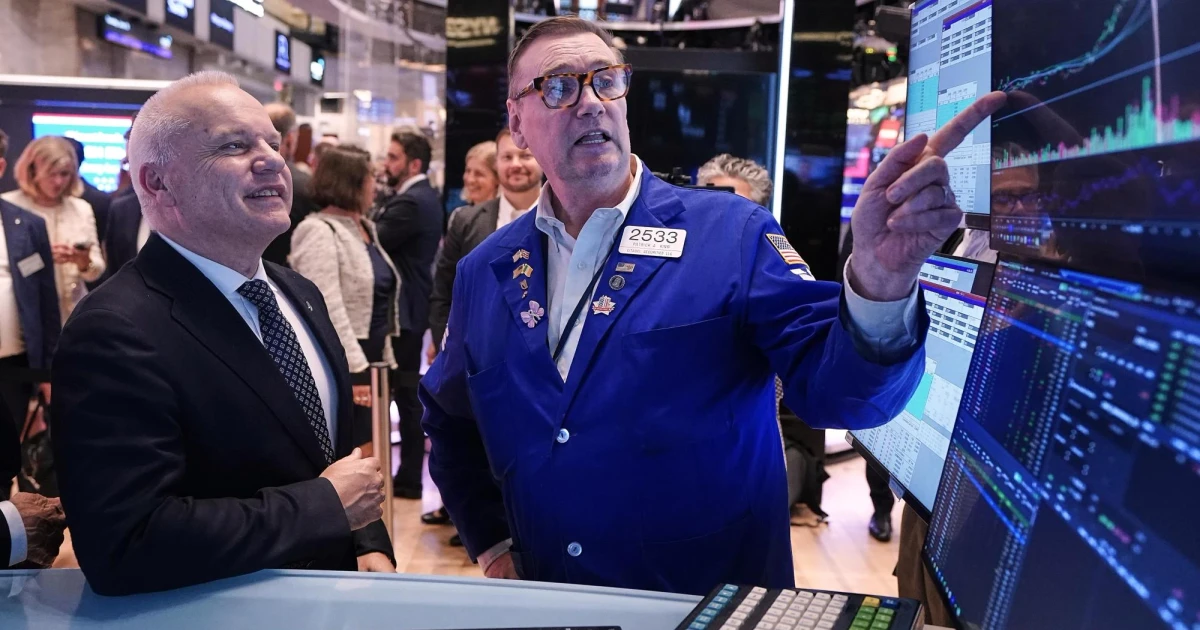
Wall Street’s patience with artificial intelligence spending is thinning. Nvidia, Alphabet and other technology stocks fell as investors shifted from rewarding AI outlays to demanding evidence that those billions will produce real earnings, customer demand and measurable returns.
The selloff deepened into a second day on Tuesday, June 23, after a weak Monday session. The S&P 500 fell 0.37% to 7,472.79 on Monday, June 22, while the Nasdaq Composite dropped 1.32% to 26,166.60. In early Tuesday trading, the Nasdaq was down 2.4%, with Nvidia off 3.4% and Broadcom down 2.4%, underscoring how quickly the mood turned against the market’s biggest AI winners.
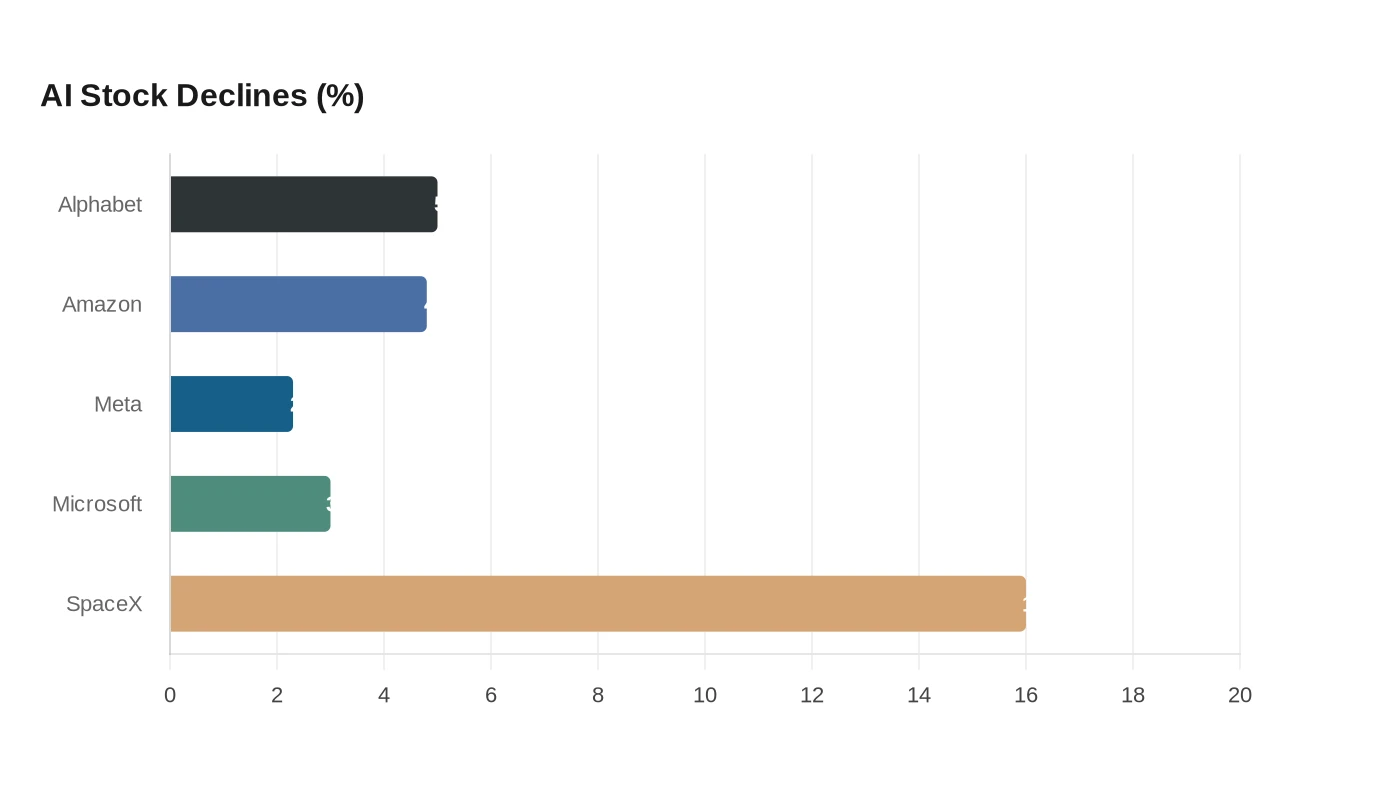
Alphabet fell 5% on Monday, a move tied to concerns about AI talent departures. Amazon lost 4.8%, Meta Platforms declined 2.3% and Microsoft slid 3%, while SpaceX sank 16% and then fell again Tuesday, extending a four-session slide. Investors have also started looking harder at valuation, especially for names that had been bid up on the assumption that AI investment would keep accelerating revenue growth.
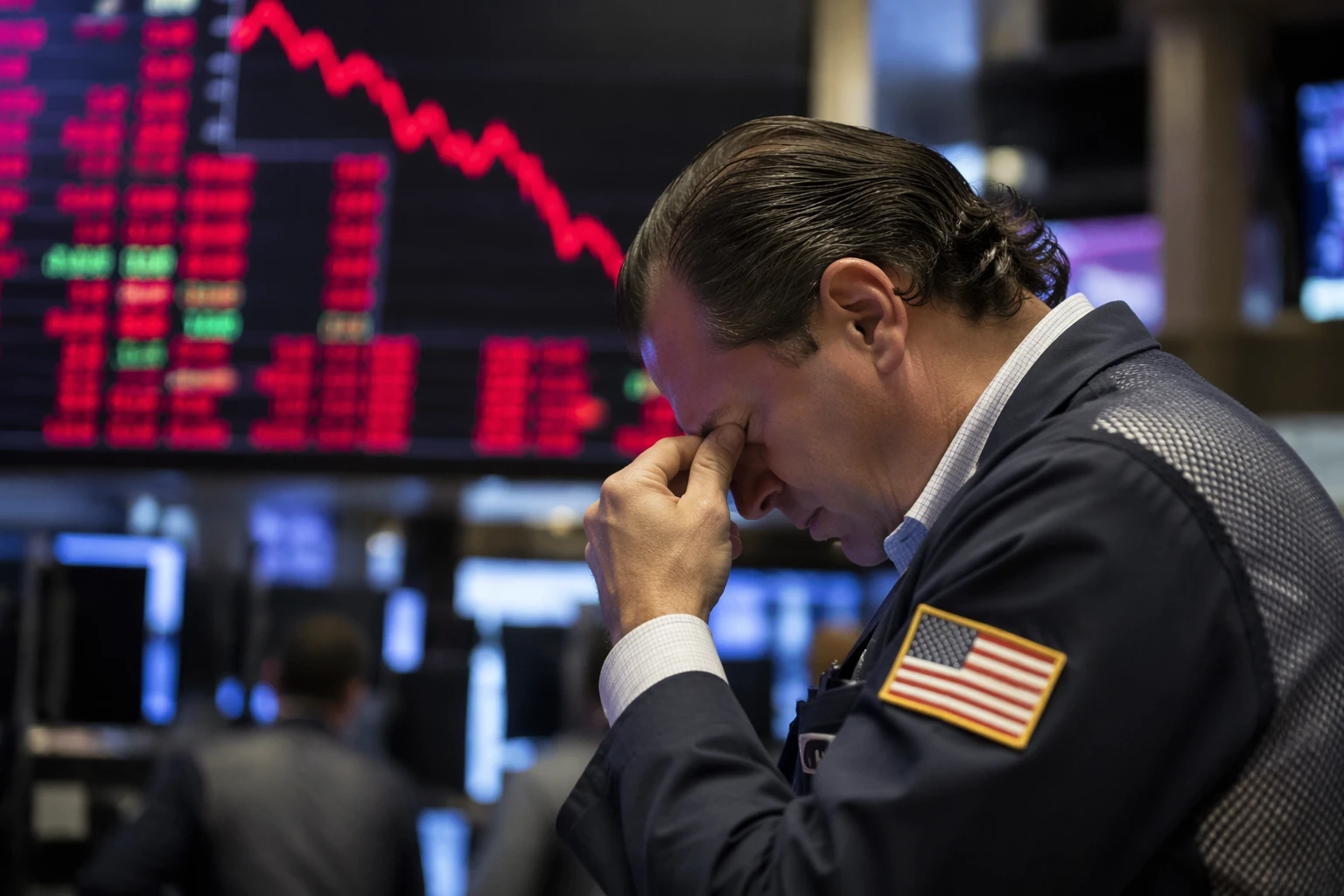
Nigel Green, chief executive of deVere Group, captured the shift bluntly. He said the market had long treated AI spending as “unquestionably positive,” but investors are now demanding proof that “unprecedented spending” will translate into profits. That change matters because Wall Street spent months pushing tech stocks to record highs on the belief that AI infrastructure spending would eventually lift margins and earnings across the sector.
The pressure was not confined to single stocks. Reuters reported that Nasdaq futures fell 2% as investors worried about debt-funded corporate AI spending and the prospect of rate hikes. Traders were also bracing for a more hawkish Federal Reserve and for Thursday’s release of the May personal consumption expenditures price index, the Fed’s preferred inflation gauge.
The broader reassessment reflects how large the AI capital spending boom has become. CNBC reported in February that combined AI spending by the four hyperscalers was approaching $700 billion in 2026, a figure that helps explain why investors are now more sensitive to the pace of monetization. When spending rises that fast, the market starts asking a harder question: how soon does the cash come back?
Tom Hainlin of U.S. Bank Asset Management Group said large-cap U.S. stocks still had favorable conditions, even with the recent pressure. But for retirement savers and index-fund investors, the message is clear. When megacaps such as Nvidia, Microsoft and Alphabet stumble, the weakness reaches far beyond tech traders and into the broad benchmarks that many portfolios rely on.
The selloff suggests Wall Street is entering a more demanding phase of the AI trade, one in which promise alone is no longer enough. Proof of profit now has to arrive on schedule.
Sources
- [1]cbsnews.com
- [2]cnbc.com
- [3]msn.com