Technology
Tech Workers Voice Fears Over AI’s Rapid Growth
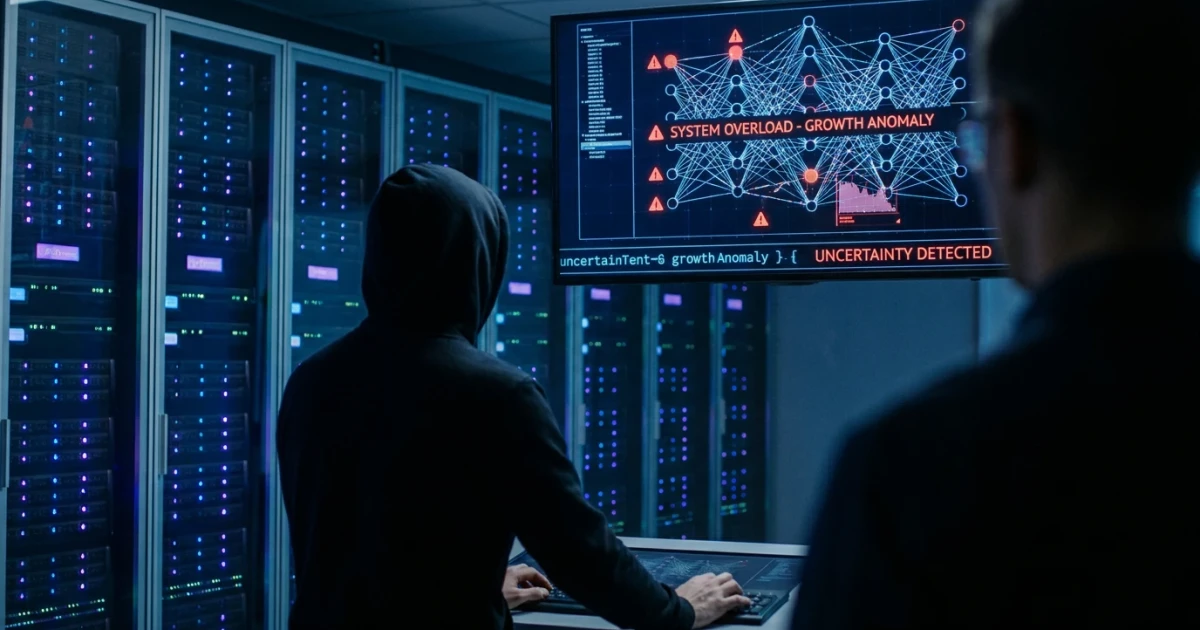
As artificial intelligence continues to reshape industries, a growing number of tech workers developing these systems are voicing deep concerns about the very technologies they help create. Reports from both IPS Journal and The New York Times highlight an emerging anxiety among AI engineers, researchers, and product managers, many of whom are worried about the long-term implications of their work.
Growing Unease Among AI Developers
Both IPS Journal and The New York Times detail how those at the forefront of AI development are increasingly concerned about the societal, ethical, and employment impacts of artificial intelligence. While AI’s potential benefits—such as improved productivity, enhanced healthcare diagnostics, and advanced automation—are widely acknowledged, the people building these systems are expressing doubt that the technology is being deployed responsibly or safely.
- According to the sources, some workers even fear AI could be misused for surveillance, disinformation, or autonomous weaponry.
- There is apprehension about the lack of robust regulations and the speed at which AI is advancing, potentially outpacing society’s ability to respond to its risks.
Concerns About Job Loss and Social Impact
Many tech workers are particularly worried about AI’s impact on jobs—even their own. The New York Times notes that some engineers who help design automation tools are anxious that their efforts might ultimately contribute to the displacement of workers across a range of industries. This aligns with projections from the World Economic Forum’s Future of Jobs Report 2023, which anticipates significant disruption in the global job market as AI adoption increases.
- Some fear that AI could automate not only routine tasks but also complex cognitive work, putting even highly skilled tech jobs at risk.
- These anxieties are not unfounded: the Oxford Martin School’s research suggests that up to 47% of U.S. jobs could be susceptible to automation in the coming decades.
Ethics, Responsibility, and Lack of Oversight
Another recurring theme in both reports is the concern over ethical responsibility. Many tech workers are pushing for stronger safeguards, transparent policies, and meaningful oversight. IPS Journal points out that some employees have even organized advocacy groups within their companies or participated in internal protests to slow down or halt the deployment of AI systems they view as dangerous.
However, efforts to address these concerns are often stymied by corporate interests or the competitive race to lead in AI innovation. Workers describe feeling conflicted—proud of technological achievements yet worried about the broader consequences. The New York Times highlights that some developers have begun lobbying for the adoption of international standards, such as the OECD AI Principles, to guide responsible AI development and deployment.
Public Trust and Industry Response
These internal anxieties mirror broader public skepticism. Recent data from the Pew Research Center shows that public trust in AI remains low, with a majority of Americans expressing concern over privacy, security, and employment risks associated with artificial intelligence. The 2024 Edelman Trust Barometer similarly found that trust in the technology sector is eroding as public awareness of AI’s risks grows.
In response, some tech companies are beginning to introduce ethics boards, release transparency reports, and invite third-party audits. However, workers quoted in both sources remain skeptical that these measures go far enough to address their core concerns.
Looking Ahead: Calls for Caution and Collaboration
As the pace of AI development accelerates, the disconnect between the industry’s ambitions and the caution expressed by its own workforce is becoming more apparent. Both IPS Journal and The New York Times agree that tech workers’ fears are not simply theoretical—they reflect real challenges that require industry-wide dialogue, robust regulation, and ongoing public engagement.
For now, the people closest to the technology are urging a more measured approach to AI deployment, hoping that their warnings will prompt meaningful change before the technology’s risks outweigh its rewards.