US News
Teen describes East River seaplane emergency landing in Manhattan
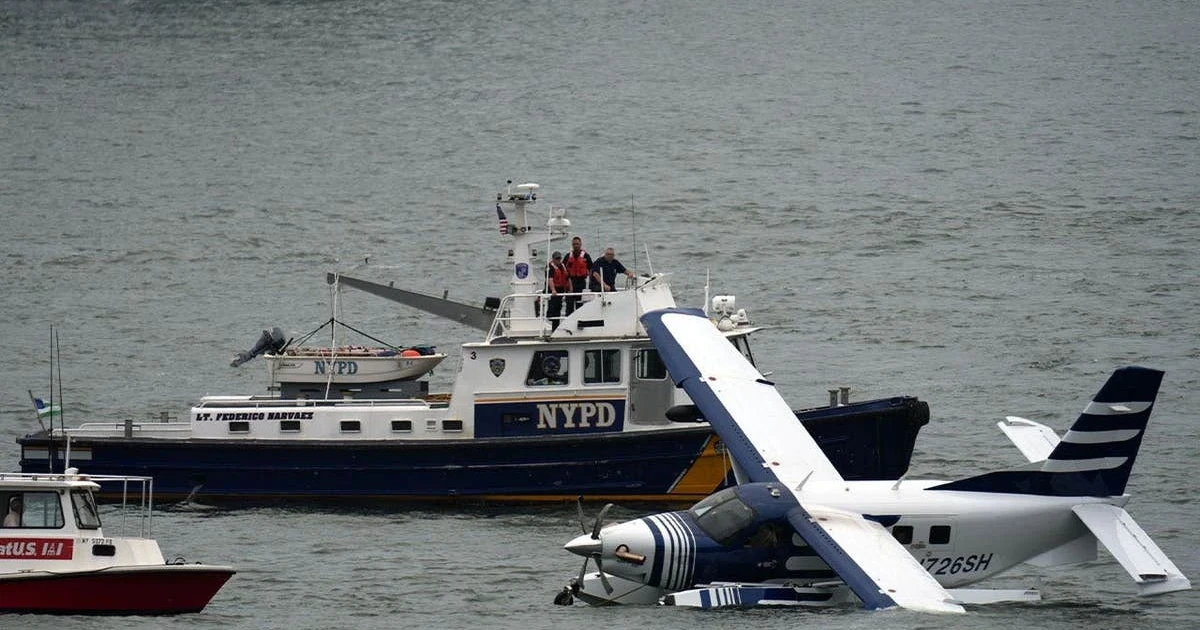
Eight passengers were pulled from the East River after a Kodiak 100 seaplane made a hard landing near Manhattan’s East 23rd Street waterfront, a narrow corridor where commuter and sightseeing flights share space over one of the city’s most crowded waterways.
The Federal Aviation Administration said the pilot brought the aircraft down in the East River near Brooklyn and New York City at about noon local time on Sunday, July 5, snapping a wing strut. The agency said it will investigate the emergency, which unfolded close to NY Skyport at East 23rd Street and FDR Drive, where New York Skyports Seaplane Base sits at the foot of East 23rd Street on the East River.
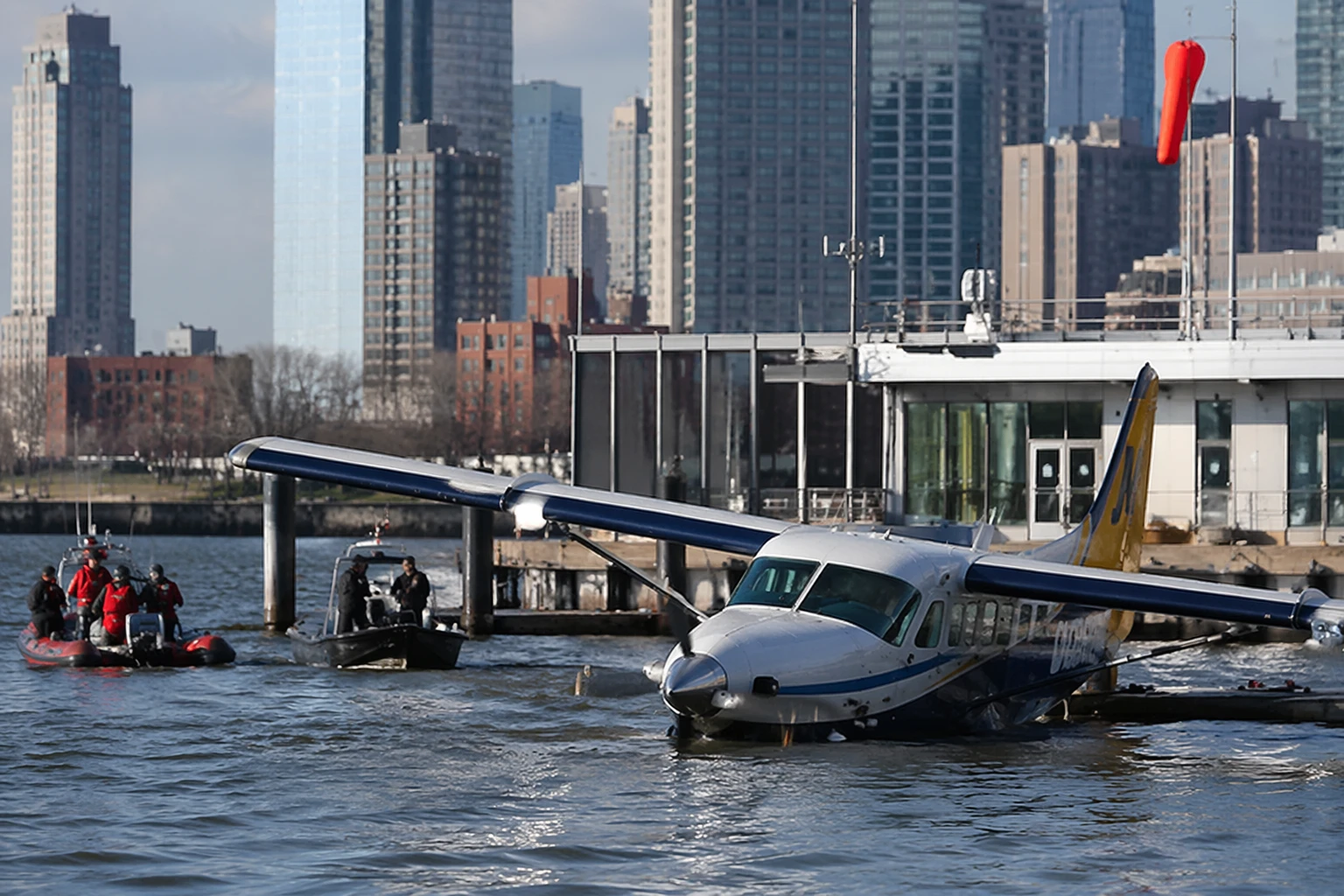
FDNY units rescued all eight people aboard. At least two passengers suffered minor injuries and were treated by FDNY emergency medical technicians, then the plane was towed back to a dock after the incident. A 16-year-old girl aboard the flight is describing the ordeal, adding a human voice to a case that will now be examined for how a seaplane emergency was handled in such a confined urban setting.
Air traffic control recordings captured the pilot issuing a mayday call before the landing, and another aircraft nearby told controllers that everyone had been removed from the plane and that the wing strut was snapped. Those details point to a rapid response in a route that leaves little room for error: New York Skyports is the city’s only public seaplane terminal, and its operations run directly through the East River beside dense Manhattan traffic, bridges and shoreline activity.
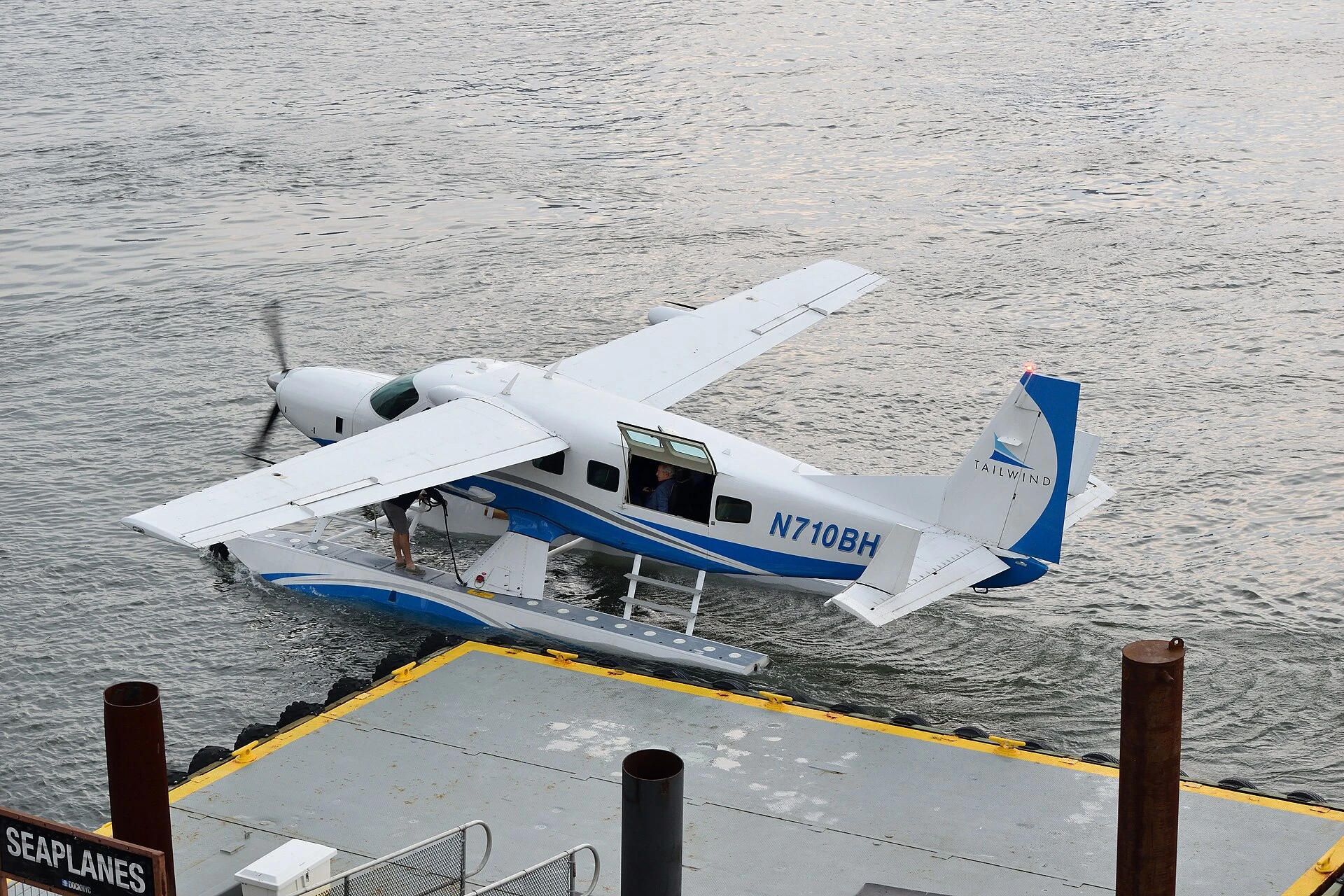
The emergency landing also raised immediate questions about weather and risk management over the river. ABC7 New York reported that conditions were not ideal Sunday, a reminder that even short seaplane hops can become hazardous when wind, water and urban congestion align. For federal investigators, the hard landing, the broken wing strut and the mayday transmission will be central as they assess what went wrong above one of New York’s most sensitive air corridors.
Sources
- [1]cbsnews.com
- [2]faa.gov
- [3]abc7ny.com
- [4]goodmorningamerica.com