World
Teen survivor mourns friends after Venezuela quakes ravage communities
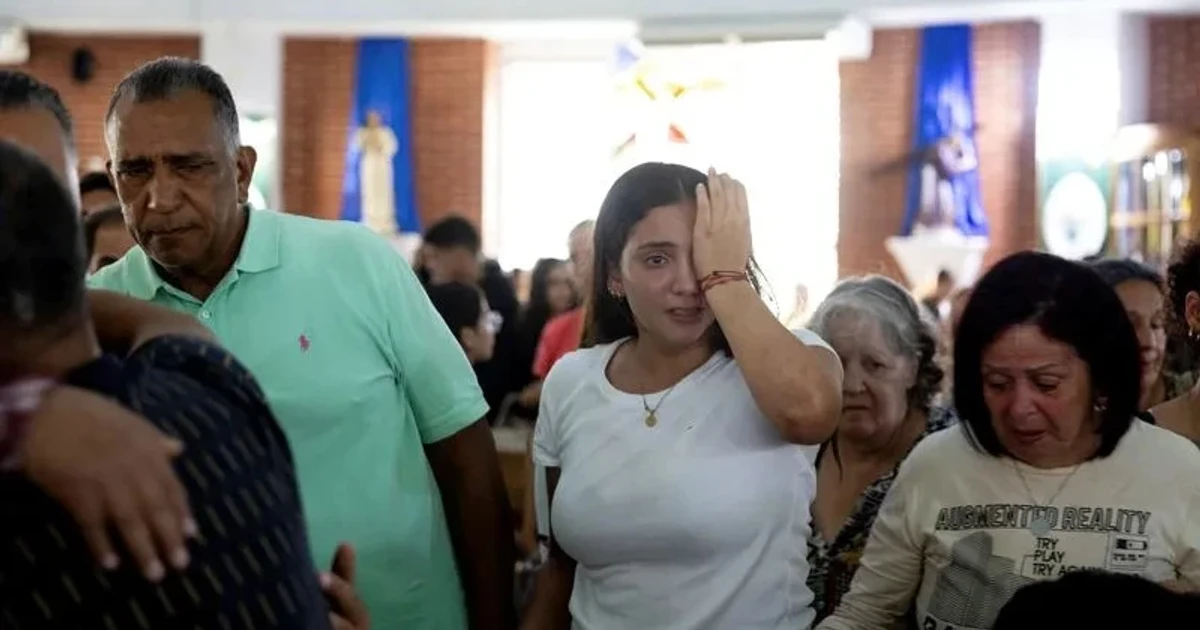
Maria Alejandra Sanz spent 17 hours trapped beneath the rubble of her collapsed apartment building in La Guaira after the June 24 earthquakes, drinking her own urine to stay alive and fearing the rest of her dance troupe had been killed. The 17-year-old survived, but the loss around her kept widening when she later attended a memorial service for one of her friends at Maria Auxiliadora Church in Caracas on July 7.
Her story has become a measure of how deeply the quakes cut into children’s lives. Sanz was not just pulled from wreckage, she emerged into a country where friends, classmates and neighbors are still being counted among the dead, injured and displaced. Venezuelan National Assembly president Jorge Rodriguez later put the death toll at 4,333, with 16,740 injured, after an earlier count of 3,811 dead as rescue and recovery work continued.
The physical damage was vast. Officials counted 190 collapsed buildings and 856 others damaged, and about 18,000 people were left without homes. Families have been sheltering in schools, on sidewalks, and in parks and plazas, a sign that the quake response has not yet provided enough stable housing to clear the pressure on communities already hit hardest. Schools meant for classes have become makeshift shelter space instead of safe places for children to return to.
Aid has begun to reach the affected areas, but the scale remains far short of need. The United Nations launched an appeal for roughly $300 million to help 1.3 million people in urgent need. In La Guaira, mobile kitchens, clinics and field hospitals have been set up in public spaces as victims continue to flood nonprofit relief services.
Doctors in the region are also seeing the secondary health crisis deepen. They have reported more skin conditions, diarrheal disease and requests for chronic medications, including treatment for diabetes and high blood pressure, in communities where poor water and sanitation conditions were already a problem before the earthquakes.
For teenagers like Sanz, the disaster has become both immediate and lingering. She survived the building collapse itself, but the memorial at Maria Auxiliadora Church showed how the trauma has spread beyond rescue into grief, displacement and an uncertain recovery for children growing up in the quake zone.
Sources
- [1]news.google.com
- [2]ca.news.yahoo.com
- [3]abcnews.com
- [4]rte.ie
- [5]abc.net.au