Technology
Teens describe growing up and learning in the age of AI
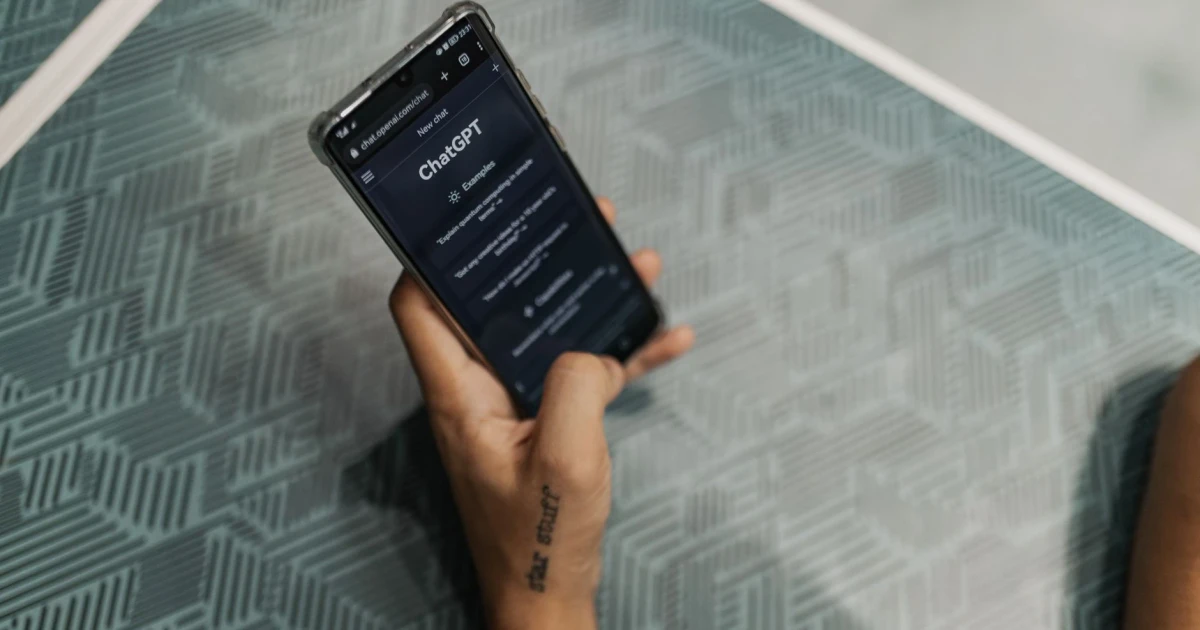
AI has become ordinary enough to blend into homework and private life, but not ordinary enough to inspire trust. The seven teenagers NPR spoke with across the country sit in the middle of that contradiction: they describe a tool that is useful, tempting, and sometimes unsettling. National surveys show the same split, with just over half of U.S. teens saying they have used chatbots for schoolwork and 12% saying they have used them for emotional support.
AI in the backpack, not just the classroom
College Board research published in October 2025 shows how quickly generative AI moved into school routines. The share of high school students reporting GenAI use for schoolwork rose from 79% in January 2025 to 84% in May 2025, and 69% of students who used it for assignments and homework said ChatGPT was their tool of choice. That is not a fringe habit; it is becoming part of the default workflow for essays, problem sets, and quick explanations.
The seven teens’ responses match that pattern of normalization. Their use is often pragmatic rather than ideological: AI can help them start a draft, untangle a hard concept, or save time when deadlines pile up. At the same time, the national data show that convenience has not translated into confidence. College Board found that 50% of students neither agreed nor disagreed that the benefits of AI are greater than the risks, a sign that many are still weighing whether the tool is helping them learn or simply helping them finish.
Parents are split too, which matters because teen habits are shaped at home as well as in school. College Board found that 57% of parents of high school students agreed it is better for students to use GenAI for schoolwork than not to. That leaves a large share of families in a more cautious place, trying to decide whether AI is a study aid, a shortcut, or both.
The worry is not only cheating, but reality itself
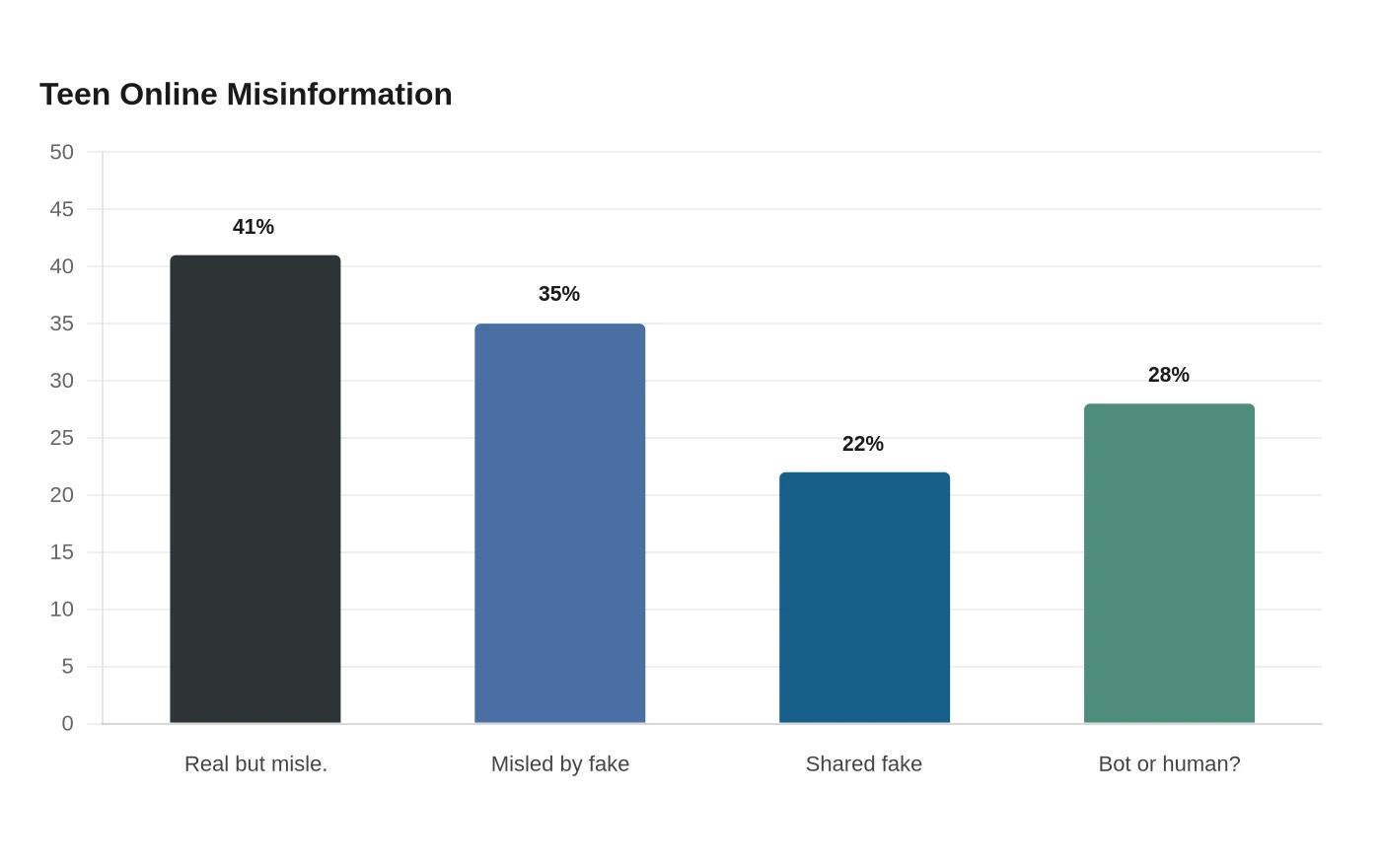
The sharpest anxiety around teen AI use is not limited to plagiarism. Common Sense Media’s 2025 research shows how easily young people can lose track of what is real online: 41% of teens were aware of seeing images or videos that were real but misleading, 35% said they had been misled by fake content online, 22% had shared content later learned to be fake, and 28% had wondered whether they were talking to a chatbot or a human.
Those numbers help explain why teens’ reactions to AI are mixed rather than purely enthusiastic. When falsehoods can look polished and authoritative, the burden shifts onto young users to verify, compare, and second-guess what they see. That is a heavy expectation for adolescents who are already managing school pressure, social life, and constant screen time. It also exposes a policy gap: schools are asking students to use digital tools in a media environment that is already saturated with deception, but instruction on verification and judgment often lags behind the technology.
The public health angle is plain. If teens cannot reliably tell whether a video is edited or whether a person is a bot, then misinformation becomes a daily stressor, not an occasional mistake. That has consequences for trust, for learning, and for the social bonds that keep school communities functioning.
When AI starts to look like support
The most sensitive finding is that AI is already being used for mental health advice. A June 1, 2026 JAMA Pediatrics study found that 19.2% of U.S. adolescents and young adults reported using AI chatbots for mental health advice in 2025, and 91.7% of those users said the advice was somewhat or very helpful. The same study found that most of those young people told no one.
That combination matters. A teen may be using a chatbot not just for homework, but for reassurance, coping strategies, or guidance during a stressful moment, and adults may never know it is happening. For families, schools, and clinicians, that creates a blind spot. For public health, it raises a familiar question: when a young person seeks support in a private digital channel instead of with a trusted adult or trained professional, who notices the difference, and who is responsible when the advice falls short?
The broader implication is not that every chatbot exchange is harmful. It is that these tools can slip into the role of informal support without the safeguards that surround counseling, primary care, or school-based mental health services. That gap is especially important for students who already face barriers to care, whether because of cost, waitlists, stigma, or limited access to clinicians.
A warning from the social media era is already in the background
The U.S. Surgeon General has already warned that social media is deeply embedded in teen life, with up to 95% of young people ages 13-17 using a platform. The advisory says nearly two thirds of teenagers use social media every day and one third do so almost constantly, and it notes that teens who spend more than 3 hours a day on social media face double the risk of mental health problems, including symptoms of depression and anxiety. That history matters because it shows how slowly policy tends to catch up once a technology becomes routine.
AI is now following a similar path. Young people are using it faster than schools can write rules, faster than parents can decide how much supervision is realistic, and faster than health systems can determine where the boundary lies between convenience and care. The seven teenagers at the center of this story are not unusually excited or unusually alarmed. They are doing what their peers across the country are already doing: trying to learn, communicate, and get through the day with a tool that feels both useful and unfinished.
What their answers and the national surveys show is a generation growing up inside an AI system that is already here, while the adults around them are still deciding how to govern it.
Sources
- [1]npr.org
- [2]pewresearch.org
- [3]research.collegeboard.org
- [4]commonsensemedia.org
- [5]hhs.gov
- [6]jamanetwork.com