Technology
Teens Express Growing Worries About AI Chatbot Attachment
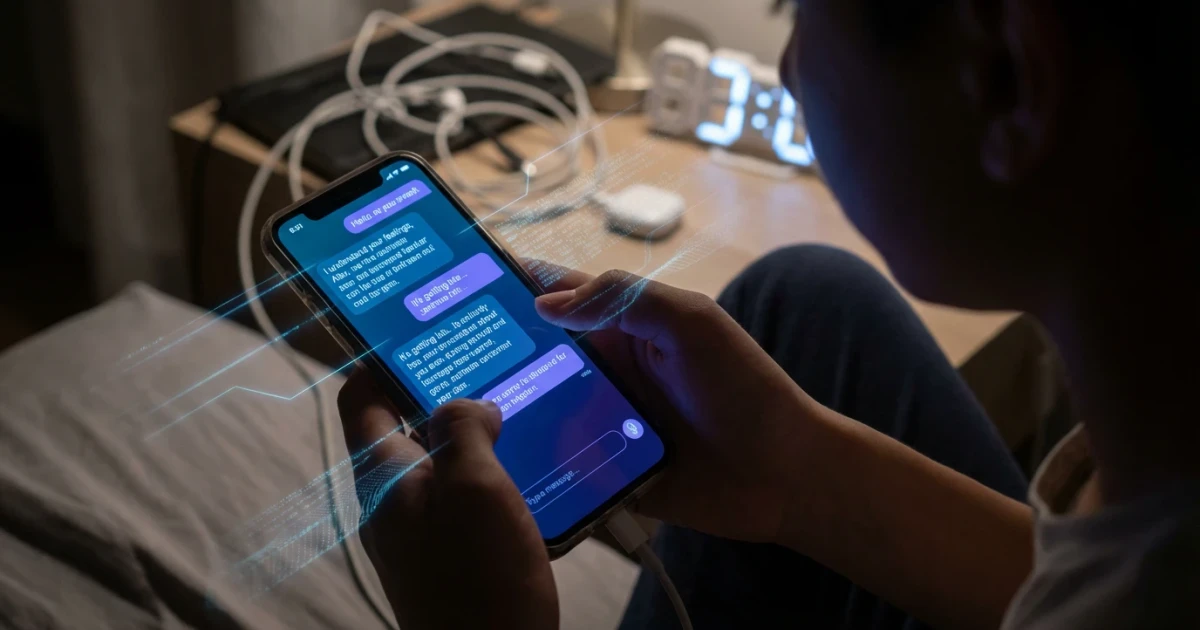
AI chatbots have become a familiar presence in the lives of teenagers, but a rising chorus of young people are voicing concerns about how these digital companions may be shaping their emotional wellbeing and social habits. Recently, Drexel highlighted that teens are increasingly worried about the depth of their attachment to AI chatbots, reflecting a wider anxiety about the intersection of technology and mental health among youth.
AI Chatbots: From Curiosity to Concern
AI-powered chatbots, which use sophisticated language models to simulate conversation and provide information or companionship, have surged in popularity among adolescents. As these tools become more accessible through smartphones and social media platforms, teens report using them for a variety of reasons, from academic help to emotional support. However, alongside enthusiasm, there is an emerging sense of unease.
Youth are beginning to question how these digital interactions might affect their digital wellbeing. Concerns range from the potential for social withdrawal to fears of becoming emotionally dependent on technology. The Drexel piece underlines that teens themselves are initiating these conversations, indicating a shift in self-awareness about their technology use.
Mental Health and Technology: What the Data Shows
Research from the Pew Research Center reveals that the majority of U.S. teens regularly use some form of AI or digital assistant. While many teens report positive experiences, such as feeling supported or understood, a significant share also express worries about oversharing personal information, privacy, and the risk of becoming too attached to non-human entities.
- In a Common Sense Media survey, nearly 38% of teens said they had interacted with an AI chatbot in the past year.
- About 27% of those teens expressed concern that they were "talking to chatbots more than real people," signaling a growing unease about the impact on real-world relationships.
- According to the CDC's Youth Risk Behavior Surveillance System, increased screen time, including time spent with AI, is correlated with higher reports of loneliness and anxiety among adolescents.
This aligns with Drexel’s reporting that teens are now not only aware of these potential risks but are taking steps to discuss or mitigate their digital attachments.
Why Are Teens Forming Attachments to Chatbots?
Experts cited in analysis from the American Psychological Association suggest that teens are drawn to chatbots for immediate feedback, nonjudgmental conversation, and 24/7 availability—traits that can be both helpful and potentially problematic. For some, chatbots become a substitute for peer interaction, especially when navigating social anxiety or isolation.
However, professionals caution that while AI chatbots can mimic empathy, they lack true understanding and can sometimes reinforce problematic thinking patterns or enable avoidance of real-life social challenges. The concern among teens themselves, as captured by Drexel, reflects growing awareness of this dynamic.
Striking a Balance in the Digital Age
As teens voice their apprehensions, experts and educators encourage open dialogue and greater digital literacy. Teaching young people to recognize healthy and unhealthy attachments—to both people and technology—can help them navigate an increasingly AI-driven world. Parents and schools are urged to stay informed and support teens in making mindful decisions about chatbot use.
Ultimately, while AI chatbots offer valuable tools and companionship, the emerging concerns among teens highlight the need for ongoing education, research, and self-reflection. As Drexel’s coverage makes clear, this generation is not only tech-savvy but also increasingly critical of the impacts of their digital choices—and that self-awareness may be the key to healthier technology use moving forward.