US News
Tehran Halts U.S. Talks Amid Israeli Strikes in Lebanon
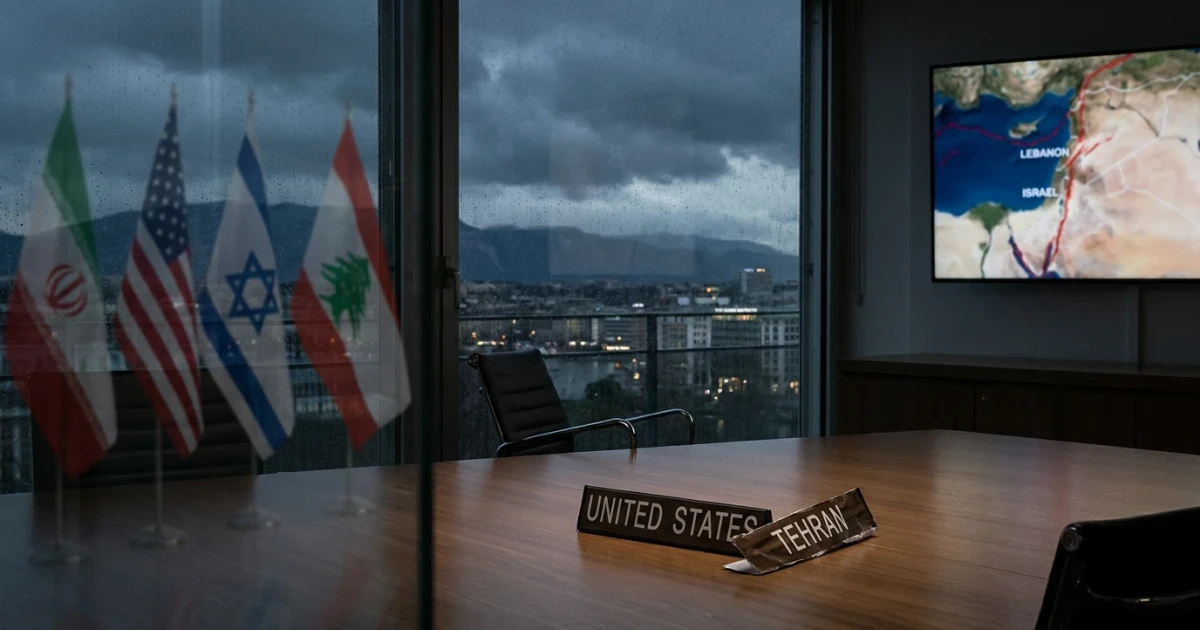
Tehran has suspended diplomatic talks with the United States following recent Israeli attacks in Lebanon, according to reports from Iranian media and coverage by NBC News. The move marks a significant escalation in regional tensions, raising concerns about the future of negotiations between Washington and Tehran and the broader stability of the Middle East.
Background to the Suspension
The announcement comes amid intensified conflict on the Israel-Lebanon border, where Israeli forces have conducted strikes targeting what they describe as Hezbollah positions. Iranian officials, as reported by domestic media outlets and cited by NBC News, have condemned these actions and directly linked them to their decision to halt ongoing diplomatic engagement with the U.S.
Iran’s suspension of talks signals frustration with what it perceives as American support for Israeli operations. According to the U.S. Department of State, Iran has historically maintained close ties with Hezbollah, viewing Israeli action in Lebanon as a threat to its regional interests.
Regional Implications
This diplomatic freeze may have ripple effects across the region. The Congressional Research Service notes that Iran’s foreign and defense policies are deeply intertwined with events in Lebanon and Israel, with Tehran often using negotiations as leverage when regional conflicts intensify.
- UNHCR data shows that recent Israeli attacks have contributed to rising displacement in Lebanon, with thousands of civilians fleeing border areas due to escalating violence. (Explore Lebanon displacement stats)
- Public opinion surveys from Pew Research Center indicate widespread concern in the region about external involvement and mounting civilian casualties.
While the Biden administration has previously sought to maintain dialogue with Tehran to prevent escalation and address nuclear concerns, Iran’s decision to suspend talks underscores growing distrust and the potential for diplomatic setbacks.
Official Responses and Next Steps
There has been no immediate comment from U.S. officials regarding Iran’s move. Past statements have emphasized the importance of dialogue to manage tensions between Iran, Israel, and Lebanon, as documented in recent UN Security Council resolutions addressing Middle Eastern conflicts.
Analysts see Iran’s suspension as part of a broader strategy to pressure the U.S. into addressing Israeli actions more directly. The Council on Foreign Relations explains that Tehran’s relationships with Hezbollah and its stance on Israel have long shaped its diplomatic calculus.
Potential Consequences
- Further disruption of humanitarian aid in Lebanon as conflict intensifies
- Stalled progress on nuclear negotiations and sanctions relief for Iran
- Increased risk of military escalation in border regions
With talks suspended, attention will turn to whether international actors can mediate a return to dialogue or if the situation will continue to deteriorate. The coming days will be critical as regional stakeholders assess their next steps amid heightened uncertainty.
For more information on the evolving dynamics between Iran, Israel, and Lebanon, readers can consult the latest analyses from the Congressional Research Service and backgrounders from the Council on Foreign Relations.
Looking Ahead, the suspension of U.S.-Iran talks amid Israeli attacks on Lebanon is likely to complicate efforts for regional stability. Diplomats and policymakers will need to navigate a landscape marked by shifting alliances and rising humanitarian needs, especially as the risk of wider escalation remains present.