World
Tehran Struck by Airstrikes Amid U.S. Marine Deployment
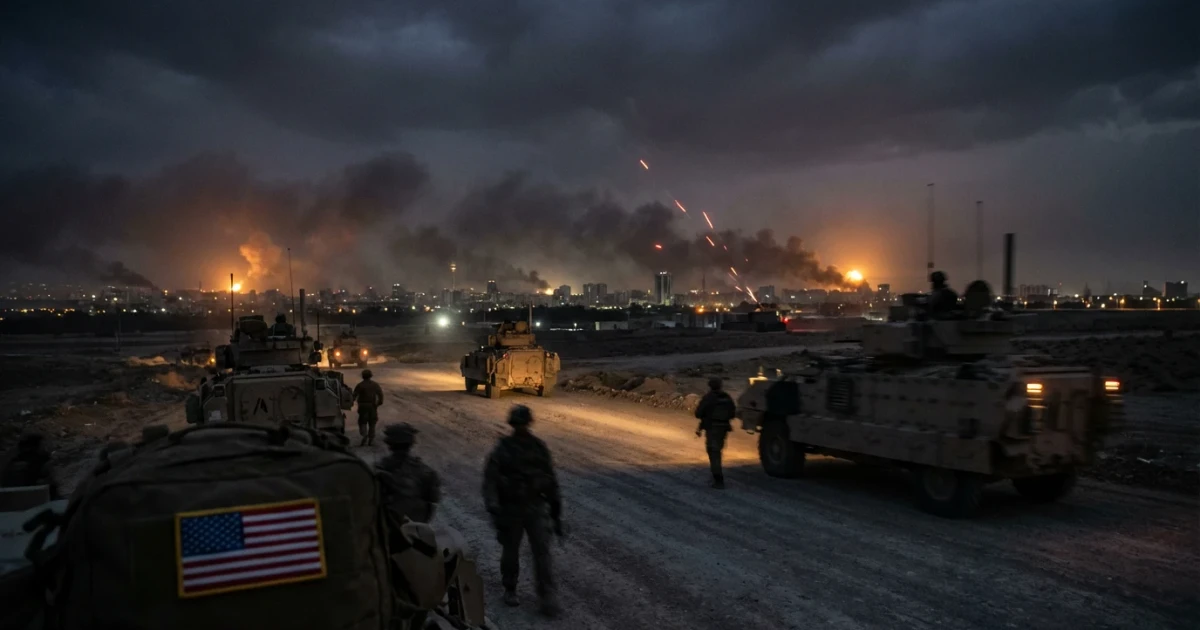
Tehran was struck by heavy airstrikes overnight as the conflict involving Iran intensified, with U.S. Marines arriving in the Middle East in a coordinated military response. The escalation, reported by The New York Times, marks a significant turning point in a crisis that is reverberating far beyond the region’s borders.
Airstrikes Hit Iranian Capital
Multiple airstrikes targeted Tehran in the early hours, sending shockwaves through the city and causing widespread damage. The New York Times detailed the assault as one of the most forceful attacks on the Iranian capital in recent history, highlighting the scale and precision of the strikes. While the exact number of casualties and the extent of the destruction remain unclear, early reports indicate significant impacts on military and strategic sites.
U.S. Marines Arrive in the Middle East
Coinciding with the strikes, U.S. Marines were deployed to strategic positions across the Middle East. According to The New York Times, this deployment signals a robust military posture from the United States, reflecting concerns over regional stability and the security of allied interests. The U.S. Department of Defense’s recent military contracts and troop movements underscore Washington’s commitment to supporting regional partners and deterring further escalation.
Regional and Global Implications
The military action has already triggered major disruptions beyond the immediate conflict zone. The New York Times reported a rupture in international trade described as the worst in eighty years, highlighting the far-reaching economic consequences of the hostilities. The UN Comtrade Database shows that Iran is a critical node in Middle Eastern trade networks, particularly in energy and raw materials, making any disruption highly consequential for global supply chains.
- Key shipping routes in the Persian Gulf and Strait of Hormuz are at risk, potentially impacting global oil prices and energy security.
- Major trading partners in Asia and Europe are preparing contingency plans to secure alternative supply lines.
- Sanctions and insurance risks are expected to further destabilize global markets, according to early statements from trade and shipping analysts.
Escalating Tensions and Military Strategy
The coordinated U.S. and Israeli military response is part of a broader strategy to contain Iranian military capabilities. For background on the structure and recent activities of Iran’s military forces, analysts point to an increasingly sophisticated arsenal and complex regional alliances, which have contributed to the rapid escalation of the conflict.
Military analysts have noted that Tehran’s air defenses and command centers were likely primary targets, aiming to degrade Iran’s ability to coordinate further military operations. Reports compiled by GlobalSecurity.org provide maps and timelines of the strikes, offering insight into the operational objectives and potential for further escalation.
International Reactions and Risks Ahead
The United Nations and key world powers have called for restraint and emergency consultations. The official UN Security Council sanctions on Iran remain a point of contention, with renewed debate over the balance between enforcement and diplomatic engagement. Meanwhile, the deployment of U.S. forces increases the risk of wider regional conflict, drawing in neighboring countries and international stakeholders.
As the situation evolves, the focus remains on preventing further humanitarian fallout and restoring stability. The coming days are expected to test diplomatic channels, regional alliances, and the resilience of the global economic system.
Looking Forward
The heavy airstrikes on Tehran, the deployment of U.S. Marines, and the immediate economic shockwaves underscore the gravity of the current crisis. With trade disruptions already being described as the worst in decades, and military tensions still high, the world is watching closely for signs of de-escalation—or further escalation—in the Iran conflict.