World
Telegram challenges India’s temporary block over exam leak crackdown
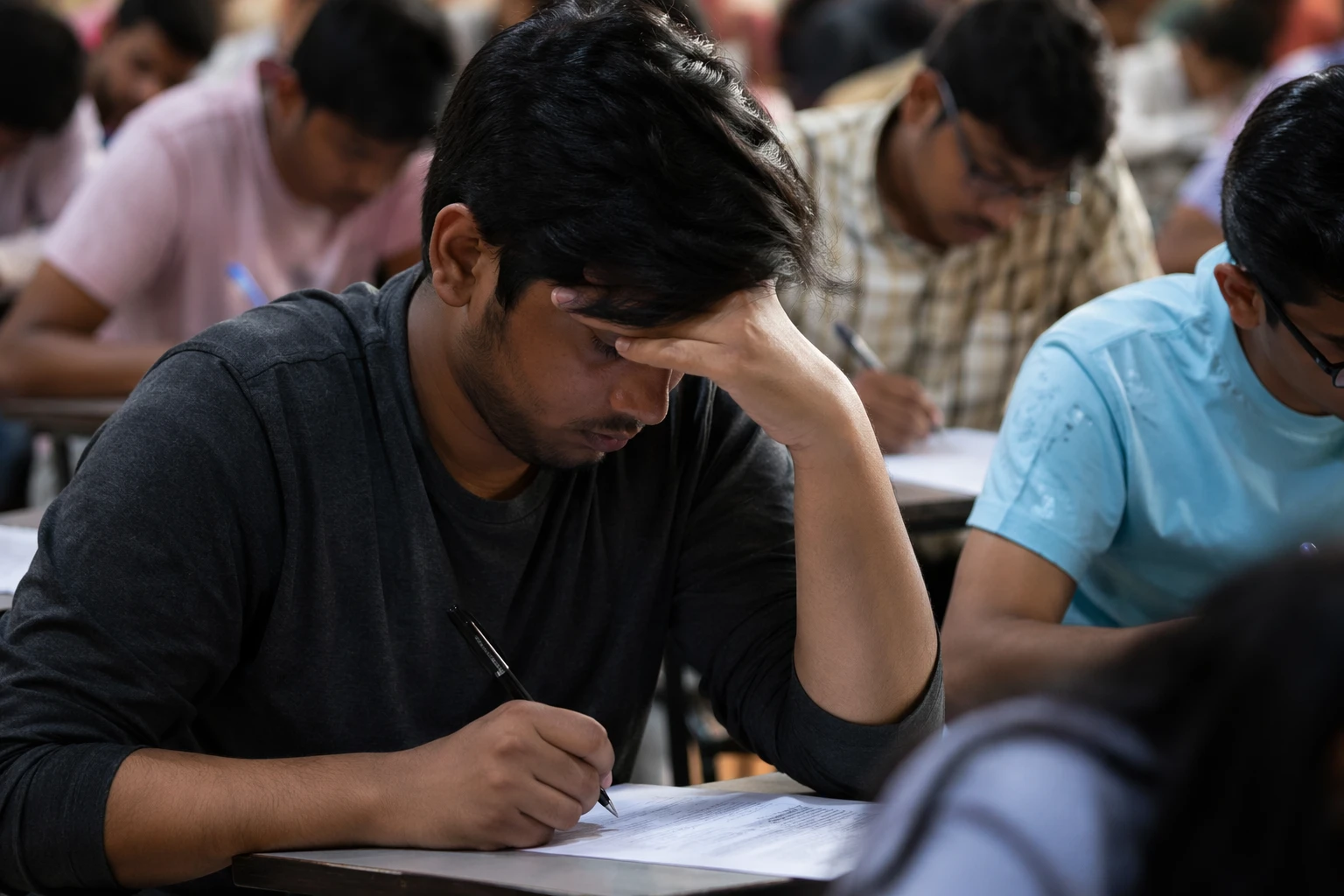
India’s effort to stop exam fraud through Telegram collided with digital rights concerns and the practical limits of platform bans, as users quickly looked for VPNs and alternative apps. The dispute centered on a temporary restriction tied to the NEET (UG) 2026 re-examination, scheduled for June 21, 2026, and on whether the government went too far by targeting the whole platform instead of the specific channels spreading abuse.
The National Testing Agency said the measures were meant to curb leaked questions, misinformation and fabricated “paper leak” evidence circulating on Telegram. Under the order, access to Telegram in India was limited until June 22, 2026, and a separate directive required the app to disable message editing in India until June 30, 2026. The government action was taken under Section 69A of the Information Technology Act, 2000, a power that gives authorities a broad tool to block online content in the name of security and public order.
Telegram challenged the move in the Delhi High Court, arguing that authorities should have targeted specific harmful content rather than the entire platform used by millions. The company said the order was unconstitutional and a disproportionate restriction on free speech. The court heard the plea and reserved judgment, leaving the temporary block in place while the legal fight continued.
Pavel Durov, Telegram’s founder, said India had “punished” more than 150 million ordinary users and argued that the leaks had simply moved to other apps. That claim pointed to the central governance problem at the heart of the case: even when officials move quickly to disrupt fraud networks, broad shutdowns can push activity into harder-to-monitor channels instead of eliminating it.
The disruption also showed how quickly users can route around restrictions. Proton said daily registrations from India rose 120% above baseline on Wednesday, and some users reported that Telegram still worked, suggesting either uneven enforcement or technical workarounds. The pattern underscored the limits of blunt blocking orders in a country where Telegram is widely used for study groups, file-sharing and community chats.

For regulators, the case has become a test of whether temporary national security and exam-integrity measures can justify collateral damage to ordinary users. For Telegram, it is a fight over whether India can lawfully silence an entire messaging service to chase down a narrower set of offenders.
Sources
- [1]techcrunch.com
- [2]nta.ac.in
- [3]cnbc.com
- [4]aljazeera.com
- [5]economictimes.indiatimes.com
- [6]digit.in