World
Telegram chief calls India ban a mistake amid exam leak probe
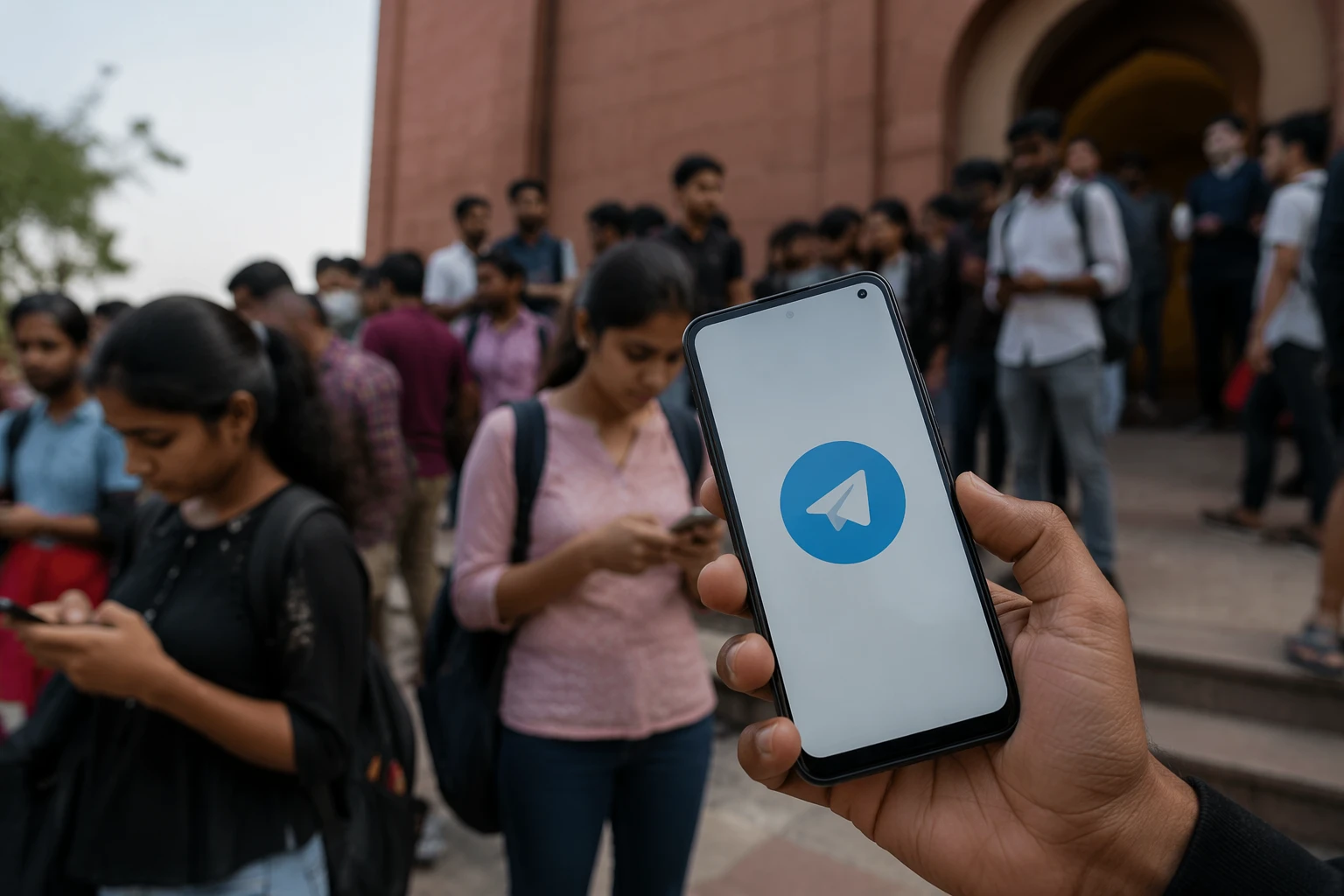
Telegram chief Pavel Durov has pushed back hard against India’s temporary restriction on the messaging app, calling it a mistake and arguing that it punishes more than 150 million ordinary users rather than the people behind exam leak networks. The dispute has turned into a test of how far New Delhi can go when policing online platforms used at massive scale, especially when the government says those same channels are being used to spread fraud.
India ordered the restriction under Section 69A of the Information Technology Act, 2000, and said it would remain in force until June 22, 2026, one day after the NEET-UG 2026 re-examination scheduled for June 21. Officials also directed Telegram to disable its message-editing feature until June 30, saying it had been misused to fabricate or alter evidence tied to alleged paper leaks. The National Testing Agency said it sought the move because cheating rackets and false claims of paper access were being circulated through the platform.
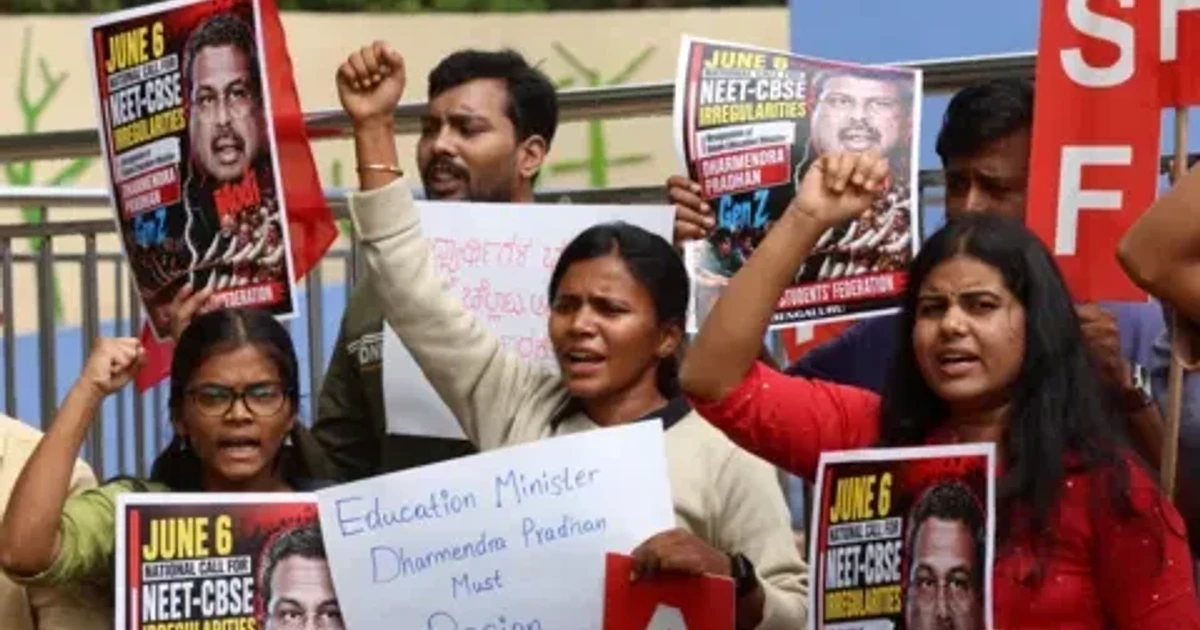
The immediate trigger was the fallout from NEET-UG 2026, held on May 3 and cancelled on May 12 after allegations of paper leaks and other irregularities. The cancellation affected more than 22 lakh aspirants and led to a Central Bureau of Investigation probe, deepening pressure on the government to show that it could protect exam integrity before the re-test. Investigators found evidence that questions similar to those in the May 3 paper had circulated before the exam, fueling concern over organized cheating networks, fake question-paper sales and misinformation on encrypted channels.

Telegram has taken the fight to the Delhi High Court, where a hearing was scheduled for June 17, 2026. The platform is seeking relief from the temporary block, which has also become a broader debate over proportionality in tech regulation. Durov has said the leaks have simply moved to other apps, raising the possibility that a sweeping restriction on one major platform may do little to stop the conduct officials are trying to prevent.

That tension lies at the center of India’s response. The government is acting after a high-stakes exam scandal that touched millions of families and shook confidence in public testing. But the Telegram case also asks whether emergency-style digital controls, even when aimed at cheating and fake evidence, can be calibrated narrowly enough to avoid sweeping up ordinary users who had nothing to do with the leak network.
Sources
- [1]bbc.com
- [2]cnbc.com
- [3]thehindu.com
- [4]livelaw.in
- [5]indianexpress.com
- [6]reuters.com