Politics
Ten years on, Brexit still blocks Britain-EU reset
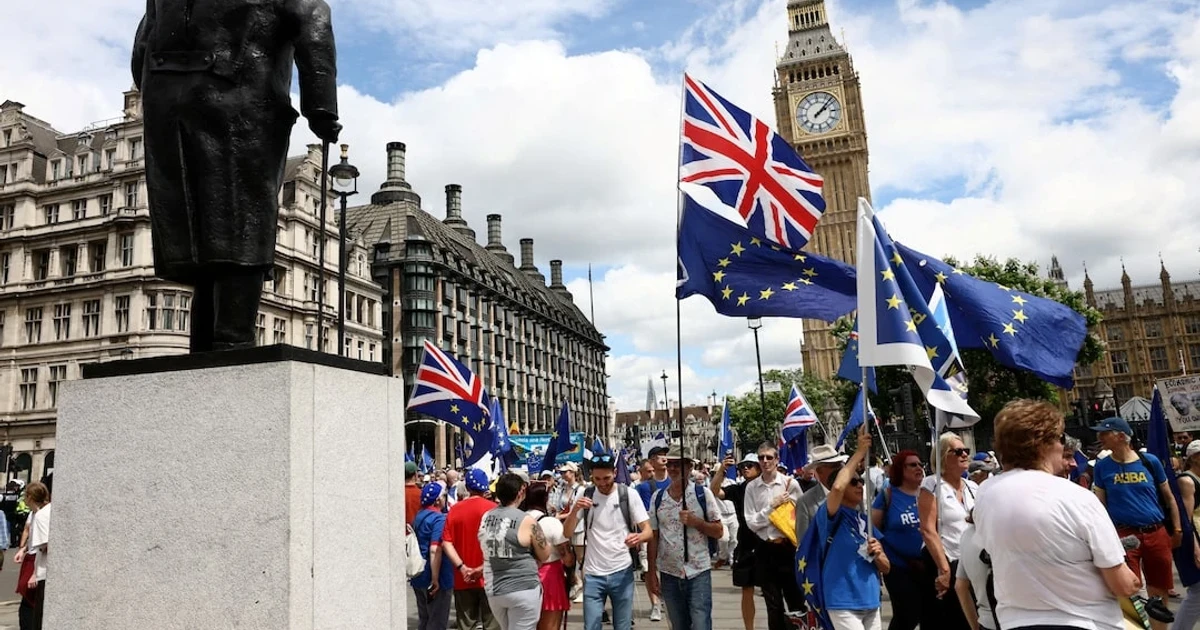
Ten years after Britain voted to leave the European Union, the argument is no longer about the referendum count. It is about whether London and Brussels can trust each other enough to cooperate after a divorce that still cuts into trade, security and domestic politics. The rancor has eased, but Britain is still living with one of the fastest cycles of prime ministerial turnover in modern political history and a relationship with Europe that has not been fully repaired.
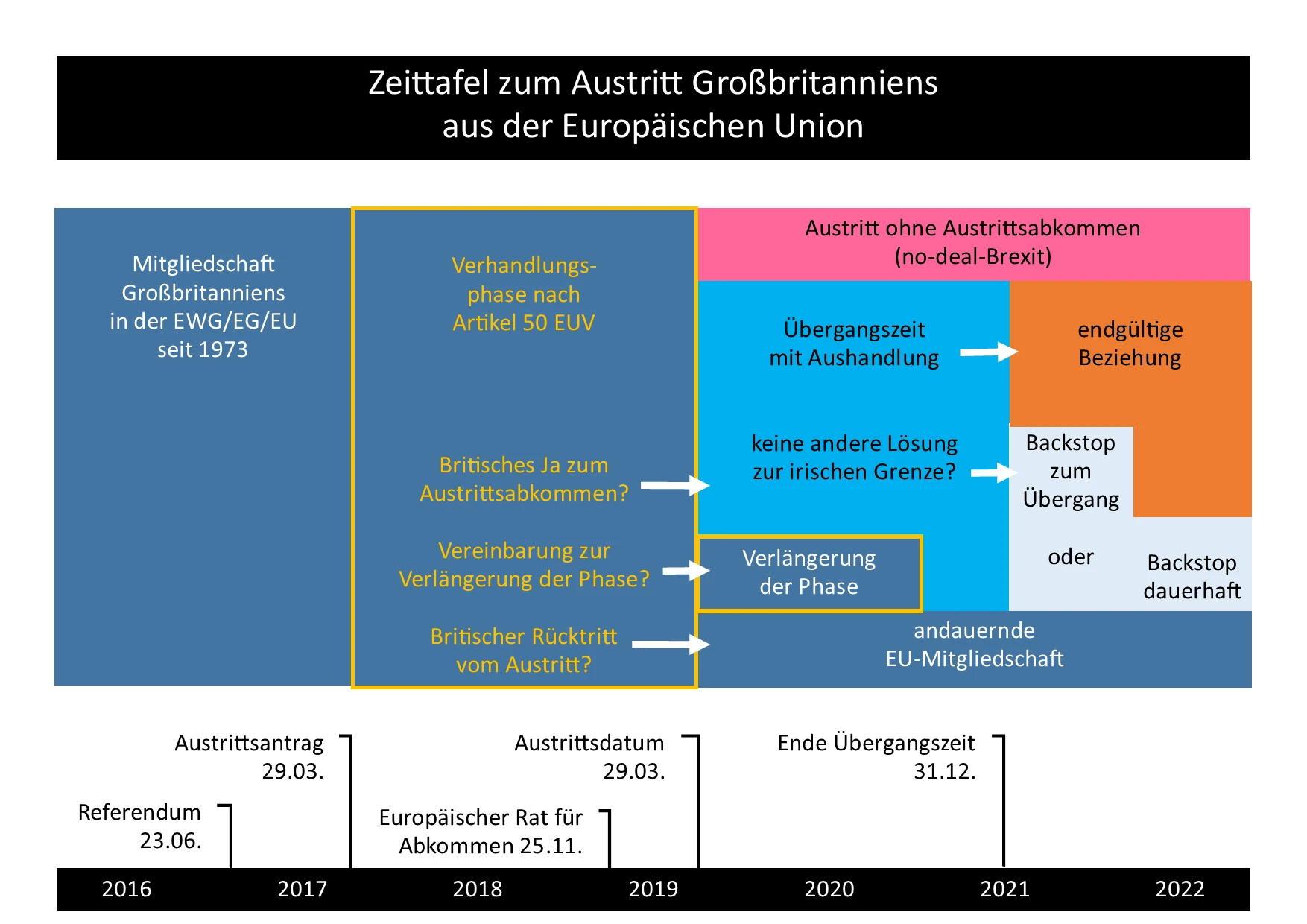
The 23 June 2016 referendum delivered a narrow 51.89% vote for Leave against 48.11% for Remain, on 72.21% turnout across the United Kingdom and Gibraltar. That split remains politically potent. Boston, Lincolnshire backed Leave by 76%, while Gibraltar voted 96% for Remain, showing how Brexit still maps onto Britain’s internal fault lines over sovereignty, migration and national identity.
Public opinion has shifted toward pragmatism rather than reversal. YouGov said on 17 June 2026 that 59% supported a closer relationship with the European Union without rejoining the bloc, the Single Market or the Customs Union, while 20% opposed that position. In June 2025, YouGov found 56% thought leaving the EU was the wrong decision and only 31% said it was right, underlining how far the mood has moved since the referendum.
The economic costs are now part of the mainstream debate. A National Bureau of Economic Research paper estimated that by the end of 2025 Brexit had reduced UK GDP by 6% to 8%, with investment down 12% to 13%, employment down 3% to 4% and productivity down 3% to 4%. The House of Commons Library said the EU accounted for 50% of UK imports in 2025, including 53% of goods imports and 45% of services imports, a reminder that Britain’s largest trading relationship still shapes supply chains, regulation and business confidence.
That is why the first post-Brexit summit on 19 May 2025 mattered, even if it stopped short of a full political reset. Britain and the EU agreed a Security and Defence Partnership, a Joint Statement and a Common Understanding on renewed cooperation, and the Council of the European Union cast the meeting as opening a new chapter. Michel Barnier, the EU’s chief negotiator on the Brexit deal and a former French prime minister, has argued that Britain’s problems are not all caused by Brexit, but that each one is more serious because of it. Matthew Elliott, a leading Vote Leave figure, says independence matters more in a world marked by a less predictable United States, a more challenging China and Russia at war in Europe.
The wider European backdrop makes reconciliation harder. Populist and far-right parties remain influential in Britain, France and Germany, keeping old fights over immigration, sovereignty and rule-making alive. A decade on, Brexit is still not just a memory of a vote. It is the unfinished settlement that continues to distort Britain’s policy choices, business expectations and diplomacy with Europe.
Sources
- [1]uk.finance.yahoo.com
- [2]electoralcommission.org.uk
- [3]commonslibrary.parliament.uk
- [4]nber.org
- [5]yougov.com
- [6]gov.uk
- [7]consilium.europa.eu
- [8]msn.com