Sports
Tennis tackles shortage of women coaches with new inclusion drives
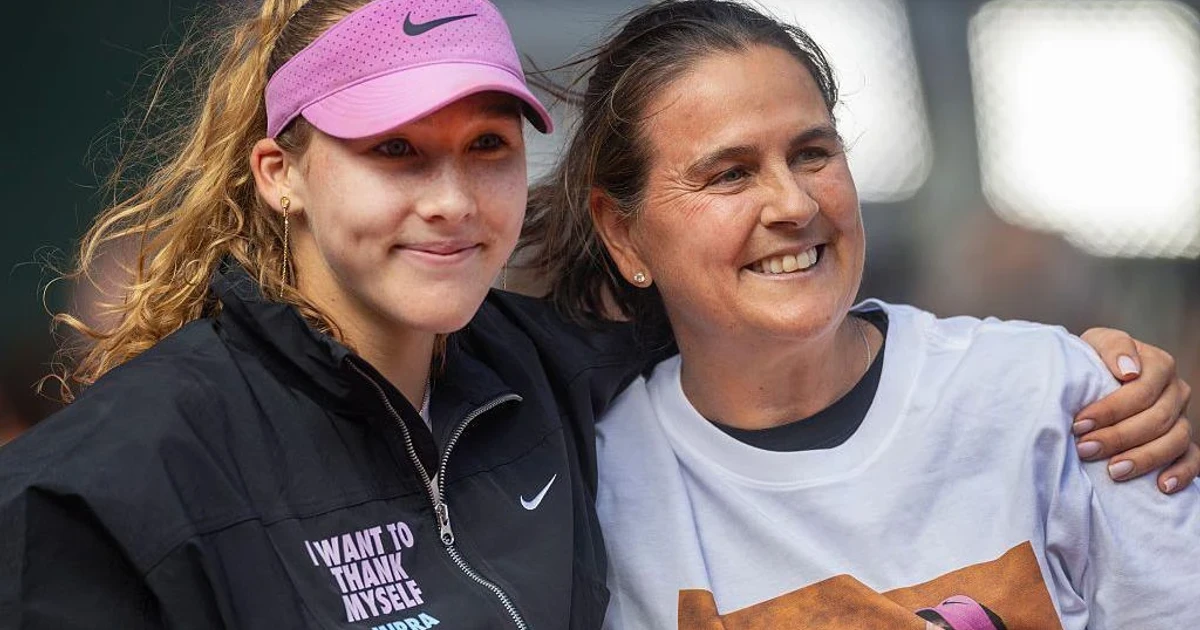
Tennis markets itself as one of sport’s most gender-balanced games, yet the coaching ranks still tell a more stubborn story. Across the global game, the share of women coaches has risen from 20.6% in 2019 to 24.3% in 2024, while Britain’s Lawn Tennis Association says only 24% of accredited coaches are female. The sport’s inclusion push is now focused on a basic contradiction: girls and women are present in the sport, but too often absent from the hiring tables, the mentor network and the top coaching jobs.
The pipeline problem
The shortage is not simply about numbers; it is about who gets seen as a coach in the first place. The International Tennis Federation says women officials increased from 21% in 2018 to 31% in 2024, a sign that structured pathways can move representation when they are deliberate and sustained. Coaching, by contrast, is still lagging behind, which matters because visible role models shape who believes they can enter the profession at all.
Britain offers a useful case study. The LTA says tennis remains one of the most gender-balanced sports for children in the UK, and female participation is higher than it was three years ago. Its campaign supported 10,000 new girls to try tennis for the first time, and the number of female tennis coaches in Britain has grown by a third over the past three years. Even so, the same system still produces a coaching workforce in which women remain a minority.
That gap is the pipeline problem in practice. If the early steps into coaching depend on informal hiring networks, former-player connections and trust built over years on the tour, women can be excluded long before they reach elite visibility. The result is a profession that can look open in principle, but still closes off at the point where appointments are made and reputations are formed.
Why the sport is moving, but not fast enough
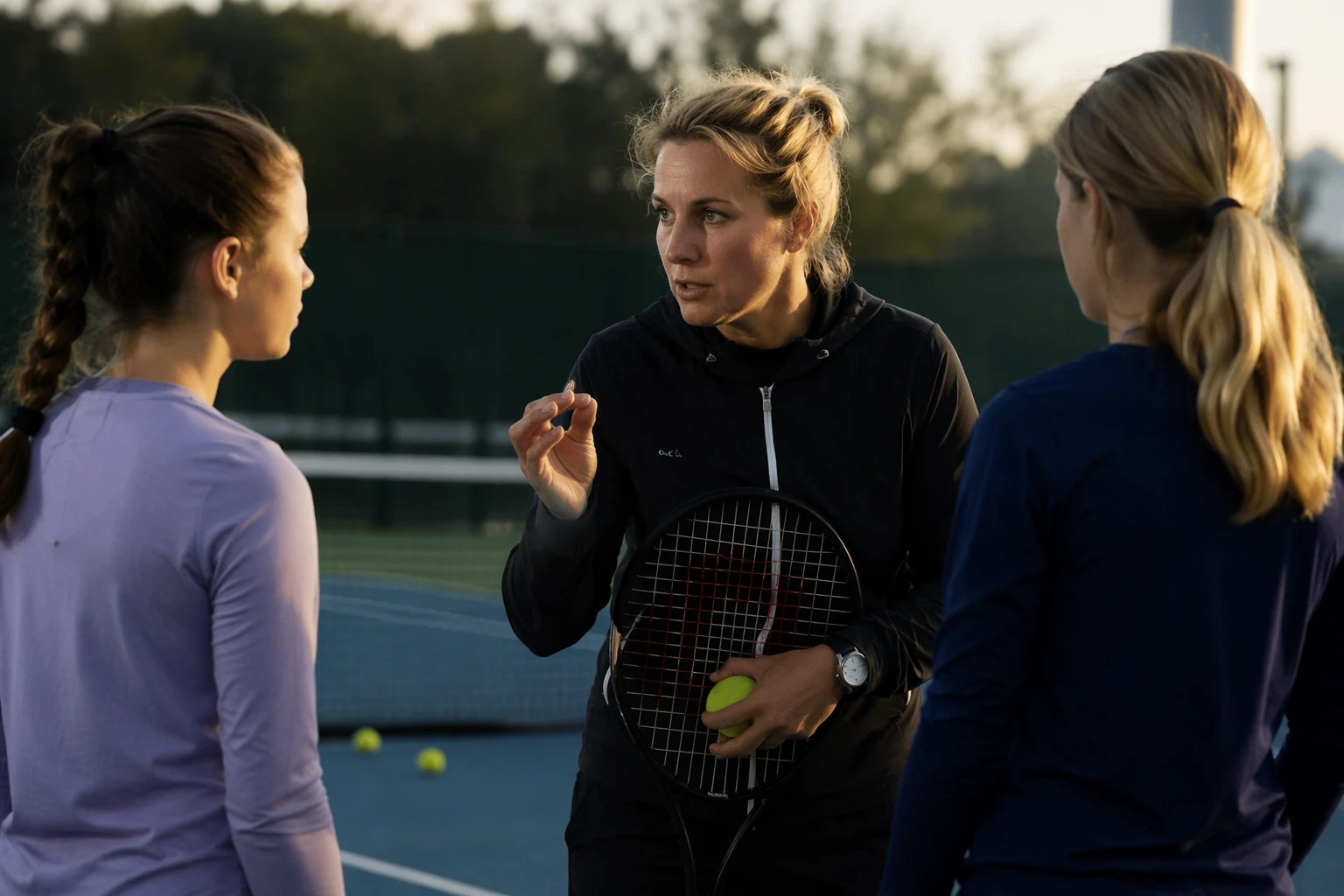
The ITF’s global targets for 2028 show how serious the sport now is about closing the gap. The federation wants at least 30% women coaches, 40% women leaders and 40% women officials across tennis worldwide. Those targets are meaningful because they turn equality from an aspiration into a numerical benchmark, but they also expose how much work remains if the current pace is the ceiling rather than the floor.
The WTA’s experience shows what targeted intervention can do. Its Coach Inclusion Program has supported 44 graduates from 18 nations since 2021, with 39 more expected to graduate this year. The WTA says women made up just 6% of registered coaches on Tour in 2017; by 2026 that figure has risen to 19%. That is real progress, but it is still far from parity, and it underlines how deep the talent pool has to be if women are to become a normal part of the coaching landscape rather than a novelty.
The lesson is that participation alone does not fix representation. Girls can be flooding into tennis as players while the coaching workforce changes much more slowly, because the profession has its own gatekeepers, its own economics and its own culture. The numbers in Britain and across the WTA suggest that when tennis invests in inclusion, representation does move. The problem is that the move is still incremental, not transformative.
History shows women have always been there
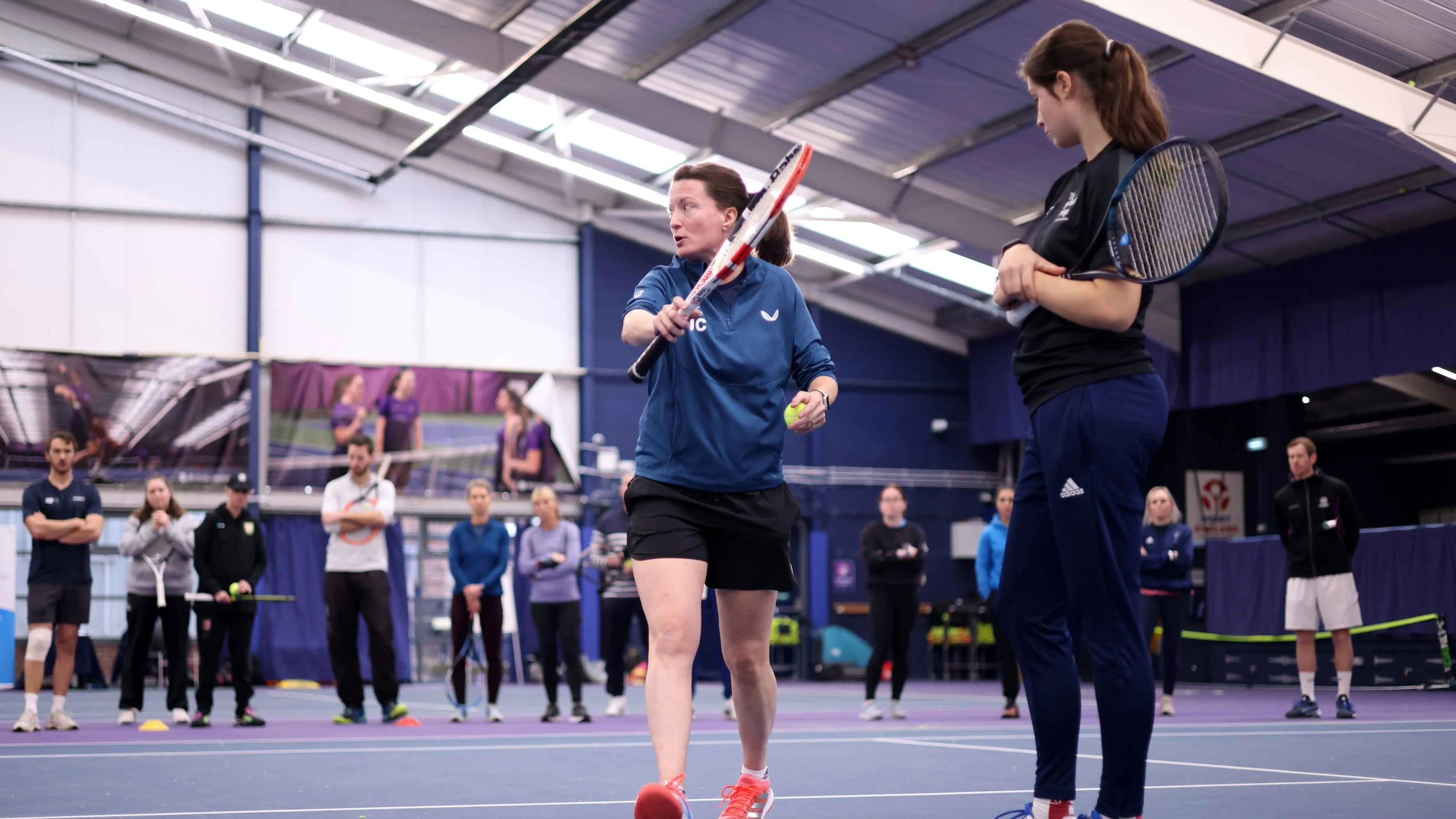
The shortage is also more visible because it sits against a long, if often overlooked, history. Women have been coaching in British tennis since at least the early 20th century, but they were often overlooked, and one of the first female professional tennis coaches in the UK, Margaret Eyre, née Lidderdale, emerged around the late 1930s. That history matters because it shows the current imbalance is not the result of a lack of female ability or interest.
Modern role models make that point even more sharply. The LTA has highlighted Biljana Veselinovic as a senior figure with 18 years on the WTA Tour and experience working with multiple top-20 players. Visible examples like that matter because they widen the definition of what an elite coach looks like and make it harder for tennis to treat men as the default authority on court.
The cultural barriers have also been exposed in public. When Andy Murray hired Amélie Mauresmo in 2014, the appointment triggered a wave of sexist backlash, laying bare the stereotypes and ego issues female coaches can still face around elite players. That episode is a reminder that the problem is not only whether women are hired, but whether the environment around them is ready to accept their authority.
What the inclusion drives are really trying to change
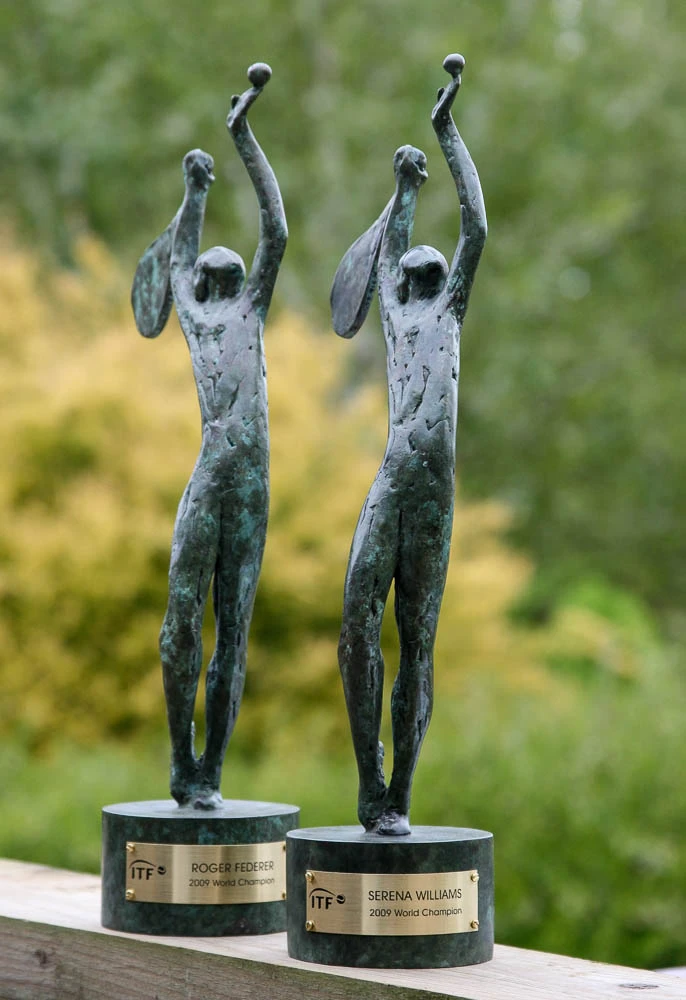
The current campaigns by the ITF, LTA and WTA are trying to fix the whole system, not just the headline percentage. LTA initiatives such as She Rallies and female taster courses are designed to bring more women into coaching and keep them there, while also extending the sport’s reach among girls. The ITF, meanwhile, is linking coaching representation to broader leadership goals, which matters because women are less likely to stay in a profession where they cannot see a pathway to senior influence.
To move the numbers further, tennis will need structural change in three places at once. Hiring has to open beyond familiar male-dominated networks, mentorship has to be formal rather than accidental, and the early-career coaching route has to look like a real profession rather than a precarious side door. Without that, women can keep entering tennis as players, officials and course participants while still disappearing before they reach the elite coaching bench.
The sport has already proved that representation can rise when it is measured and funded. Officials moved from 21% to 31% worldwide in six years, women coaches moved from 20.6% to 24.3%, and Britain says female coaching participation has climbed by a third in three years. The next test is whether tennis can turn those gains into a normal hiring pattern, rather than a permanent correction effort.
Sources
- [1]bbc.com
- [2]itftennis.com
- [3]lta.org.uk
- [4]wtatennis.com
- [5]playingpasts.co.uk
- [6]news.flinders.edu.au