Politics
Tension Rises in Karnali Over Congress-UML Rift
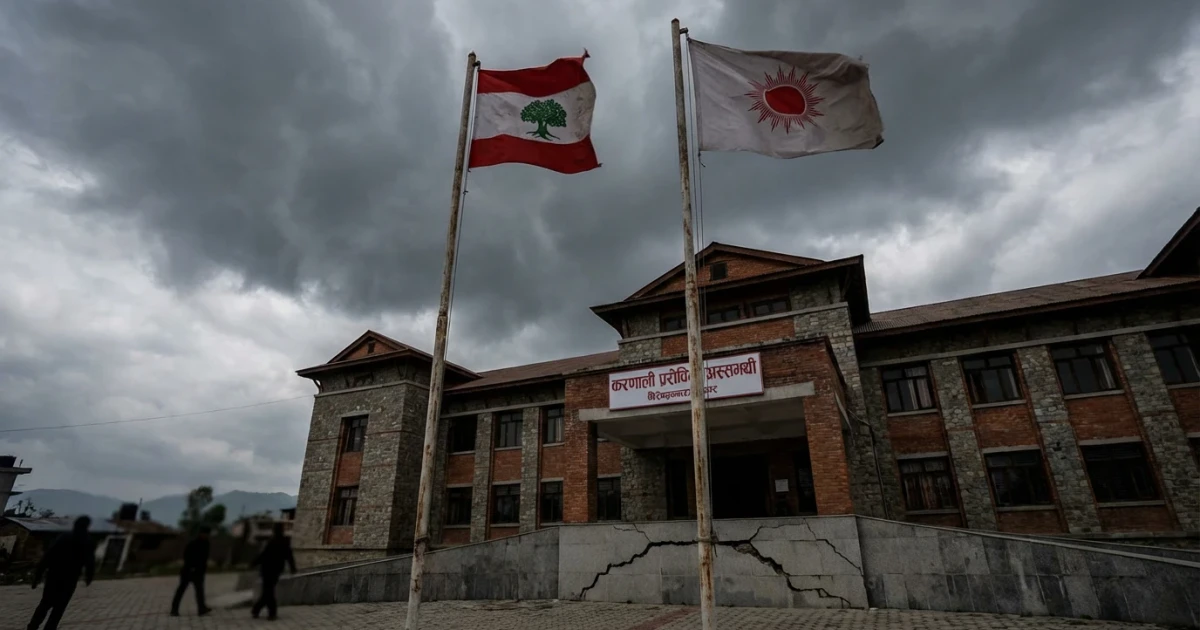
Karnali Province is facing renewed political uncertainty as friction intensifies between the Nepali Congress and the Communist Party of Nepal (Unified Marxist-Leninist) (UML), the two main parties in the province's coalition government. The growing discord has put the stability of the provincial administration in question, with both parties signaling unwillingness to compromise on key issues.
Background: Coalition Dynamics in Karnali
Karnali, Nepal’s largest but least populated province, has long been politically fragile due to its diverse party representation and the need for coalition governance. According to official population statistics, Karnali holds a unique demographic and geographic significance, which often translates to complex political negotiations.
Following the most recent provincial assembly elections, no single party won an outright majority in Karnali, leading to a coalition government between the Nepali Congress and UML, with support from smaller parties. This arrangement, while initially stable, has repeatedly come under strain as policy disagreements surface.
Rising Friction and Recent Developments
Ratopati reports that the main source of current tension relates to disagreements over cabinet portfolios, budget allocations, and the implementation of development projects. Both the Nepali Congress and UML have accused each other of undermining coalition agreements and failing to honor prior commitments regarding the distribution of key ministries.
- The UML has reportedly sought greater influence over financial and infrastructure ministries, arguing that its electoral performance warrants a stronger presence in decision-making.
- The Nepali Congress, meanwhile, insists that the original coalition formula should be respected and accuses the UML of opportunism.
As the friction escalates, there are growing rumors about possible defections or no-confidence motions against the current provincial leadership. Political observers note that even minor shifts in assembly support could dramatically alter the government’s composition, given the province’s fragmented party landscape. For a breakdown of party representation and electoral systems in Karnali, see International IDEA's country profile.
Implications for Governance and Development
The current instability threatens to stall policy initiatives and delay the province’s development agenda. Karnali, which lags behind national averages on key socioeconomic indicators, is particularly vulnerable to political gridlock. Critical projects in health, education, and infrastructure could be hindered if the government fails to maintain consensus.
Nepal’s Province Assembly Act sets out the procedures for government formation and dissolution. However, experts cited by Ratopati suggest that the law offers little guidance for resolving persistent coalition disputes short of a formal no-confidence vote or executive intervention.
What Comes Next?
As political negotiations continue behind closed doors, both parties are under pressure from their national leadership to avoid a complete breakdown of the coalition. At the same time, local representatives are keen to assert their autonomy and secure tangible benefits for their constituencies.
The situation remains fluid, and the coming weeks will be critical in determining whether Karnali’s coalition government can survive—or if new alignments will emerge in the provincial assembly. Political analysts warn that prolonged instability could erode public confidence and hinder much-needed development efforts in one of Nepal’s most under-served regions.
The Sheffield Press will continue to monitor developments as Karnali’s political landscape evolves.