World
Tensions Deepen as Trump Raises Possibility of NATO Exit
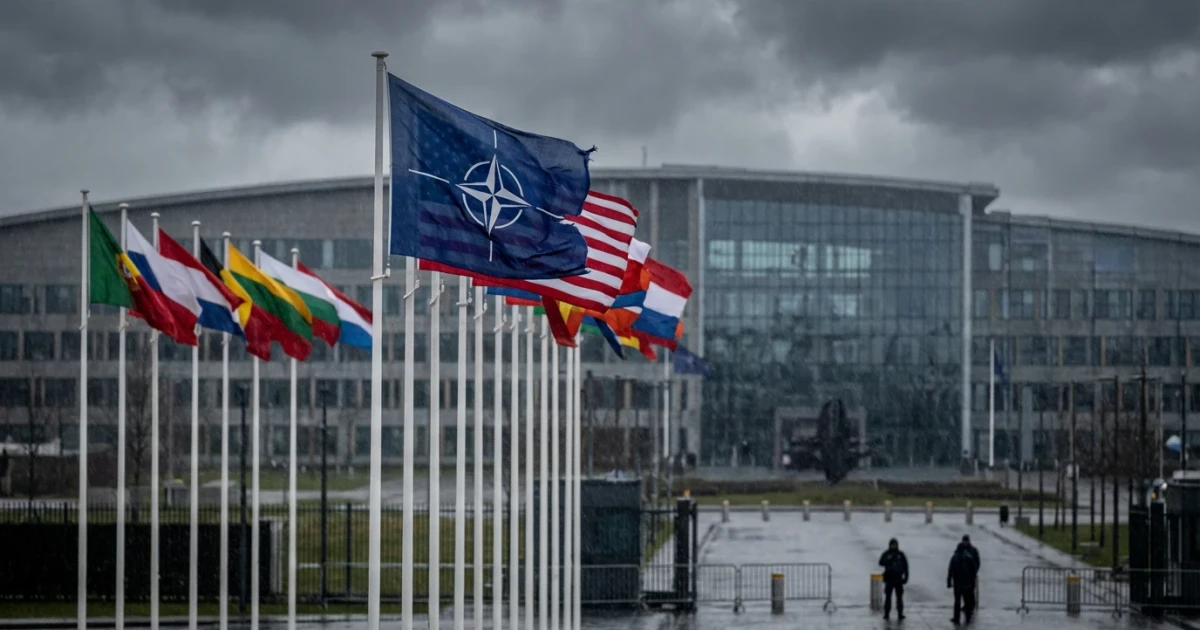
Escalating tensions between the United States and Iran have taken a new turn as President Trump reportedly told aides he is considering a U.S. withdrawal from NATO, according to recent coverage by The Wall Street Journal. The move, coming amid the ongoing Iran war, adds uncertainty to the future of the long-standing military alliance and the broader stability of the region.
Diplomatic Stalemate and Accusations
Iranian officials responded sharply to these developments, stating that the U.S. is "not serious about diplomacy." Tehran's stance reflects the deep mistrust that has characterized U.S.-Iran relations in recent years, particularly since the re-imposition of wide-ranging U.S. sanctions and the ongoing military standoff around the Strait of Hormuz. The lack of open diplomatic channels has left the situation precarious, with both sides trading barbs rather than engaging in substantive talks.
Trump Floats NATO Departure
According to the Wall Street Journal, President Trump has privately indicated to close advisers that he is willing to end the conflict with Iran without securing the reopening of the strategic Strait of Hormuz, a major chokepoint for global oil exports. More significantly, Trump has floated the possibility of the United States leaving NATO, a move that would be unprecedented for the alliance's leading military power.
- NATO has been central to U.S. military posture in the Middle East, providing strategic support and shared intelligence in previous regional conflicts. See the alliance's official record of operations.
- The Strait of Hormuz remains a key economic and security concern, with roughly 20% of global oil trade passing through its waters, according to U.S. Energy Information Administration data.
Strategic Uncertainty for Allies
The prospect of a U.S. withdrawal from NATO has alarmed European allies, who rely heavily on American military support and nuclear deterrence. While Trump's comments appear to be under internal deliberation rather than official policy, they have added to the sense of unpredictability shaping allied strategy in the region.
NATO's past and present operations underscore the alliance's significance in regional and global security. A U.S. exit would raise questions about the alliance's ability to deter threats, respond to crises, and maintain cohesion among member states. For a detailed overview of NATO missions and how they could be impacted, readers can consult the official list of NATO operations.
Iran’s Position and Sanctions
Tehran’s criticism of the U.S. approach to diplomacy coincides with ongoing economic pressure from international sanctions under UN Security Council Resolution 2231. Iran’s leaders have consistently argued that American policy is driven by coercion rather than negotiation, a perspective that has been echoed in both domestic and international statements. The impasse has hampered progress on issues ranging from nuclear oversight to regional security arrangements.
Looking Ahead
The situation remains fluid, with President Trump’s strategic deliberations and Tehran’s diplomatic posture keeping the prospect of further escalation open. The possibility of a U.S. break from NATO, though not yet policy, marks a significant inflection in American foreign relations and the architecture of Western security. The coming weeks will be critical as allies, adversaries, and global markets respond to the rapidly evolving landscape.