US News
Tensions Escalate as Iran Skips U.S. Talks After Ship Seizure
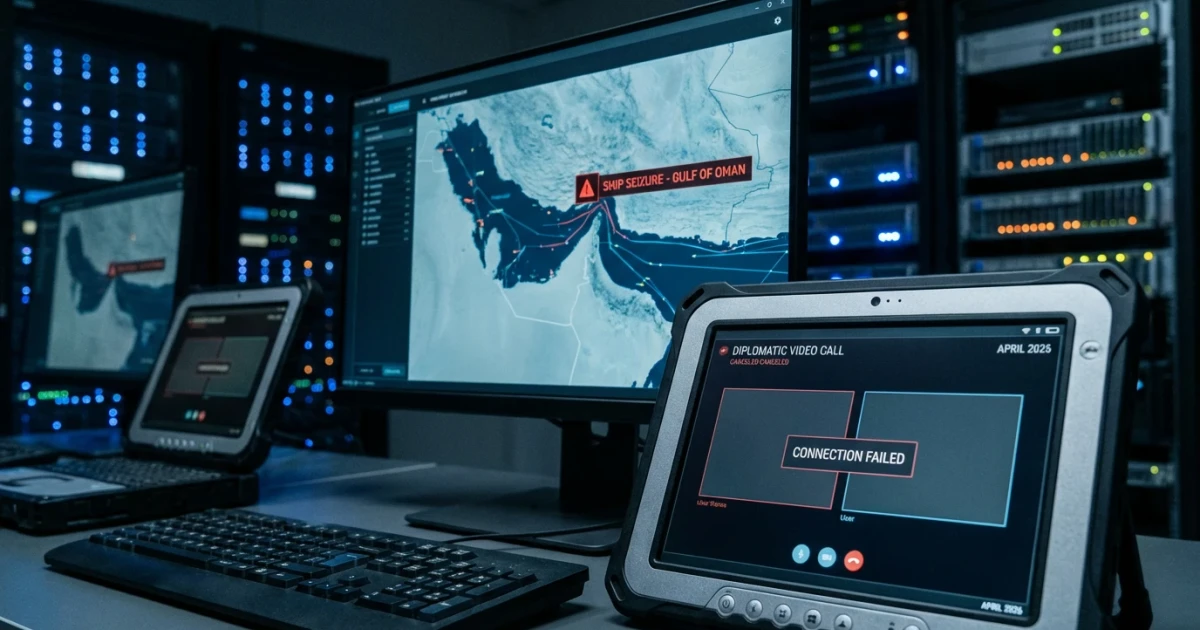
Heightened tensions between Iran and the United States have thrown diplomatic efforts into disarray after Iran announced it would not participate in scheduled talks, following the seizure of an Iranian-flagged ship by U.S. forces. The move comes amid a period of already strained relations and growing concerns over maritime security in the Gulf region.
Diplomatic Uncertainty in the Wake of Seizure
The Wall Street Journal reported that efforts to restart dialogue between Washington and Tehran are now in limbo. Iran’s official decision to skip the planned talks was confirmed as tensions spiked over the U.S. seizure of a commercial vessel sailing under the Iranian flag. The ship’s detention adds another layer of complexity to already fraught relations, with both countries trading accusations over recent events in the Gulf.
Background: Maritime Security and Sanctions
The U.S. and Iran have long clashed over shipping lanes and enforcement of sanctions targeting Iran’s maritime sector. The incident underscores the volatile security environment in the region, where ship seizures and detentions have become a recurring flashpoint. Data from UNCTADstat shows that Iran maintains a significant merchant fleet, making its maritime assets frequent targets of international scrutiny and enforcement actions.
International standards for maritime security, as outlined by the International Maritime Organization, seek to reduce incidents such as piracy, armed robbery, and unauthorized vessel detention. However, regional rivalries and ongoing sanctions have complicated adherence to these protocols in the Gulf and surrounding waters.
Implications for Regional Stability
The latest ship seizure has raised alarms not only about the immediate diplomatic fallout but also about the risk of wider escalation. According to background from the Council on Foreign Relations, Iran’s military posture and naval deployments in the Gulf remain a central concern for U.S. and allied forces. The possibility of tit-for-tat maritime actions, such as retaliatory seizures or blockades, remains a significant risk.
- Iran controls key shipping lanes in the Gulf, including the Strait of Hormuz, through which a significant percentage of global oil passes.
- The U.S. retains a strong naval presence in the region, with regular patrols and enforcement actions tied to UN Security Council sanctions.
- Both countries have previously engaged in reciprocal ship detentions, often leading to sharp diplomatic escalations.
Expert Perspectives on Maritime Risks
Recent analysis by the OECD in its Maritime Security Risk Assessment highlights the Gulf as a persistent hotspot for vessel seizures, noting that incidents often trigger broader regional or global reactions. Experts warn that continued uncertainty and lack of dialogue between major powers increase the likelihood of miscalculation, further imperiling commercial shipping and energy markets.
Looking Ahead: High Stakes for Diplomacy
With Iran now refusing to participate in talks, the pathway to de-escalation appears more complicated. Observers stress that renewed diplomatic engagement will be essential to prevent further incidents and restore confidence in maritime security frameworks. For the time being, the situation remains fluid, with stakeholders across the region closely watching for signs of either compromise or confrontation.