US News
Tensions Grow Between U.S. and Israel Over Iran Policy
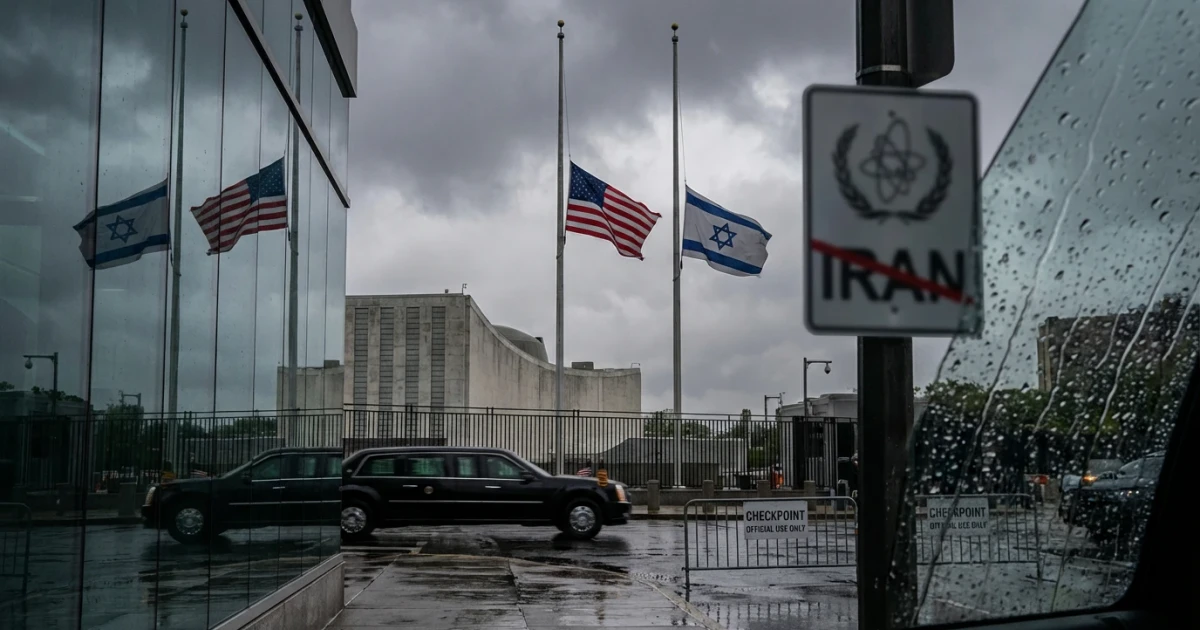
Growing divisions between the United States and Israel over policy on Iran have come into sharp focus, as both allies grapple with differing visions for the region’s future security landscape. While the U.S. continues to emphasize diplomatic engagement and containment regarding Iran’s nuclear ambitions, Israel remains wary, urging more robust measures and expressing skepticism about long-term outcomes.
The Core of the Disagreement
Recent developments have highlighted a widening rift in U.S.-Israeli relations, especially over the so-called "end game" regarding Iran’s nuclear program. The U.S. administration has signaled openness to negotiations and possible phased relief from international sanctions in exchange for verifiable restrictions on Iran’s nuclear activity. In contrast, Israeli officials have consistently voiced concern that such an approach could leave open pathways for Iran to eventually develop nuclear weapons capability.
Analysts note that Israel’s security doctrine prioritizes preventing any regional adversary from acquiring nuclear weapons, while the U.S. has often balanced nonproliferation goals with broader diplomatic interests in the region. This divergence has become more pronounced as talks have progressed and Iran has resumed certain nuclear activities.
Military and Diplomatic Implications
According to data from the SIPRI Arms Transfers Database, the U.S. remains Israel’s primary military partner, supplying advanced defense systems and technological support. However, the current disagreement over Iran has led some in both countries to question the future trajectory of their strategic partnership.
- The U.S. has called for continued inspections and compliance with the International Atomic Energy Agency’s monitoring regime.
- Israel, meanwhile, has reserved the right to act unilaterally should it perceive an imminent threat from Iran’s nuclear program.
Experts at Brookings and other think tanks suggest that, despite these tensions, intelligence and security cooperation between the two countries remains robust, but the tone of recent diplomatic exchanges has become more cautious.
Regional and Global Repercussions
The evolving U.S.-Israeli stance on Iran has significant implications for the broader Middle East. Regional states watch closely as the two allies calibrate their approaches, with some Arab governments quietly supporting Israel’s hard line, fearing Iranian influence. Others, however, prefer the U.S.’s emphasis on dialogue and de-escalation.
Internationally, the debate over Iran’s nuclear future continues to shape relations with other world powers, especially those involved in the original 2015 nuclear deal. The United Nations Security Council maintains a set of sanctions and compliance mechanisms meant to curb Iran’s nuclear capabilities, though enforcement and consensus remain challenging.
Looking Ahead
While U.S. and Israeli policymakers both view Iran’s potential to develop nuclear weapons as a red line, their differing strategies for prevention are testing the limits of their alliance. The situation remains fluid, with ongoing negotiations, shifting regional dynamics, and domestic political pressures all playing a role. As the debate continues, the durability of the U.S.-Israel relationship—and the future of Middle East security—will likely be shaped by how these two allies resolve their differences over Iran.