US News
Tensions Persist as U.S. Maintains Blockade at Strait of Hormuz
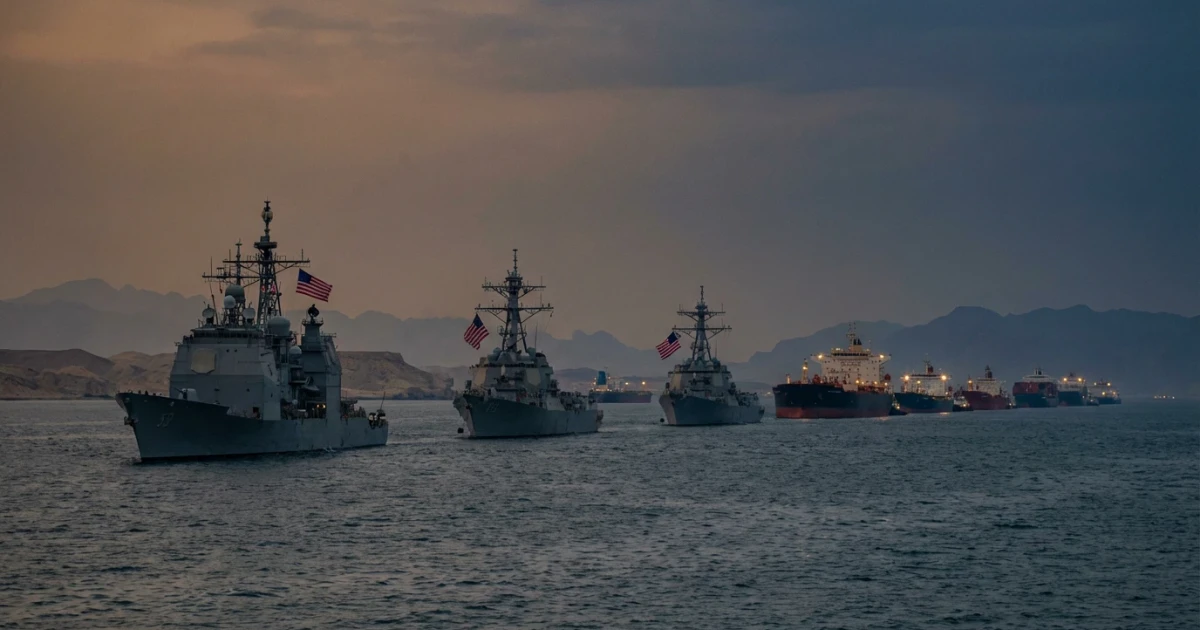
Tensions over the Strait of Hormuz remain high after President Trump declared the United States will continue its blockade of the strategic waterway, despite Iranian officials announcing the passage is now "completely open." The conflicting statements underscore ongoing uncertainty in a region critical to global seaborne oil trade.
The World’s Oil Chokepoint Under Strain
The Strait of Hormuz is considered the most important oil transit chokepoint, with approximately one-fifth of global petroleum liquids passing through its narrow waters each day. According to the U.S. Energy Information Administration’s analysis, any threat to shipping in this region can have outsized impacts on global oil supply and pricing.
- Roughly 21 million barrels of oil move through the strait daily, connecting producers like Saudi Arabia, Iraq, and the UAE to markets worldwide.
- Data from OPEC’s annual statistical bulletin shows that the vast majority of Persian Gulf oil exports rely on safe passage through the Hormuz chokepoint.
Conflicting Claims Over Access
On April 17, Iranian officials publicly stated that the Strait of Hormuz was now "completely open" to international maritime traffic. This claim followed several days of heightened military activity and diplomatic negotiations in the region. In contrast, President Trump maintained in a statement that the United States would continue enforcing its blockade, suggesting that "Iran has agreed to nearly all his demands," according to CBS News and The Washington Post.
Despite Iran's assurances, the U.S. position signals ongoing caution and a lack of trust in Iran's commitments. The blockade, initiated in response to regional tensions and security concerns, remains a flashpoint for international diplomacy.
Global Impact on Oil and Trade
Continued uncertainty at the Strait of Hormuz has significant implications for U.S. crude oil imports and the global energy market. The strait’s closure, even temporarily, can result in price volatility and supply disruptions. The United Nations Conference on Trade and Development’s maritime transport data confirms the strait’s role as a lifeline for both oil and liquefied natural gas shipments.
- Any extended blockade could disrupt shipping lanes for countries across Asia, Europe, and North America.
- Insurance premiums for vessels transiting the strait are likely to rise as long as military tensions persist.
Diplomacy, Demands, and Sanctions
President Trump’s statement that Iran has "agreed to nearly all his demands" points to ongoing negotiations behind the scenes. However, the lack of detail on the specific terms leaves open questions about the durability of any agreement. The U.S. has historically used a combination of sanctions and military presence to exert pressure on Iran, particularly regarding nuclear activity and regional security threats.
International observers note that while both sides may be seeking de-escalation, the persistence of the blockade means the risk of maritime incidents remains elevated. The situation is being closely monitored by energy markets, shipping companies, and governments with interests in Gulf oil flows.
Looking Ahead
As the U.S. maintains its blockade and Iran insists the strait is open, the coming days will be pivotal for the stability of this vital maritime corridor. Continued diplomatic engagement and on-the-ground verification will be crucial to ensure the free flow of energy supplies and prevent escalation. The world will be watching this strategic chokepoint for signs of genuine de-escalation or renewed confrontation.