World
Tensions Rise as Iran Attacks Three Ships in Strait of Hormuz
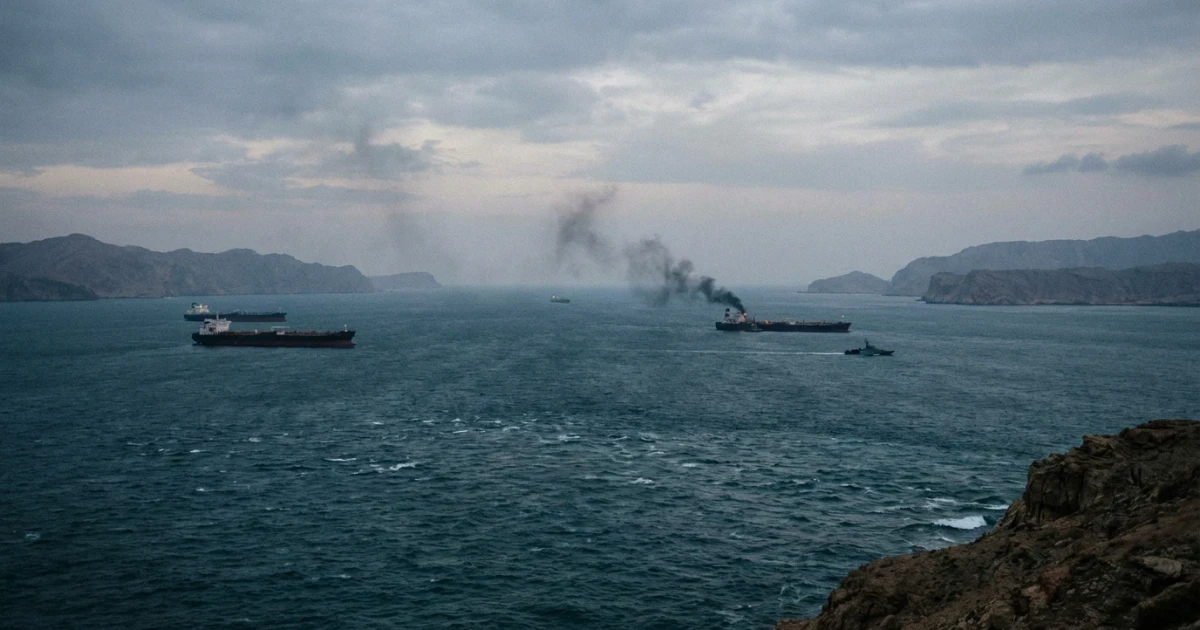
Iran has fired on three commercial vessels in the Strait of Hormuz, intensifying tensions in one of the world’s most critical maritime chokepoints. The attacks come as the United States maintains a blockade in the region, with diplomatic negotiations showing little progress, according to AP News.
Details of the Incident
On Tuesday, Iranian naval forces targeted three ships transiting the Strait of Hormuz, a narrow passage linking the Persian Gulf with the Gulf of Oman. The attacks reportedly led to Iranian vessels escorting two of the ships into their territorial waters, while the third managed to evade and continue its journey. These actions have heightened anxiety among shipping operators, insurers, and governments reliant on secure maritime routes for energy supplies.
Strategic Importance of the Strait
The Strait of Hormuz is widely recognized as the world’s most important oil transit chokepoint. According to the U.S. Energy Information Administration, about one-fifth of global oil consumption passes through the strait each day—roughly 21 million barrels. The region’s significance means disruptions can have immediate impacts on oil prices and global supply chains. Data from UNCTADstat shows that the volume of maritime traffic through Hormuz consistently ranks among the world’s highest, with tankers and container ships carrying vital cargo to and from Asia, Europe, and beyond.
Escalating Security Concerns
The International Maritime Organization’s maritime security records have highlighted a recent uptick in incidents in the Gulf of Oman and Strait of Hormuz, including armed attacks, vessel seizures, and sabotage. This latest escalation follows a pattern of maritime confrontations in the region over recent years, with the number of reported attacks increasing since 2023.
- 21 million barrels of oil per day pass through the Strait of Hormuz
- About 1,500 ships transit the strait each month, based on UNCTADstat data
- The region has seen a rise in maritime security incidents since 2023
US Blockade and Diplomatic Stalemate
The attacks occurred as the United States continues to enforce a naval blockade in and around the Strait of Hormuz, aiming to restrict the movement of Iranian military assets and deter further escalation. However, diplomatic efforts to de-escalate tensions have stalled, with both Washington and Tehran refusing to make concessions.
Regional analysts warn that the combination of military posturing and failed negotiations increases the risk of miscalculation or broader conflict. The Council on Foreign Relations notes that previous incidents in the strait have resulted in global oil price spikes and prompted international responses to secure shipping lanes.
Global Shipping and Economic Impacts
The International Chamber of Shipping underscores the critical role of the Strait of Hormuz in facilitating global trade, with disruptions threatening supply chains far beyond the Middle East. Insurance premiums for ships transiting the area are likely to rise, and some companies may reroute vessels, increasing costs and transit times. The latest incident has already prompted calls for enhanced naval escorts and coordinated international action to ensure safe passage.
Looking Ahead
As the situation remains tense, the prospect of a maritime crisis looms over the energy and shipping sectors. The international community is closely monitoring developments, given the region’s outsized influence on global trade and energy security. With diplomacy at an impasse, stakeholders are bracing for further uncertainty in one of the world’s most vital waterways.