US News
Tensions Rise as Iran Resumes Attacks in Strait of Hormuz
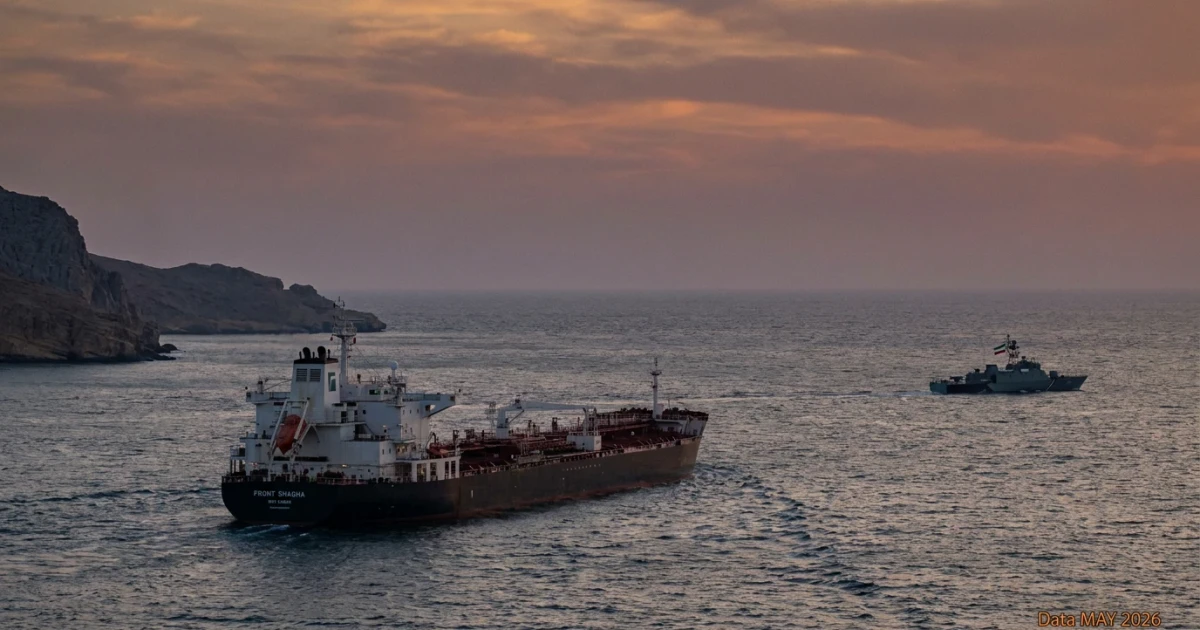
Renewed hostilities in the Strait of Hormuz have sparked fresh concerns for global energy markets, as the United Arab Emirates (UAE) announced that Iran has resumed attacks in the region just as the United States seeks to restore freedom of navigation through the strategic waterway, according to NPR. The Strait, a narrow passage connecting the Persian Gulf with the Gulf of Oman and the Arabian Sea, serves as a critical chokepoint for the world's oil supplies.
The Strategic Role of the Strait of Hormuz
The Strait of Hormuz is widely regarded as one of the most important maritime passages globally. According to data from the U.S. Energy Information Administration, roughly 20% of global petroleum liquids and a significant portion of the world’s liquefied natural gas pass through this narrow waterway each year. Disruptions here can send shockwaves through international energy markets, affecting prices and supplies worldwide.
- In 2023, an estimated 21 million barrels of oil per day transited the Strait.
- The waterway is bordered by Iran to the north and the UAE and Oman to the south, making it a flashpoint for regional tensions.
Recent Attacks and Escalating Tensions
The UAE’s announcement regarding the resumption of Iranian attacks comes amid a period of heightened tension. While the full details of the most recent incidents have yet to be publicly disclosed, past years have seen a pattern of attacks on commercial vessels, often attributed to Iranian forces or their proxies. Such incidents have ranged from the seizing of oil tankers to missile and drone attacks, causing significant disruption and raising the risk of broader conflict.
The International Maritime Organization tracks maritime security incidents in the Strait of Hormuz, highlighting the persistent risks faced by commercial shipping in the area. The ICS Shipping Security Report details previous attacks and the growing sophistication of asymmetric threats, emphasizing the need for robust international cooperation to safeguard this vital route.
U.S. Moves to Reopen the Strait
In response to the renewed attacks, the U.S. has taken steps to reopen and secure the Strait, deploying naval assets and working with regional allies to restore safe passage. American involvement in the region is not new; the U.S. Fifth Fleet, based in Bahrain, has long played a key role in ensuring freedom of navigation and deterring potential threats in the Gulf.
Efforts to reopen the Strait come amid the backdrop of ongoing UN Security Council sanctions on Iran, which have included arms embargoes and other measures in response to Iran’s nuclear activities and regional interventions. These dynamics complicate diplomatic efforts and increase the likelihood of incidents with regional or global repercussions.
Impacts on Energy Markets and Global Security
The resumption of attacks in the Strait of Hormuz immediately reverberates through energy markets. Even the threat of disruption can cause price spikes, given the volume of oil and gas reliant on safe passage through the Strait. The region’s volatility underscores the vulnerability of the global energy supply chain to geopolitical shocks.
Analysts point out that while military efforts can help reopen the Strait in the short term, long-term stability will require ongoing diplomatic engagement and regional cooperation. Maritime security initiatives, such as those coordinated by the International Maritime Organization, play a critical role in monitoring threats and fostering communication among affected stakeholders.
Looking Ahead
As the situation develops, the international community is watching closely for further escalation or signs of de-escalation. The ability of the U.S. and its allies to maintain open shipping lanes in the Strait of Hormuz will be pivotal not only for regional security but for the stability of global energy markets. Continued monitoring, diplomatic efforts, and coordinated security measures remain essential in addressing the complex challenges posed by renewed Iranian activity in this strategic maritime corridor.