US News
Tensions Rise as Iran Seeks Control Over Strait of Hormuz
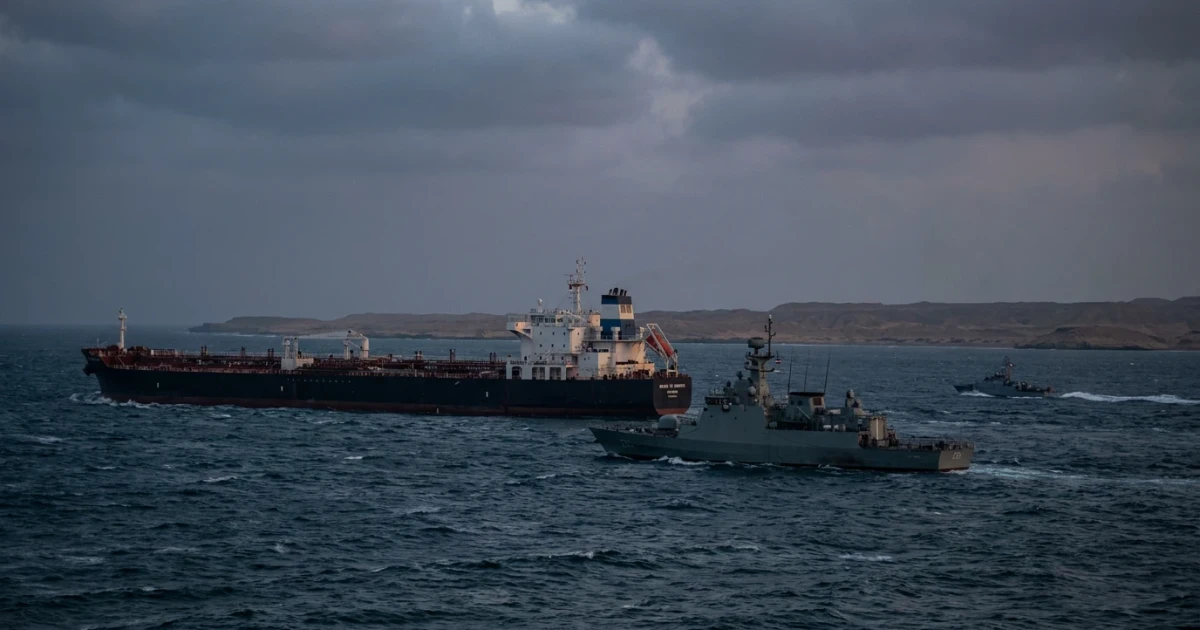
Mounting tensions in the Persian Gulf have drawn international attention as Iran seeks to assert control over the Strait of Hormuz, a critical maritime chokepoint for global oil shipments. Amid escalating rhetoric, former President Donald Trump stated that any potential war with Iran "will be over quickly," according to CBS News.
The Strategic Importance of the Strait of Hormuz
The Strait of Hormuz is widely regarded as one of the world's most significant maritime passages. Approximately one-fifth of global oil consumption passes through this narrow waterway, which connects the Persian Gulf to the Gulf of Oman and the Arabian Sea. Data from the U.S. Energy Information Administration shows that in recent years, nearly 21 million barrels of oil per day have transited the strait, underscoring its importance to global energy markets.
- The strait is only 21 miles wide at its narrowest point, making it a highly vulnerable chokepoint for maritime traffic
- Major oil exporters—including Saudi Arabia, Iraq, the United Arab Emirates, and Kuwait—rely on the strait for access to international markets
- According to UNCTADstat, the volume of goods transported by sea through the strait is among the highest for any global shipping lane
Iran’s Claim and International Response
Iran’s renewed claims over the Strait of Hormuz come at a time of heightened tensions with the United States. CBS News reported that Tehran is actively seeking to lay claim to the waterway, which has long been a source of contention between Iran and its neighbors, as well as Western powers. Iranian officials have historically cited security concerns and regional sovereignty, asserting that the strait falls within their territorial waters—a position that is disputed by the United States and many international maritime authorities.
The International Maritime Organization recognizes the strait’s unique status under international law, emphasizing the importance of freedom of navigation while highlighting ongoing security risks stemming from the region’s volatility.
U.S. Stance and Diplomatic Efforts
Amid these developments, CBS News highlighted that both Washington and Tehran are engaged in diplomatic exchanges. Iran is reportedly reviewing a U.S. proposal, with sources indicating that both sides are making moves toward potential negotiations. However, the situation remains fluid, and the risk of miscalculation is significant.
Former President Donald Trump told CBS News that any conflict with Iran would be resolved swiftly. Yet, analysts warn that military action in such a sensitive region could have unpredictable consequences for energy markets and global security.
Global Oil Markets and Security Implications
The prospect of restricted access to the strait has raised concerns about the stability of oil exports from the Persian Gulf. According to the Congressional Research Service, previous incidents in the region—such as tanker attacks and threats to close the strait—have resulted in sharp increases in global oil prices and prompted international naval deployments to ensure safe passage.
Security measures overseen by the International Maritime Organization are in place to safeguard shipping lanes, but the threat of escalation remains a key concern for governments and energy companies alike.
Looking Ahead
As the situation develops, the world is watching closely for signs of either diplomatic progress or further escalation. The outcome will have major implications for regional security, global energy markets, and the balance of power in the Middle East. While both the U.S. and Iran appear to be weighing their options, the fundamental importance of the Strait of Hormuz ensures that any move to restrict access would reverberate far beyond the Gulf region.