World
Tensions Rise as Trump Issues Ultimatum to Iran
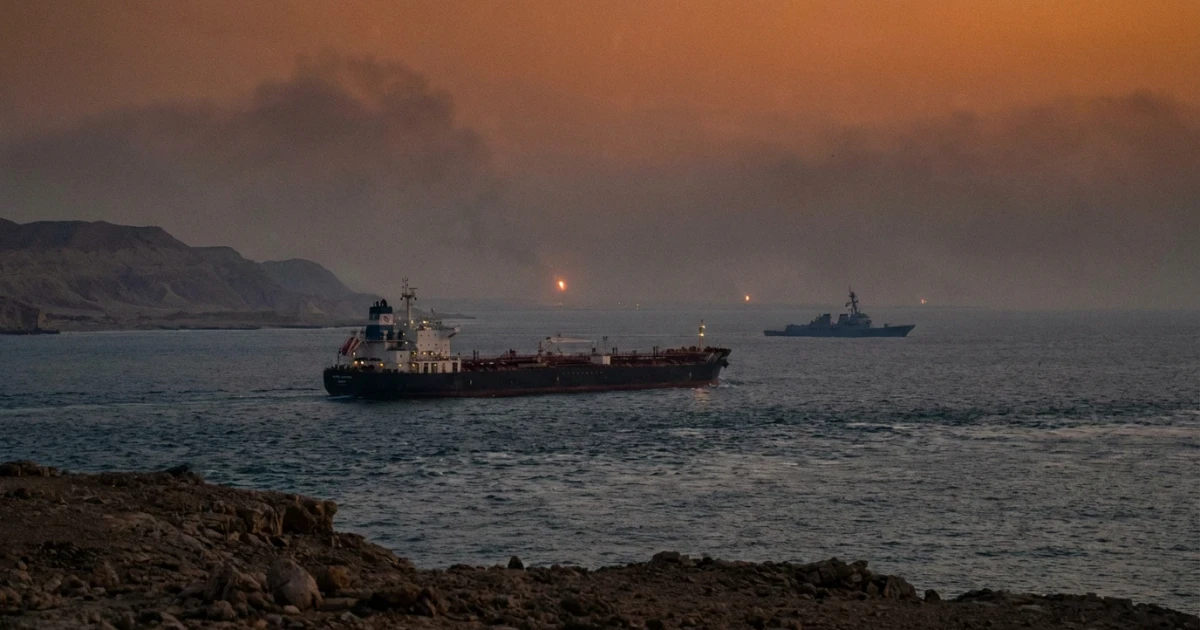
Escalating tensions in the Middle East have reached a new peak as former US President Donald Trump issued a 48-hour ultimatum to Iran, demanding the reopening of the Strait of Hormuz. The situation intensifies against a backdrop of mounting unrest, with reports indicating that about 100 people were injured in Israel amid ongoing conflict.
Ultimatum Over the Strait of Hormuz
The Guardian reported that Trump delivered a stark warning to Iranian authorities, giving them 48 hours to reopen the Strait of Hormuz, a critical waterway for global oil exports and energy transit. The Strait’s closure threatens to disrupt nearly a fifth of the world’s oil supply, making it a strategic flashpoint in the Middle East. According to the Council on Foreign Relations, any sustained blockage could have far-reaching economic impacts, pushing up energy prices worldwide and increasing the risk of military confrontation.
- The Strait of Hormuz handles approximately 21 million barrels of oil per day, representing a significant share of global energy supplies.
- Live vessel tracking data from MarineTraffic shows a sharp decline in ship movements since the closure announcement.
Trump’s demand follows a period of heightened tensions, with the US and its allies concerned over Iran’s recent actions in the region. The ultimatum has raised fears of potential military escalation should Iran refuse to comply.
Injuries Mount Amid Ongoing Violence in Israel
While the focus remains on the Strait of Hormuz, violence continues elsewhere in the region. The Guardian reports that around 100 individuals have been injured in Israel during recent clashes, reflecting the volatility and human cost of the broader Middle East crisis. The UN Office for the Coordination of Humanitarian Affairs’ Middle East Situation Reports provide up-to-date casualty figures and highlight the ongoing humanitarian needs across Israel and neighboring areas.
According to the latest Israel Defense Forces (IDF) operational updates, emergency services are responding to multiple incidents, with medical teams deployed to treat both civilians and security personnel. The situation remains fluid, with the risk of further escalation if diplomatic efforts fail to ease tensions.
Regional and Global Repercussions
The crisis has prompted concerns over the potential for expanded conflict and economic disruption. The strategic importance of the Strait of Hormuz cannot be overstated, as it serves as the principal maritime route for oil shipments from the Gulf region. According to the IISS Military Balance, both Iran and the US maintain significant naval capabilities in the region, raising the stakes for any confrontation.
Markets responded with volatility, and energy analysts warn that protracted disruptions could lead to fuel shortages and price spikes globally. The ACLED Conflict Data Dashboard allows readers to track conflict events, fatalities, and trends across the region in real time.
Looking Ahead
As the 48-hour deadline approaches, diplomatic efforts are underway to de-escalate the situation and reopen vital shipping lanes. Regional actors and international organizations are urging restraint and dialogue to prevent further violence and humanitarian suffering. The coming days will be critical in determining whether the region can avoid a deeper crisis or faces a new surge of conflict and instability.