Politics
Tensions Rise as Trump Warns Iran and Rubio Addresses Senate on Venezuela
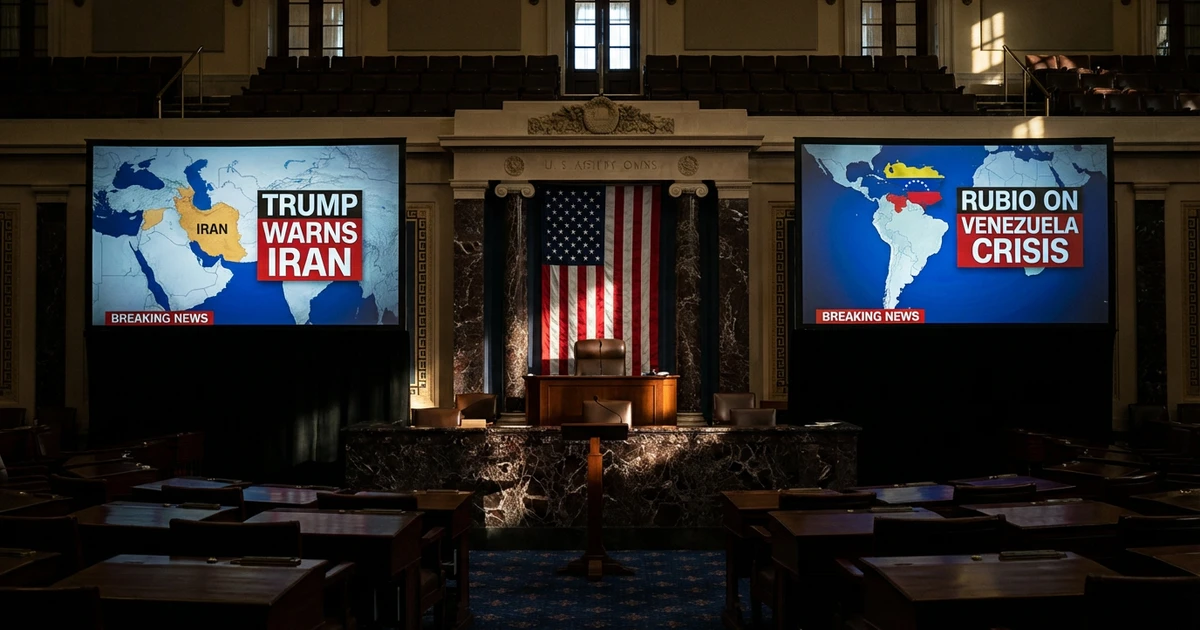
President Donald Trump escalated the U.S. administration’s rhetoric toward Iran with a new warning, even as Senator Marco Rubio took the spotlight in the Senate, testifying on the ongoing crisis in Venezuela. These parallel developments underscore the Trump administration’s active engagement in critical foreign policy challenges in the Middle East and Latin America.
The Trump Administration’s Warning to Iran
According to recent reports, President Trump issued a pointed warning to Iran, signaling the administration’s intent to hold Tehran accountable for actions perceived as hostile to U.S. interests. While the specific content of the warning was not detailed in the reports, the timing aligns with ongoing tensions in the region, where the U.S. has expressed concern over Iran’s regional influence and activities.
- Recent months have seen increased rhetoric between Washington and Tehran.
- The administration’s stance reflects a broader strategy of maximum pressure on the Iranian government.
- This warning comes amid a backdrop of sanctions and diplomatic efforts aimed at curbing Iran’s regional ambitions.
Senator Rubio’s Senate Testimony on Venezuela
On the same day, Senator Marco Rubio addressed the Senate, focusing on the deteriorating situation in Venezuela. Rubio’s testimony emphasized the U.S. government’s support for democratic reforms and its opposition to the Maduro regime. The Senate hearing highlighted bipartisan concern about the humanitarian and political crisis gripping Venezuela.
- Rubio has been a vocal advocate for increased pressure on the Maduro government.
- His testimony before the Senate reinforced calls for targeted sanctions and international coordination.
- The Senate discussion reflected broad agreement on the need to address both the humanitarian and political dimensions of the Venezuelan crisis.
Foreign Policy at the Forefront
The confluence of these two events demonstrates the administration’s prioritization of foreign policy at a time of global volatility. The warning to Iran and the Senate focus on Venezuela are both indicative of the White House’s willingness to take assertive positions on international affairs.
Observers note that the administration’s dual-track approach—confronting adversarial regimes in both the Middle East and Latin America—signals a commitment to defending U.S. interests and promoting democratic values abroad. The outcomes of these policies remain uncertain, but the administration’s messaging is clear: hostile actions by adversaries will be met with firm responses, and support for democratic movements will continue to be a cornerstone of U.S. policy.
Looking Ahead
As tensions with Iran persist and the crisis in Venezuela deepens, the administration’s strategies will be closely watched by allies and adversaries alike. Congressional testimony and executive warnings are likely to be the first steps in a series of policy actions aimed at shaping outcomes in these volatile regions.
For more on these developments, follow official statements from the White House and track updates from the U.S. Senate.
Sources
- [1]CNN