US News
Tensions Rise as U.S. Issues Warning to Iran Amid Israel-Lebanon Conflict
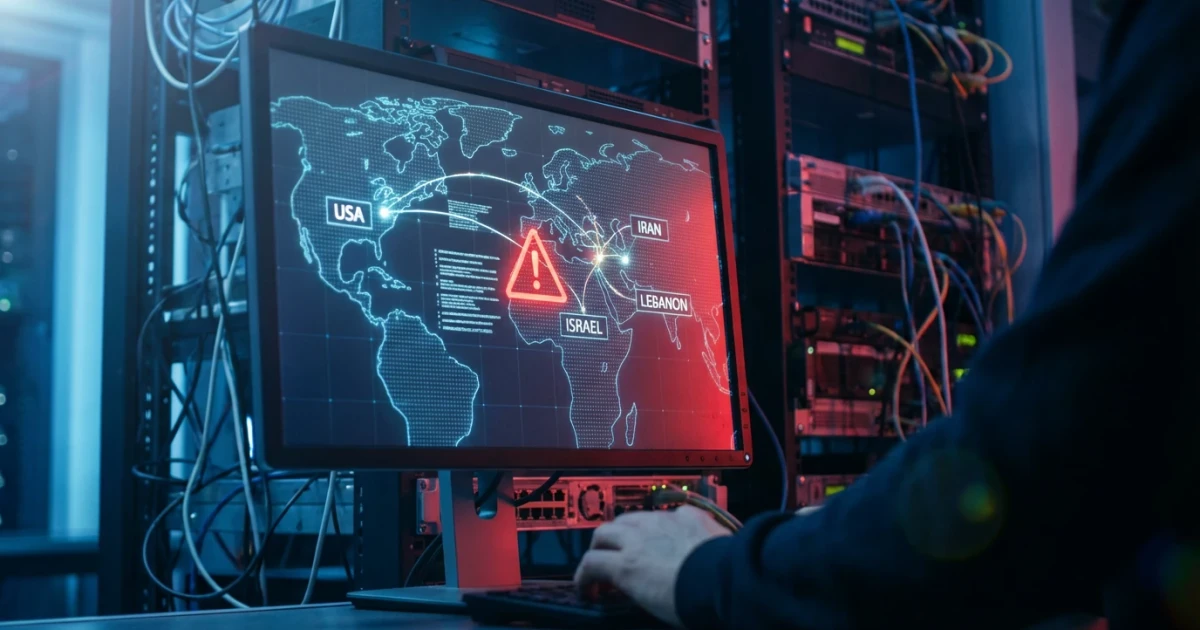
Uncertainty over a possible ceasefire in the Israel-Lebanon conflict is growing after former President Donald Trump issued stern warnings to Iran, raising fears of broader regional escalation. The dispute comes as international efforts to halt fighting on the Israel-Lebanon border face new obstacles, with diplomatic tensions and military posturing intensifying across the Middle East.
U.S. Warnings Heighten Regional Tensions
During recent remarks, Trump stated that the U.S. military should remain near Iran, warning of readiness for a "next conquest" if provoked. While the specific details of U.S. military deployments were not outlined, these comments come at a delicate moment for the region. CBS News reported that Trump's statements were made against the backdrop of ongoing debates over Israel's military operations in Lebanon and the role of Iran in supporting militant actors in the region.
Trump's rhetoric underscores longstanding U.S. concerns over Iran's involvement with groups like Hezbollah in Lebanon. The U.S. has repeatedly accused Iran of providing financial and military support to Hezbollah, which has been a critical factor in the protracted conflict between Israel and Lebanon.
Ceasefire Prospects in Doubt
Hopes for a ceasefire between Israel and Lebanon have fluctuated in recent weeks. International mediators, including the United Nations, have urged both sides to de-escalate. However, with Trump's remarks signaling possible U.S. involvement and hinting at military readiness, the likelihood of a near-term ceasefire has been cast into doubt. Diplomatic channels remain open, but both sides are reportedly preparing for the possibility of continued hostilities.
According to analysts cited by CBS News, the presence of U.S. forces in the region is intended as a deterrent to both Iran and Hezbollah. However, this posture could also complicate negotiations, as each party gauges the other's willingness to escalate or back down.
Iran's Role and Regional Implications
Iran's influence is central to the current dispute. Its support for Hezbollah is well-documented by organizations such as the Stockholm International Peace Research Institute (SIPRI), which tracks arms transfers and military aid across the region. U.S. officials frequently reference UN Security Council sanctions documents to bolster claims of illicit Iranian arms transfers and violations of international agreements.
- Hezbollah is a heavily armed Shiite militia and political party in Lebanon, widely recognized as Iran's closest regional proxy.
- Iran has faced international scrutiny and sanctions over its regional activities, including support for armed groups in Lebanon and Syria.
- Any U.S.-Iran confrontation risks broader destabilization, with potential impacts on oil prices, refugee flows, and regional humanitarian crises.
Humanitarian Impact and International Concerns
As conflict continues, humanitarian organizations report mounting casualties and displacement in both Israel and Lebanon. Data from the UN OCHA Humanitarian Data Exchange highlights the ongoing toll of the fighting, with thousands forced to flee their homes and critical infrastructure under threat. The international community, including the European Union and the United Nations, has called for restraint and the protection of civilians.
Analysis: What Comes Next?
The situation remains highly fluid. Trump's warning to Iran, coupled with the unresolved Israel-Lebanon conflict, increases the risk of a wider confrontation. While some analysts believe U.S. military presence may deter further escalation, others warn it could provoke miscalculation by regional actors.
Diplomatic efforts are ongoing, but the prospects for a durable ceasefire are uncertain as long as underlying tensions between the U.S., Iran, Israel, and Lebanon persist. Continued vigilance and engagement by international mediators will be critical to preventing a broader conflict and alleviating the growing humanitarian crisis.