US News
Tensions Rise as U.S. Plans Ship Guidance in Strait of Hormuz
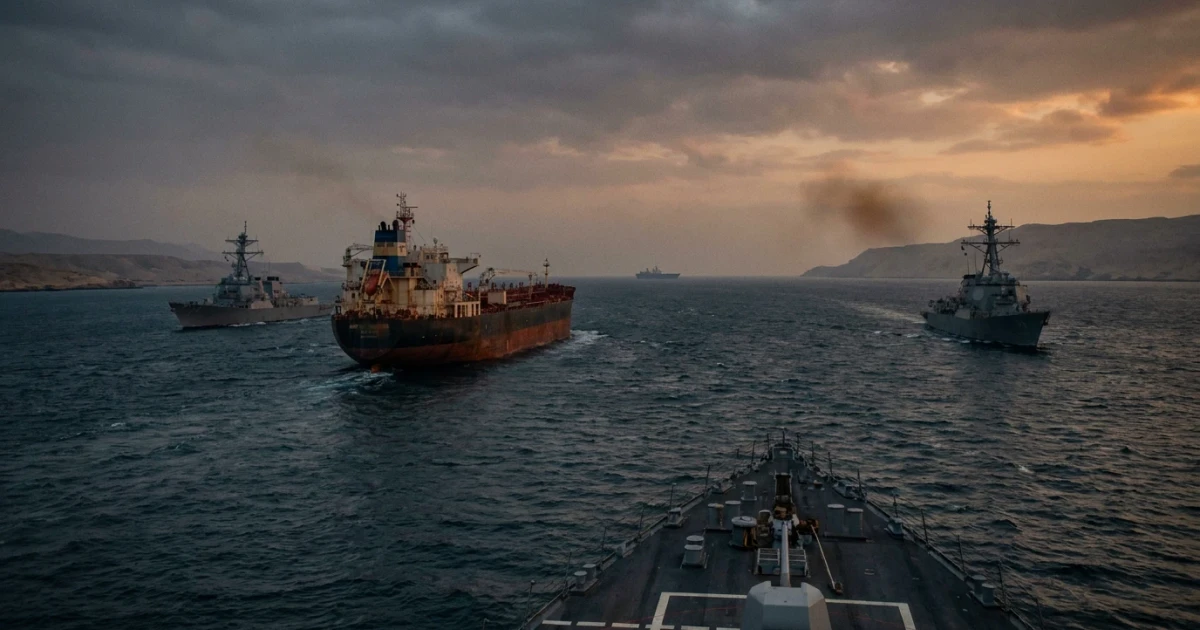
Escalating tensions in the Persian Gulf took center stage this week as Iran threatened retaliation following President Trump’s announcement that U.S. forces will begin guiding commercial ships through the Strait of Hormuz. The move, confirmed by both NBC News and the Washington Post, has triggered warnings from Tehran and renewed international focus on maritime security in one of the world’s most critical oil transit points.
U.S. Announces Ship Guidance Operations
President Trump stated that the United States will commence guiding vessels through the Strait of Hormuz, a narrow waterway where nearly one-fifth of global oil supplies transit daily. NBC News reported Trump’s declaration came amid concerns over recent threats to commercial shipping and heightened instability in the region. The administration’s plan, according to the Washington Post, is intended to ensure the safe passage of oil tankers and other commercial ships, especially following a series of incidents involving attacks and harassment in the Gulf.
- The U.S. Energy Information Administration notes that the Strait of Hormuz is crucial for the global energy market, with over 20 million barrels of oil per day passing through.
- Recent maritime data from UNCTADstat indicates that tanker traffic remains high, despite regional tensions.
Iran Responds with Retaliation Threats
Iran’s reaction was swift and pointed. According to live updates from the Washington Post, Iranian officials warned that any American military presence guiding ships in the Strait would be considered a provocation and could lead to attacks. Tehran’s statements underscored longstanding Iranian concerns over foreign naval operations near its territorial waters and the potential for escalation.
The Washington Post reported that Iranian leaders accused the U.S. of increasing instability and called the new guidance operations “dangerous.” While no direct military actions have occurred yet, Iran’s rhetoric heightened anxieties about the potential for armed conflict in the Gulf. The region has a history of maritime confrontations, as outlined in the Council on Foreign Relations backgrounder on Persian Gulf armed conflict.
Strategic Importance of the Strait
The Strait of Hormuz remains a flashpoint due to its strategic role in global energy flows. Analysis from The Maritime Executive highlights the vulnerability of oil and gas exports from Gulf states, with Iran itself exporting significant volumes via this route. OPEC data shows Iran is a major oil exporter, and any disruption in the Strait could have global economic repercussions.
- OPEC’s official export statistics reveal that Iran shipped millions of barrels annually through the Strait, emphasizing the economic stakes.
- International maritime law, as discussed in Lawfare’s legal framework analysis, permits freedom of navigation but leaves room for disputes over military guidance and security operations in such sensitive waters.
Security Concerns and International Response
The U.S. move is part of broader security cooperation with Gulf allies. The Department of State’s summary of U.S. security cooperation details ongoing joint patrols and naval exercises aimed at deterring threats to commercial shipping. While Washington emphasizes safety and stability, Iran views these operations as infringements on its sovereignty.
Both NBC News and the Washington Post note that the international community is watching closely, with European and Asian countries dependent on uninterrupted oil flows. Maritime insurers and ship owners are reportedly reassessing risks, and some experts warn that even a brief conflict could spike oil prices and disrupt global supply chains.
Analysis and Outlook
The U.S. plan to guide ships through the Strait of Hormuz marks a significant escalation in efforts to protect commercial interests, but it also risks provoking a direct confrontation with Iran. While both sides have signaled determination, the situation remains highly volatile. Past experience suggests the possibility of diplomacy, but the threats exchanged this week underscore the ongoing fragility of the region’s security environment.
As events continue to unfold, the world’s energy markets and shipping industries will be closely monitoring developments. The strategic and economic importance of the Strait means that any disruption could have far-reaching consequences, making prudent navigation and international cooperation essential to maintaining stability.