World
Tensions Rise Over Control of Strait of Hormuz
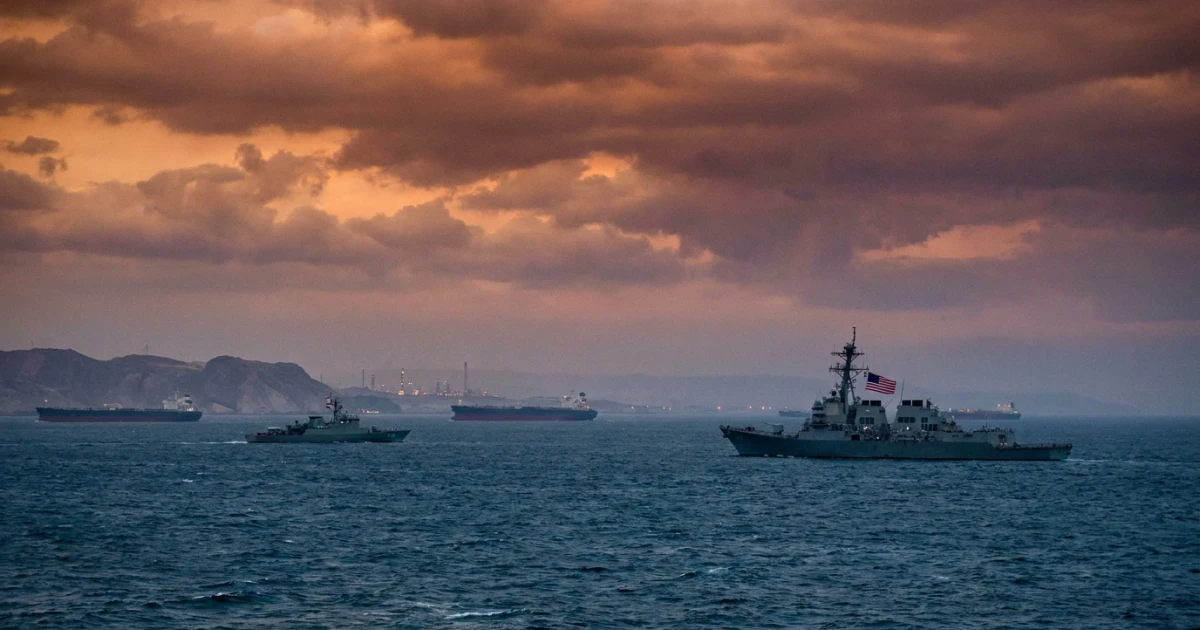
Diplomatic tensions between Iran and the United States have intensified following recent statements from both countries over the strategic Strait of Hormuz. Iranian officials declared that they "cannot trust the Americans at all," while former President Donald Trump asserted, "we control" the vital maritime passage, according to reporting from CBS News.
Strait of Hormuz: A Critical Maritime Chokepoint
The Strait of Hormuz is one of the world's most crucial shipping lanes, with roughly one-fifth of global oil consumption transiting the narrow waterway. The United States has long maintained a military presence in the region, citing the need to ensure the free flow of commerce and protect allied interests. Data from the U.S. Department of Transportation Maritime Administration highlights consistent high volumes of oil and liquefied natural gas passing through the strait each year.
Escalating Rhetoric and Military Posturing
The latest exchange comes as both nations signal hardened positions. CBS News reported that Iranian leaders openly expressed their distrust of the United States, emphasizing, "we cannot trust the Americans at all." In a parallel development, Donald Trump, whose administration has been vocal about U.S. interests in the region, stated, "we control" the Strait of Hormuz. This rhetoric underscores the ongoing contest for influence over this strategic waterway.
The Pentagon is reportedly considering renaming its Iran contingency war plan to "Sledgehammer" if a ceasefire is not achieved, signaling ongoing preparations for possible military scenarios. The U.S. maintains a robust naval presence in the Gulf to deter disruptions to shipping, a posture shaped by frequent tensions and incidents involving Iranian forces in the past.
Geopolitical and Economic Stakes
- According to the U.S. Energy Information Administration, Iran is a major oil exporter, and any threat to shipping through the Strait of Hormuz could impact global energy markets.
- Analysis from the Council on Foreign Relations notes that the strait’s closure or disruption has the potential to spike oil prices and destabilize global supply chains.
- The International Maritime Organization routinely monitors maritime security incidents in the area, reflecting the persistent risk of escalation between military assets operating in close proximity.
Background: History of Suspicion and Strategic Competition
The U.S.-Iran relationship has been marked by distrust and periodic confrontation for decades. Recent years have seen heightened tensions, with both sides accusing each other of provocations and interference. The Strait of Hormuz has often been the focal point for these disputes, given its outsized role in regional security and the global energy market.
International Concerns and Forward Outlook
Global stakeholders, including major energy importers and shipping companies, are closely monitoring developments. Any military confrontation or prolonged standoff could jeopardize maritime security and disrupt vital oil shipments. International organizations, such as the United Nations Security Council, continue to call for restraint and diplomatic engagement.
While the Pentagon's consideration of renaming its Iran war plan to "Sledgehammer" reflects military readiness, most analysts agree that both sides have strong incentives to avoid direct conflict, given the economic and humanitarian risks involved. The coming weeks may prove critical as diplomatic channels are tested and regional actors seek to de-escalate tensions in this globally significant corridor.