US News
Tensions Rise Over Iran’s Latest Nuclear Proposal
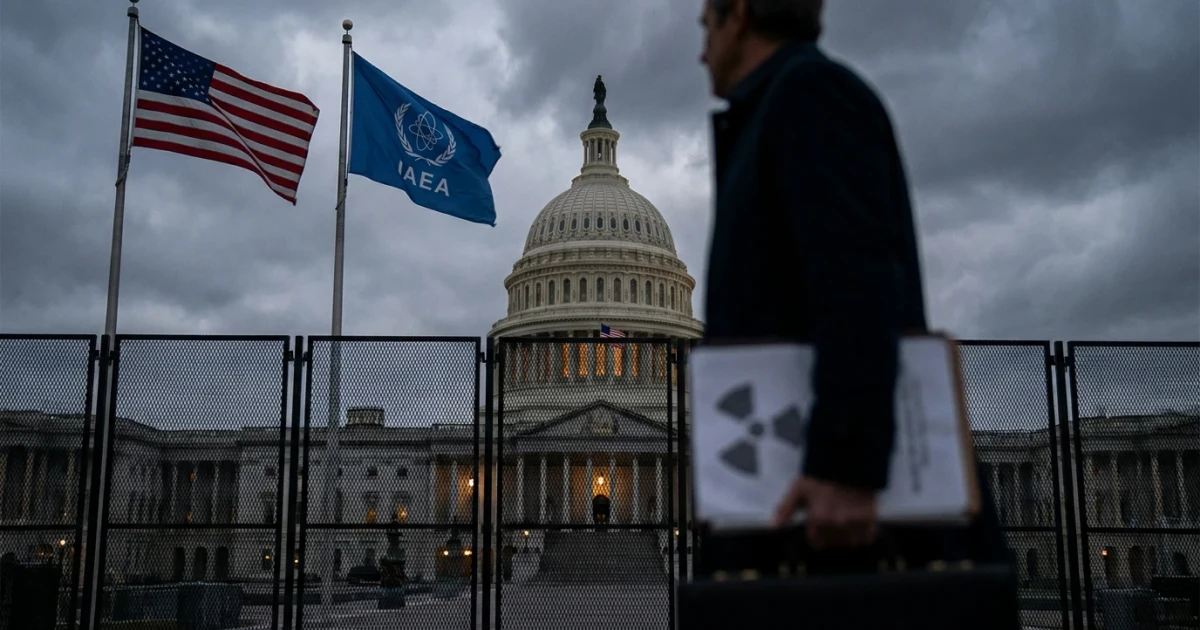
Diplomatic negotiations between the United States and Iran hit another impasse as Iran’s latest proposal regarding its nuclear program was met with outright rejection by former U.S. President Donald Trump, who called Tehran’s response 'totally unacceptable,' according to The New York Times. The continued standoff underscores the persistent complexities in efforts to resolve longstanding disputes over Iran’s nuclear ambitions and U.S. sanctions policy.
Details of Iran’s Proposal
Al Jazeera reported that Iran recently submitted a comprehensive proposal aimed at addressing concerns over its nuclear program, as well as offering a framework for the phased lifting of U.S. sanctions. The plan is believed to include the following key elements:
- A commitment to limit uranium enrichment to levels consistent with civilian use, as verified by the International Atomic Energy Agency (IAEA).
- Allowing expanded IAEA inspections at key nuclear sites to increase transparency and build international confidence in Iran’s activities.
- A timetable for the gradual removal of U.S. sanctions, in exchange for verified compliance with agreed nuclear limits.
Al Jazeera’s analysis indicates that the proposal was designed to address core demands from the U.S. and European partners while seeking relief from economic pressures imposed by years of sanctions. The plan appears to have drawn from elements outlined in earlier negotiations on the Iran nuclear deal framework, though it introduced new sequencing and verification mechanisms intended to reassure all sides.
U.S. Reaction and Trump’s Criticism
The U.S. response, as highlighted by The New York Times, was notably critical. Former President Donald Trump, who remains a significant voice in Republican foreign policy circles, dismissed Iran’s counter as insufficient and unworkable. Trump labeled Iran’s reply to the latest U.S. proposal as "totally unacceptable," signaling strong opposition to the terms laid out by Tehran. His remarks reflect a broader skepticism among many U.S. officials toward the effectiveness of incremental concessions from Iran.
While the Biden administration has not yet issued a formal public response, signals from Washington suggest that officials share concerns about the adequacy of Iran’s assurances. The U.S. has consistently called for "permanent and verifiable" restrictions on Iran’s nuclear activities, pointing to past episodes of non-compliance and the need for robust monitoring. Official records from the UN Security Council and U.S. State Department underscore the history of distrust and the centrality of international oversight in ongoing talks.
Sticking Points in Negotiations
Despite both sides expressing a willingness to continue dialogue, key sticking points remain:
- Enrichment Levels: The U.S. and its allies insist on strict limits, referencing IAEA findings that Iran’s enriched uranium stockpiles have exceeded allowed thresholds in recent years.
- Sanctions Relief: Iran demands a clear, scheduled path for lifting sanctions, while the U.S. seeks assurances of compliance before relaxing economic pressure.
- Verification Mechanisms: Both parties disagree over the scope and intrusiveness of inspections required to guarantee Iran’s adherence to any agreement.
According to research from the Brookings Institution, these challenges are deeply rooted in the lack of mutual trust and the legacy of previous failed attempts at rapprochement.
Regional and International Implications
Analysts note that the outcome of these talks will have significant consequences for regional stability, global energy markets, and the future of nonproliferation efforts in the Middle East. Pew Research Center data shows that public opinion in both the U.S. and Iran remains sharply divided over the value of renewed engagement, with surveys indicating persistent skepticism about the prospects for lasting resolution.
What Comes Next?
While Iran’s proposal was intended to break the deadlock, the strong response from Trump and ongoing reservations in Washington suggest that a breakthrough remains elusive. Diplomatic experts emphasize the importance of sustained, detailed negotiations and warn that the alternative—an erosion of existing monitoring mechanisms—could increase tensions and risk escalation.
For now, both sides appear committed to keeping channels open, but the gap between their positions remains wide. As the international community watches closely, the coming weeks will be critical for determining whether a path toward compromise can be found, or if the impasse will deepen further.