Business
Tesla beats Q2 delivery expectations with 480,126 EVs delivered
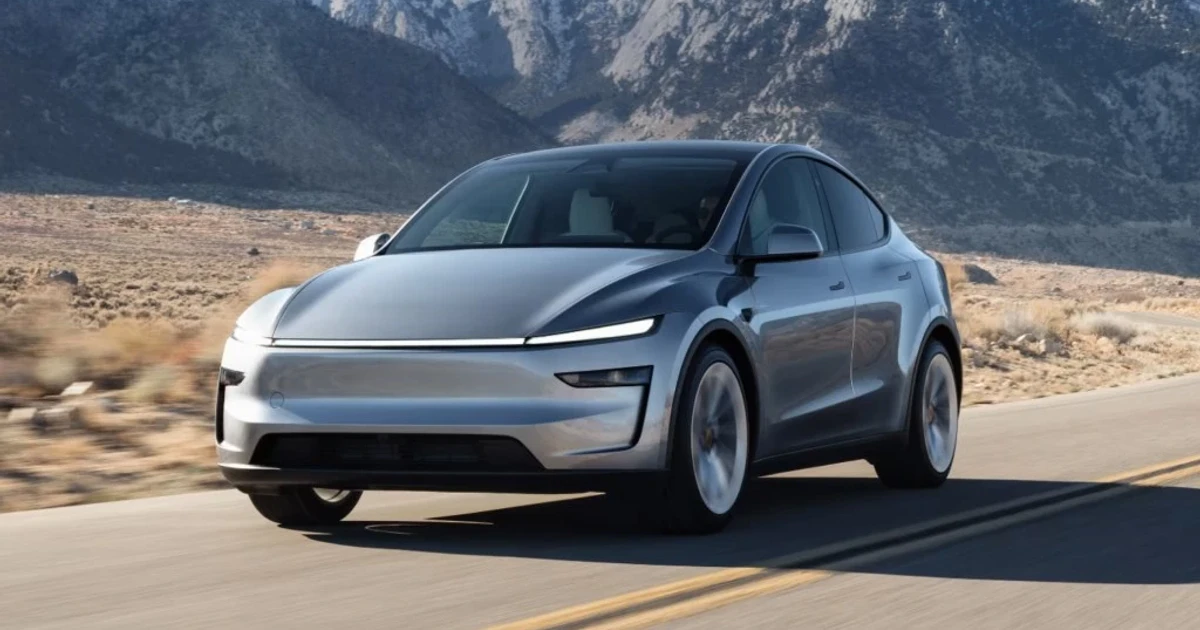
Tesla delivered 480,126 vehicles in the second quarter and produced 451,758, a result that came in well above expectations and lifted total deliveries 25% from a year earlier. The company also said it deployed 13.5 GWh of energy storage products, giving investors another sign that its energy business kept growing alongside auto shipments.
Model 3 and Model Y accounted for 467,762 deliveries, or about 97% of Tesla’s quarterly total. The remaining 12,364 deliveries came from its other models, a mix that shows how dependent the company still is on its mass-market sedan and crossover lines even as it tries to broaden demand with lower-cost versions of the Model 3, Model Y and Cybertruck. Tesla has also expanded Full Self-Driving, Supervised availability in some European markets, another sign it is trying to widen its reach beyond the U.S. market.
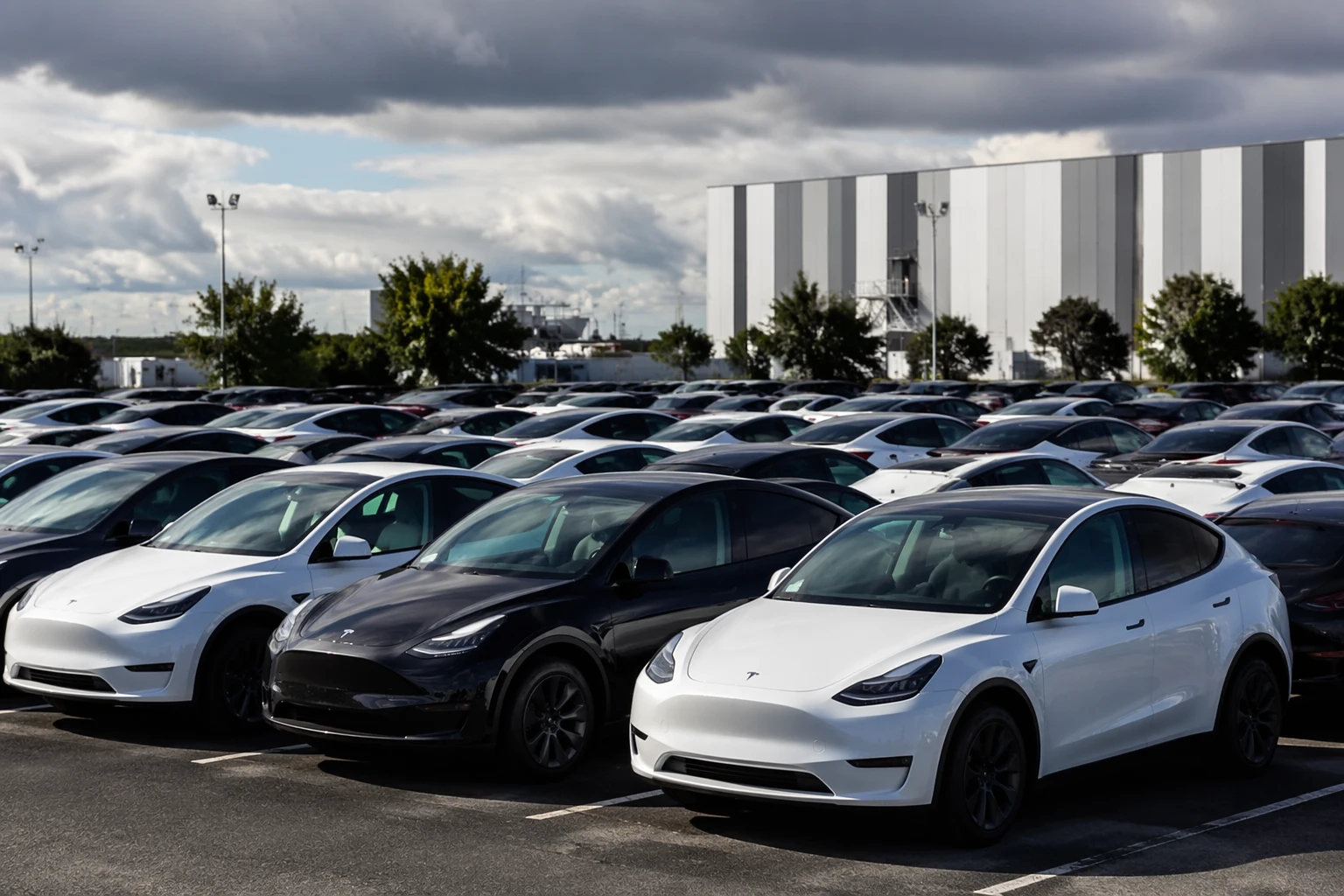
The quarterly result was far ahead of Tesla Investor Relations’ delivery consensus of 406,024 units, based on 22 sell-side estimates. Deliveries also rose 34% from the first quarter’s 358,023 vehicles. Tesla said it will release full second-quarter financial results after market close on Wednesday, July 22, followed by a webcast at 4:30 p.m. Central Time.
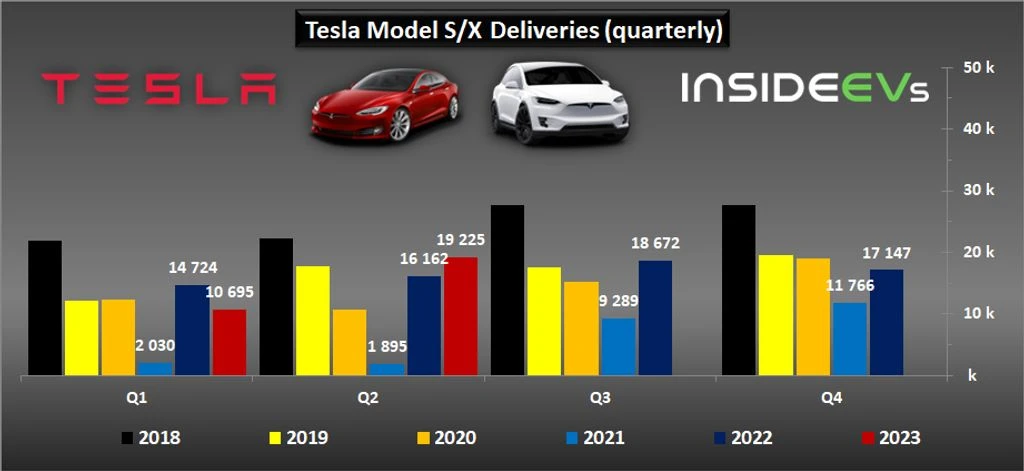
The delivery beat matters because volume alone does not tell the full story. Tesla has warned that deliveries and storage deployments are not the same as quarterly financial results, which will also depend on average selling price, cost of sales and foreign exchange movements. That distinction is critical in an auto market where higher unit sales can still come with shrinking margins if a company has to lean on discounts or cheaper trims to move metal.
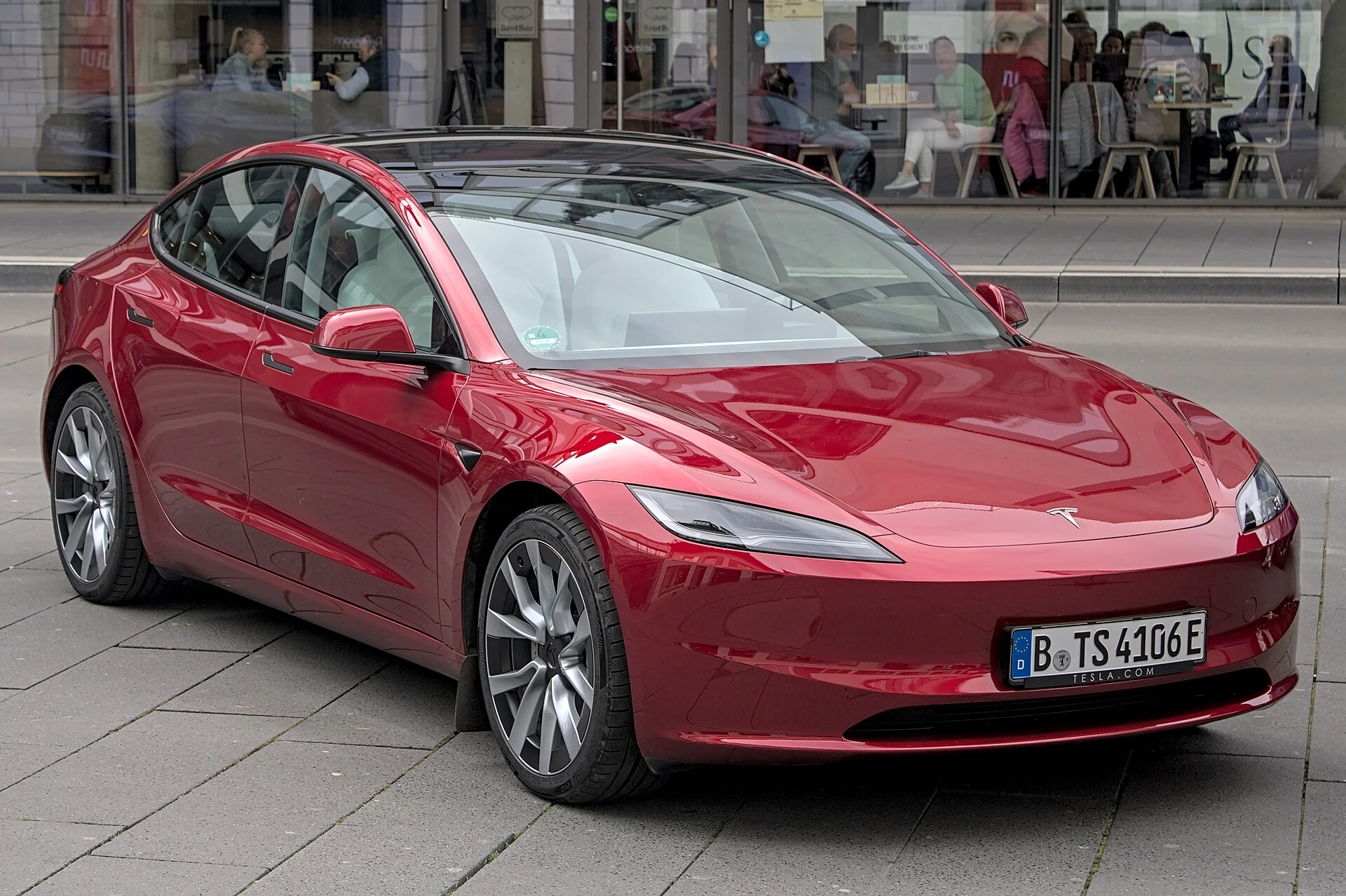
Tesla is trying to recover from consecutive annual declines in vehicle sales, a slide tied in part to backlash against Elon Musk, the loss of a U.S. federal tax credit and intensifying competition from lower-cost EVs made by BYD, Nio and Xiaomi, as well as Hyundai Motor Group and Volkswagen. The question now is whether a rebound built on lower-priced models and broader geographic reach can last in a market that is getting more crowded and more price-sensitive.
Sources
- [1]techcrunch.com
- [2]ir.tesla.com
- [3]cnbc.com