Technology
Tesla faces scrutiny in Europe over safety stats for Full Self-Driving
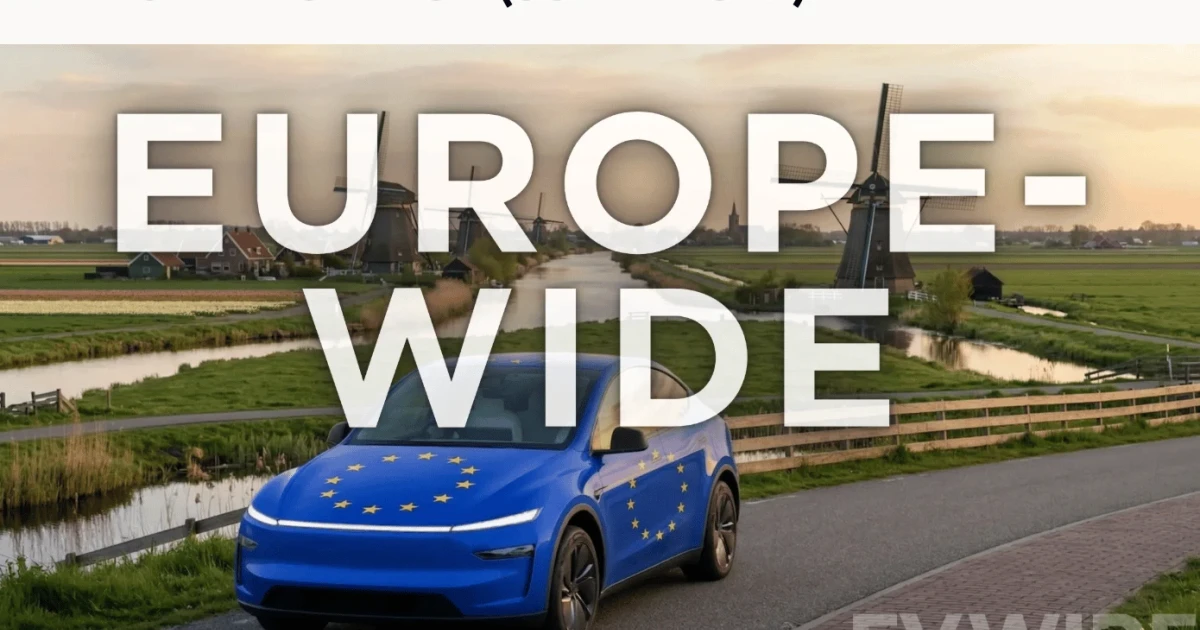
Tesla’s push to expand Full Self-Driving in Europe has turned into a test of regulatory standards, not just software. The Rijksdienst voor het Wegverkeer, known as RDW, issued a type approval for FSD Supervised on April 10 after more than one and a half years of testing on public roads and test tracks, but said the system is not self-driving and that the driver remains responsible.
Tesla approached RDW in late 2024 to begin the approval process. In a November letter, the company linked to its safety report and argued that broader use of FSD would make roads safer. The case has drawn scrutiny because Tesla and Elon Musk have repeatedly claimed the feature is up to 10 times safer than human driving, while an earlier review found invalid comparisons behind the numbers, including one core calculation that inflated the advantage by roughly a factor of three.
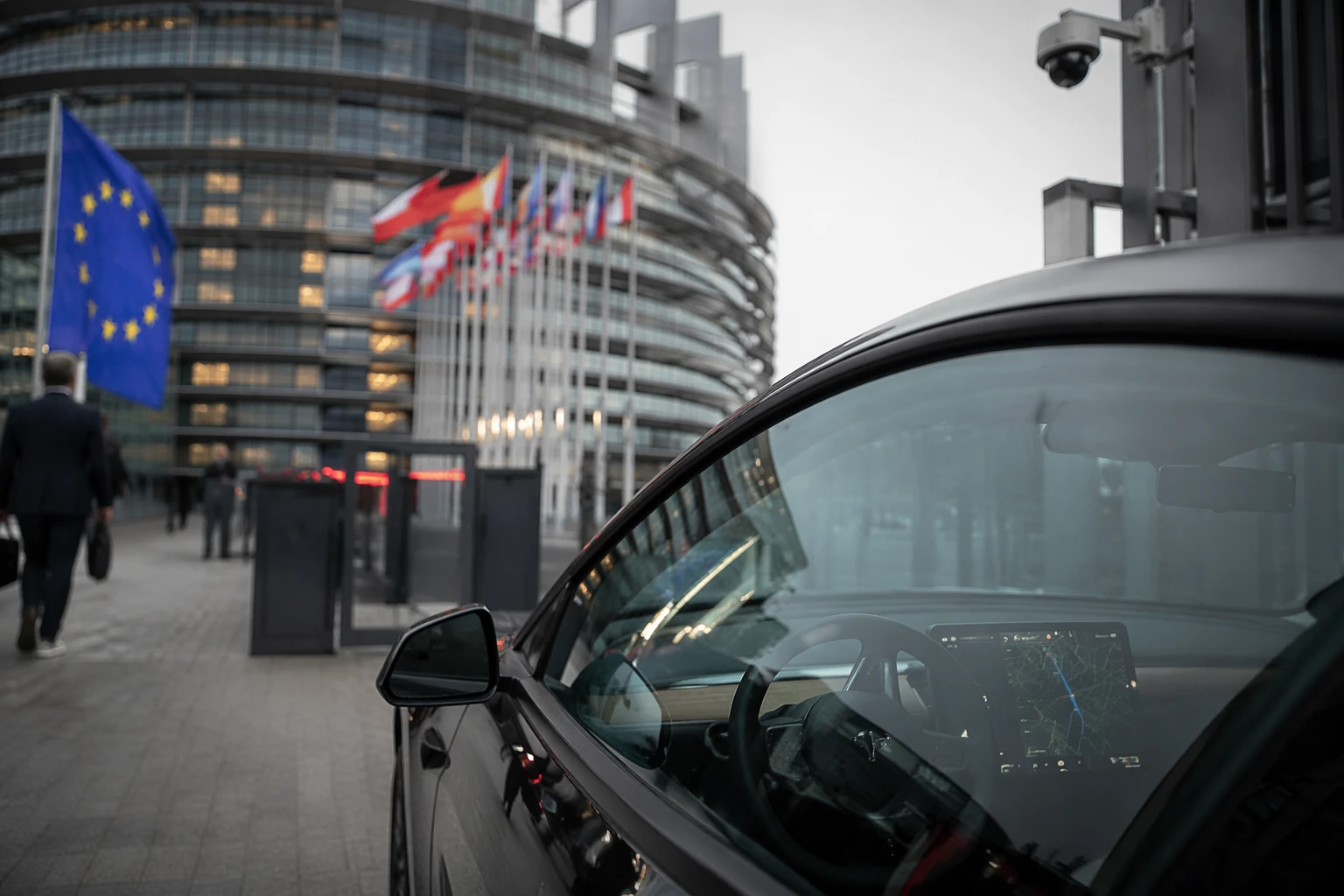
The company kept pressing that argument after the Dutch approval. Tesla policy manager Ivan Komusanac sent Swedish regulators a slide deck claiming Teslas using FSD could travel more than seven times farther between crashes than the average U.S. human driver. The same material said the system could potentially save 32,000 lives and prevent 1.9 million injuries. Traffic-safety researchers who reviewed the methodology described the statistics as misleading marketing rather than a rigorous safety study.
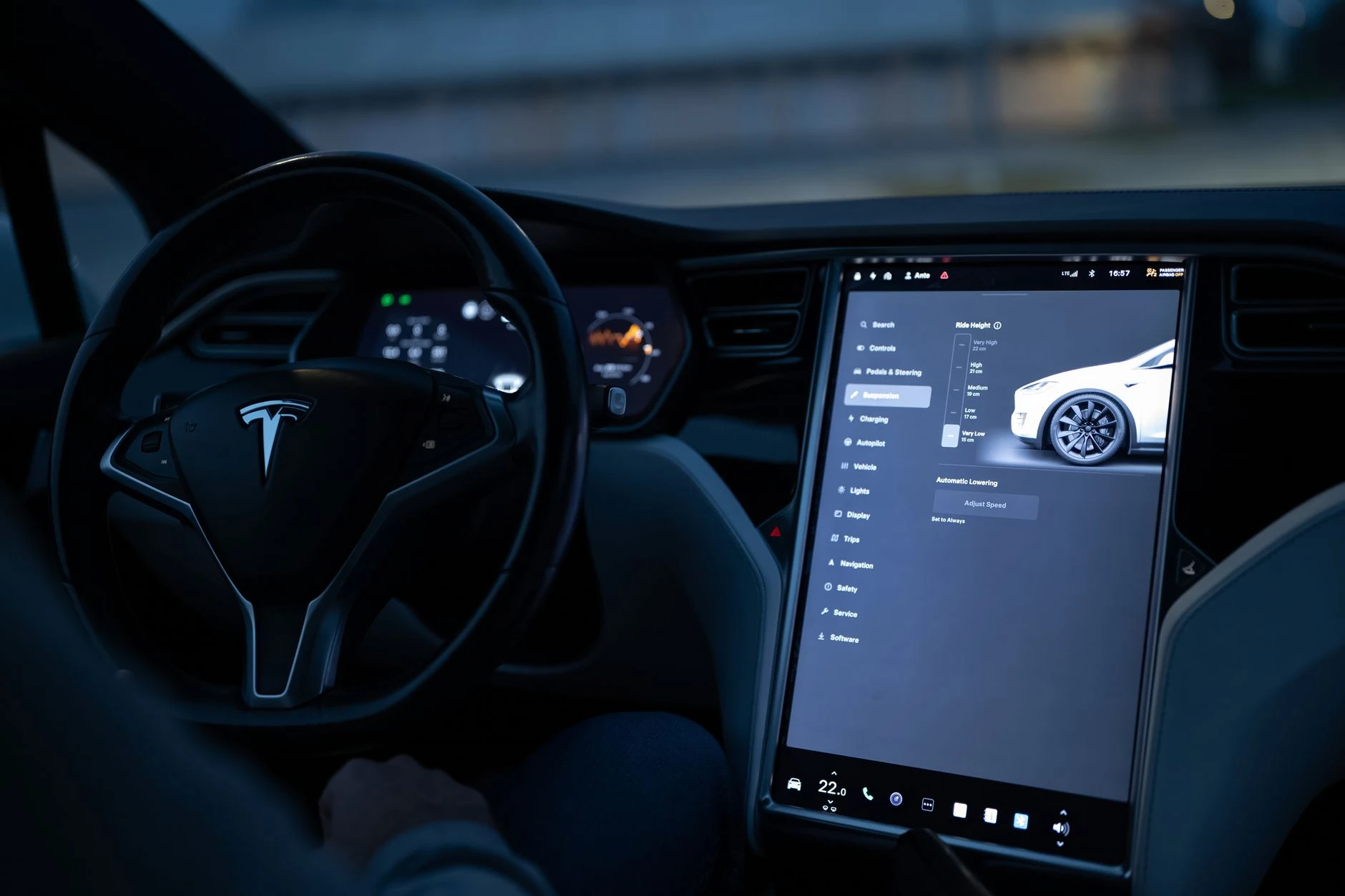
RDW has drawn a sharp line between Tesla’s claims and its own process. The agency said it does not rely on marketing claims or outside statistics, and instead performs its own testing, analysis and verification on public roads and test tracks. The approval also sits within the European regulatory framework for Driver Control Assistance Systems, which entered into force on September 22, 2024 under UN Regulation No. 171.
The Dutch decision has now triggered pushback across the bloc. The European Transport Safety Council sent letters on June 12 to transport ministers in nearly all EU member states, urging them not to recognize the provisional approval until safety questions are answered and independent evidence is provided. For Tesla, the fight over FSD in Europe now hinges on a basic question with broad consequences: whether self-published safety statistics are enough to justify a system that still depends on human supervision on public roads.
Sources
- [1]finance.yahoo.com
- [2]rdw.nl
- [3]etsc.eu
- [4]electrek.co
- [5]eur-lex.europa.eu