Business
Tesla’s ‘Terafab’ Initiative Launches in Austin
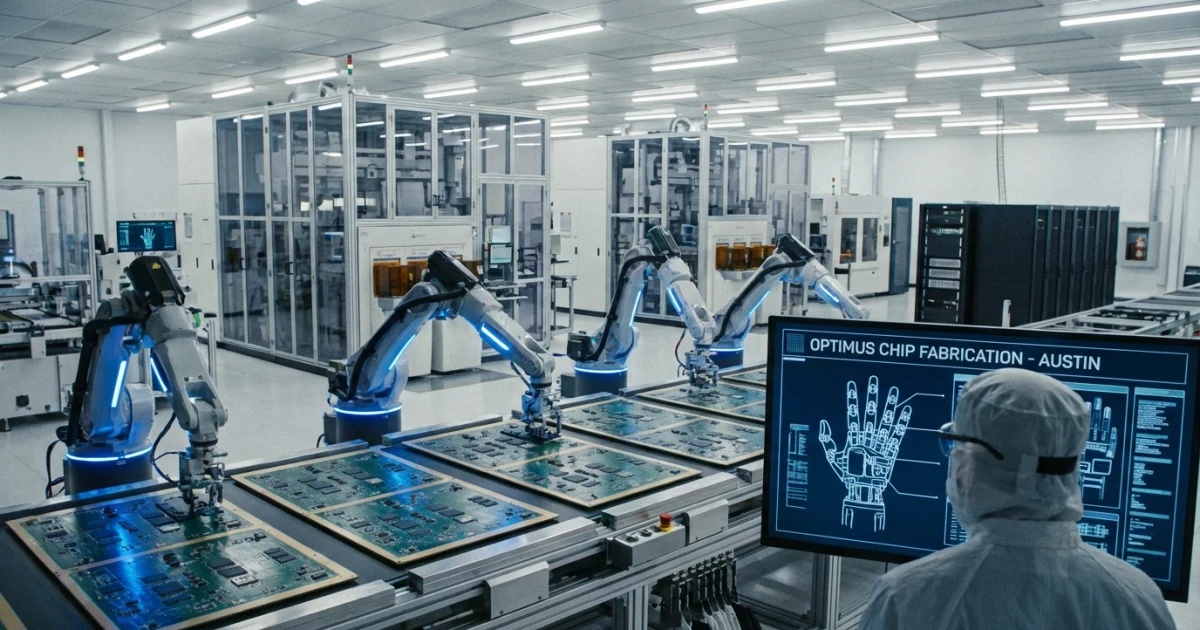
Elon Musk has confirmed that the ambitious ‘Terafab’ manufacturing project—spearheaded by Tesla, xAI, and SpaceX—will launch in Austin, Texas. This major move is designed to tackle the anticipated chip supply gap as Tesla ramps up production of its Optimus humanoid robot and other advanced technologies.
Addressing a Critical Chip Supply Challenge
The launch of Terafab comes as Tesla faces soaring demand for semiconductor chips, especially for the Optimus robot, which reportedly requires up to 200 million chips. This figure, highlighted across industry sources, underscores the scale and urgency of Tesla’s supply chain needs as it pursues advanced robotics and artificial intelligence initiatives.
- Optimus robots are poised to play a central role in Tesla’s manufacturing lines and, eventually, in broader commercial and consumer markets.
- The global automotive semiconductor market continues to expand rapidly, intensifying competition for key components.
By localizing advanced chip production with Terafab in Austin, the initiative aims to mitigate global supply chain disruptions and ensure the long-term viability of Tesla’s manufacturing pipeline.
Integration Across Musk’s Ventures
Terafab is unique in that it brings together resources and expertise from all three Musk-led organizations: Tesla, xAI, and SpaceX. According to Bloomberg, the integration is designed to create synergies in automation, AI research, and scalable chip manufacturing. xAI’s research into advanced AI models is expected to inform both software and hardware requirements, while SpaceX’s experience with high-reliability manufacturing will help optimize production lines.
This collaboration reflects the increasingly interconnected nature of Musk’s companies, with each leveraging its strengths to address shared technological and operational challenges.
Strategic Choice of Austin
Austin has become a focal point for Tesla’s expansion, already hosting the Gigafactory Texas. The selection of Austin for the Terafab project leverages the city’s growing tech ecosystem and proximity to established chip manufacturing infrastructure in Texas. This strategic location is expected to streamline logistics and talent acquisition as the project scales.
Implications for the Broader Industry
Industry analysts note that the demand for 200 million chips highlights the immense computational needs of next-generation robotics and AI systems. As highlighted in the DOE Battery Supply Chain Assessment, domestic manufacturing of high-tech components is becoming increasingly critical for the U.S. industrial base.
- Terafab’s local production aims to reduce Tesla’s exposure to global semiconductor shortages.
- The project could set a precedent for other automakers and robotics companies facing similar supply pressures.
Outlook
The start of Terafab in Austin marks a significant milestone in Tesla’s efforts to scale up advanced robotics and secure its supply chain for critical components. While challenges remain—particularly in sourcing raw materials and ramping production—the integration of Musk’s ventures and the focus on domestic manufacturing position the company to play a leading role in the future of AI-driven automation.