Sports
Texas and Argentina stake their claim as steak capitals
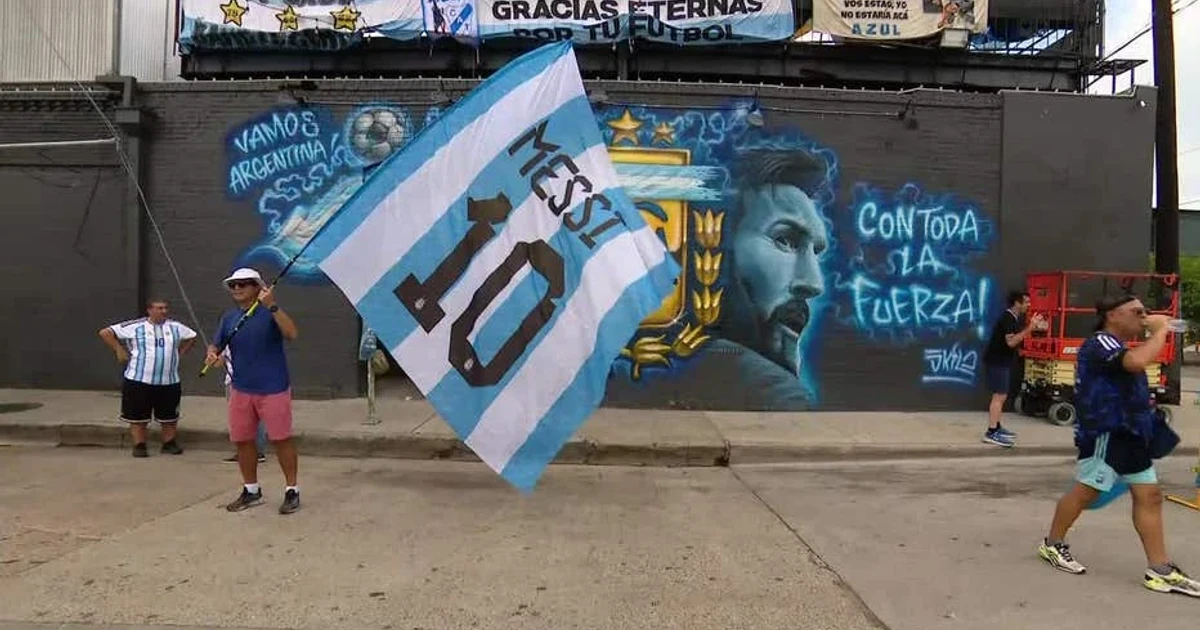
Texas and Argentina are bringing two beef cultures to the same table, and the 2026 FIFA World Cup is giving the contest a crowded audience. About 100,000 Argentina fans are expected in the Dallas-Fort Worth area, where ranchers, pitmasters and local restaurants are preparing for a surge that is as much about national pride as it is about meals. In both places, steak is not just food. It is a marker of belonging, a tourism draw and a way to turn culture into commerce.
Why Texas and Argentina read like rival steak capitals
The numbers explain why this story lands so hard in Texas. The U.S. Department of Agriculture ranks Texas No. 1 in U.S. beef production, with the United States second globally behind Brazil, and Argentina sixth. USDA National Agricultural Statistics Service counted 12.2 million head of cattle and calves in Texas on Jan. 1, 2025, a total that kept the state at the top of the national inventory.
That scale matters because the World Cup is not arriving in a vacuum. It is arriving in a state where cattle are part of the landscape, the economy and the identity of the place itself. When tens of thousands of Argentina supporters pour into Dallas-Fort Worth, the beef story becomes a tourism story too, with restaurants, barbecue joints and event spaces positioned to capture the spending that follows the flags.
How the grill became a public stage
Argentina’s beef culture is built around more than what is on the plate. The City of Buenos Aires Tourism describes asado as a ritual and social event, one that brings friends and family together and depends on teamwork at the grill. That framing makes the meal feel less like a dinner and more like a civic act, a place where hospitality, labor and identity meet.
Texas barbecue carries a different origin story, but it lands in a similar social space. The Texas Historical Commission traces part of the tradition to the years after the Civil War, when cattle were abundant and some Texans barbecued an entire steer to feed large groups before refrigeration. The two traditions share a blunt logic of abundance, yet each turns that abundance into something symbolic: in Argentina, the grill is a family and friendship ritual; in Texas, it is a public way of feeding a crowd.
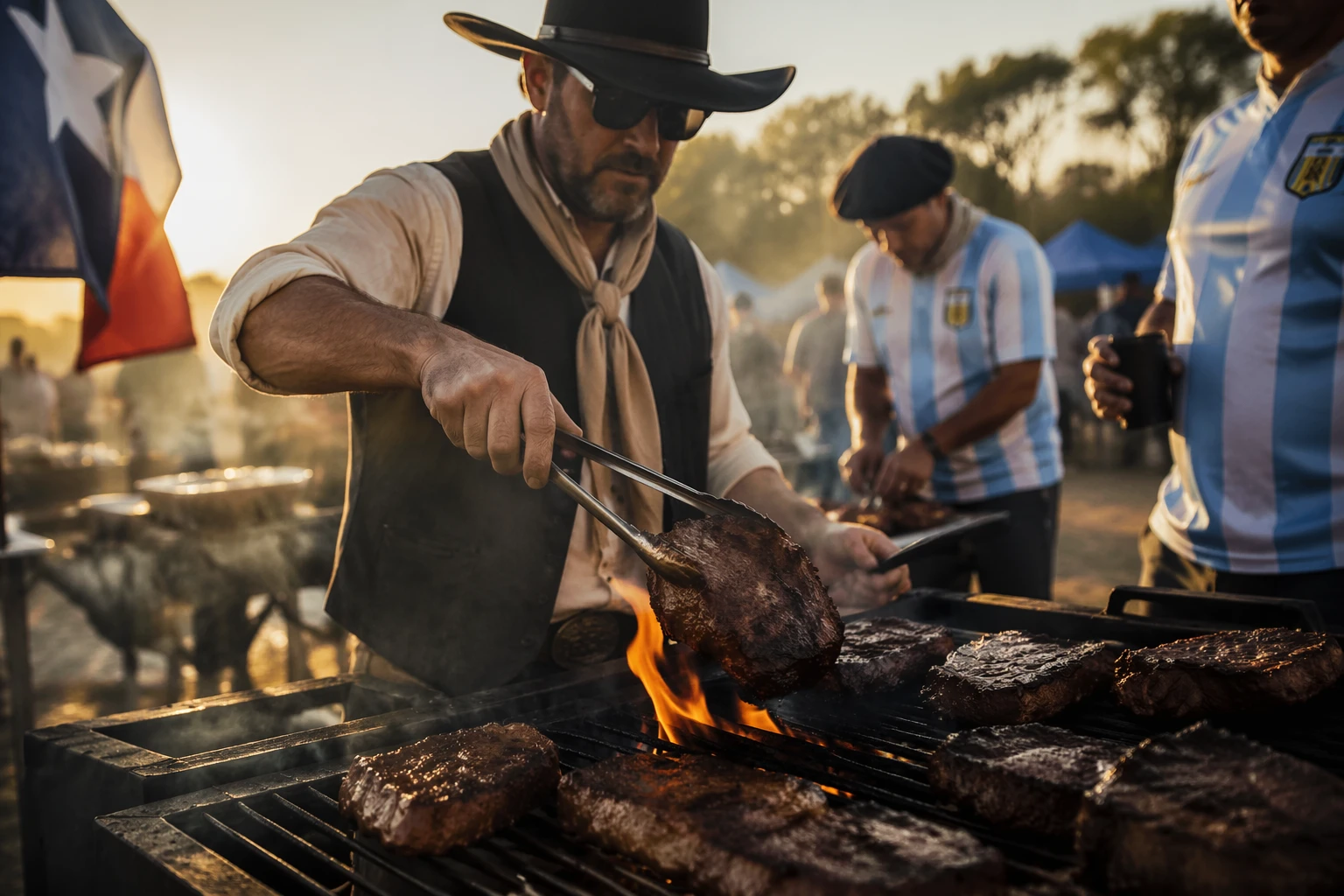
That is why food becomes a proxy for national belonging so quickly when Argentina fans and Texas hosts occupy the same city. The meat on the table is doing more than filling stomachs. It is carrying a story about who belongs, who provides and who gets to define the standard for a proper steak culture.
What the World Cup changes on the ground
The tournament gives those stories a commercial stage. Argentina supporters have already been gathering around grills in North Texas, and the national team has kept its asado tradition alive at training camp in Kansas City. That continuity matters because it shows the grill as part of the team’s identity, not a side note to the competition.
For local restaurants and barbecue businesses, the opportunity is straightforward: a large traveling fan base needs places to eat, gather and spend. Dallas-Fort Worth is not just hosting matches and crowds. It is absorbing a wave of visitors who are likely to chase the comforts of home while also sampling the Texas version of beef hospitality. In that sense, the World Cup is less a novelty food moment than a temporary market where migration, memory and money all meet at the same fire.
The scale of the Argentina crowd also raises the stakes for neighborhoods and workers who will carry the rush behind the scenes. Servers, pit crews, kitchen staff and event workers will absorb the extra demand even as the public image focuses on flags, smoke and celebrity. That is how big sports events often work in practice: the emotional payoff is visible, while the labor behind it stays distributed across hourly jobs and late shifts.
Argentina’s changing beef culture tells a harder story
Argentina’s place in this rivalry is powerful, but it is also changing under economic pressure. A Buenos Aires Times report said beef consumption in Argentina fell to about 44.8 kilos per person in 2024, the lowest in more than a century. The same report put the country’s historical average at 72.9 kilos per person per year.
Those numbers matter because they show that steak is not just a symbol of abundance. It is also a measure of affordability. When a national food ritual gets more expensive, the burden does not fall evenly. Families with less room in their budgets feel the squeeze first, which turns a cultural staple into a question of access and social equity. The menu becomes part of the cost of belonging.
That has public health implications too. When a country’s defining foods become harder to afford, people do not just change what they eat. They change how often they can gather, what they can serve guests and which traditions survive intact. In Argentina, the decline in beef consumption suggests a culture negotiating with inflation and scarcity even as it presents itself on a world stage through the asado.
The real contest is over meaning, not just meat
Texas and Argentina are both staking a claim to steak capital status, but they are doing it in different registers. Texas brings cattle numbers, ranching depth and a barbecue tradition shaped by postwar abundance. Argentina brings ritual, teamwork and a national identity that still treats the grill as a social center even when beef becomes more expensive.
The World Cup is forcing those identities into the same frame in Dallas-Fort Worth. Visitors will come for soccer, but they will also spend money on the foods that make them feel at home, whether that means a Texas pit or an Argentine asado. The result is a rivalry that is cultural, commercial and deeply local all at once, with beef serving as the clearest language both sides understand.
Sources
- [1]npr.org
- [2]ualrpublicradio.org
- [3]sports.yahoo.com
- [4]nass.usda.gov
- [5]turismo.buenosaires.gob.ar
- [6]thc.texas.gov
- [7]batimes.com.ar
- [8]beinsports.com