US News
Texas antifa defendants get decades in prison for ICE attack

Federal judges handed eight North Texas defendants decades in prison for a July 4, 2025 attack outside the Prairieland ICE Detention Center in Alvarado, Texas, where an Alvarado police lieutenant was shot in the neck and survived. Benjamin Hanil Song received a 100-year sentence, Maricela Rueda got 70 years, and the eight sentenced defendants drew a combined 450 years in federal prison.
Prosecutors said the group planned for months, stockpiled 50 firearms and body armor, and moved on the detention center as part of the federal government’s first domestic terrorism case associated with antifa. Defense lawyers said the defendants were engaged in a noise demonstration and intended to shoot fireworks in solidarity with detainees, not to attack law enforcement.
A federal jury in Fort Worth convicted all nine defendants on March 13, 2026. The jury found eight guilty of rioting, providing material support to terrorists, conspiracy to use and carry explosives, and using and carrying explosives. Song was also convicted of attempted murder of officers and employees of the United States and multiple firearms counts, making him the only defendant hit with the attempted-murder and firearm-discharge charges.
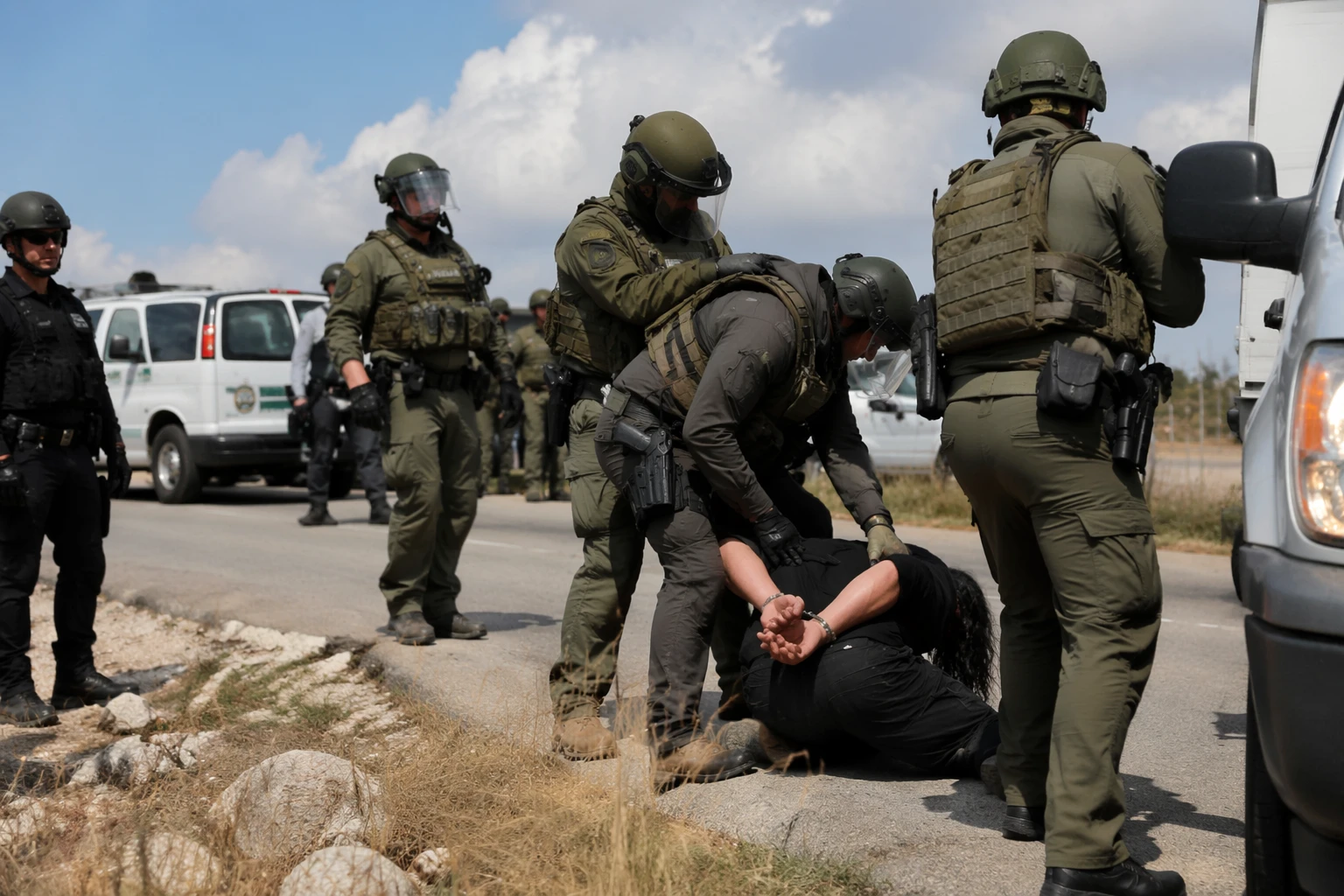
Prosecutors said Song, a former U.S. Marine Corps reservist, yelled “get to the rifles” and opened fire after officers arrived at the scene around 11 p.m., the same night Thomas Gross was shot in the neck. The convictions rested on more than 200 pieces of evidence and testimony from at least 25 witnesses, with the judge imposing a 35-hour limit on the parties’ presentations during the retrial that began Feb. 17, 2026, after an earlier mistrial.
The mistrial came after U.S. District Judge Mark Pittman declared the first proceeding invalid over a defense attorney’s undershirt with civil-rights imagery. Pittman later moved the case from Fort Worth to Dallas and imposed new courtroom rules and access restrictions.
Sources
- [1]news.google.com
- [2]justice.gov
- [3]nbcdfw.com