US News
Texas backlash grows over Flock cameras tracking cars statewide
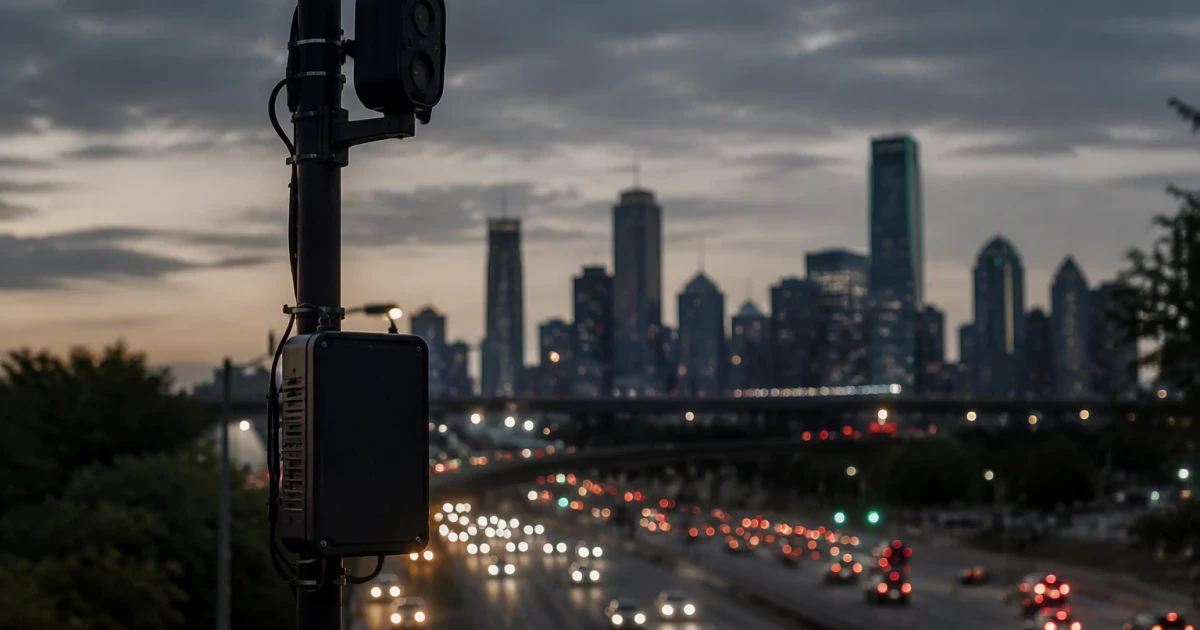
More than 650 license plate readers had been installed across Dallas, and police were defending the Flock cameras as privacy complaints and vandalism spread. The fight has become one of the clearest bipartisan civil-liberties disputes in Texas, with Republicans and Democrats in North Texas objecting to constant vehicle tracking as much as to crime-fighting claims.
North Texas police have described the AI-assisted cameras as critical investigative tools and credited them with helping solve crimes and recover vehicles. Critics say the system gives law enforcement and private vendors too much power to log where cars go, then keep or share that data with too little public oversight. The ACLU says companies like Flock are building a nationwide mass-surveillance system, and the ACLU of Washington has pushed for a Driver Privacy Act to regulate automated license-plate readers.
The backlash was visible in Dallas. Police there defended the cameras while vandalism grew, and a Dallas Morning News video post said the Dallas Police Department reported at least 25 Flock cameras had been vandalized. NBC 5 later reported that Dallas Flock cameras were also being targeted by vandals. In Guadalupe County, Josh Moroles said in an Instagram post that commissioners unanimously terminated their Flock Safety contract after cameras were reportedly vandalized and taxpayers were left to cover damaged devices and repair bills.
The resistance has spread beyond one county. Texas Standard previewed in July that Texas cities were reconsidering Flock license-plate cameras, and Newsweek said dozens of U.S. communities were rejecting proposed systems, deactivating cameras or declining to renew contracts because of privacy and surveillance concerns. NBC News said on Aug. 8 that cities nationwide were still debating whether to keep the cameras as some were vandalized.
Supporters, including the Texas Municipal Police Association and the Wharton Police Department, have defended the technology as a tool for public safety and legitimate criminal investigations. But the Texas debate has settled on a narrower question than whether cameras can help police: who can keep the data, who can see it, who can share it, and what stops abuse once a plate scan is made. That gap has turned a crime-fighting pitch into a statewide argument over mass location tracking.
Sources
- [1]nytimes.com
- [2]nbcdfw.com
- [3]texastribune.org
- [4]dallasnews.com
- [5]aclu.org
- [6]aclu-wa.org
- [7]youtube.com
- [8]newsweek.com
- [9]texasstandard.org
- [10]politico.com
- [11]nbcnews.com
- [12]facebook.com