Science
Texas biotech and federal agency launch BioVault for endangered species

A Texas biotech company and the U.S. Fish and Wildlife Service agreed on June 25 to build the BioVault, a cryogenic archive meant to preserve living cells, reproductive tissues and genomic DNA from more than 2,300 threatened and endangered U.S. species. The idea is to create a genetic backup before populations shrink so far that recovery becomes far harder, or impossible.
The U.S. Department of the Interior said the memorandum of understanding is designed to advance biobanking and genomic science for wildlife conservation and species recovery. Interior Secretary Doug Burgum said the partnership brings together the service’s scientific expertise and private-sector ingenuity, while Fish and Wildlife Service Director Brian Nesvik said biodiversity faces rising pressure worldwide and that the work will help show how biobanking and genomics can complement existing conservation tools.
Colossal Biosciences, which announced the deal from its Dallas headquarters, said sampling and sequencing are already underway. The company and federal partners said whole-genome sequence data is being integrated into federal species conservation plans, and that genomic data generated through the effort will be placed in open-access repositories. The partners are also building a free, permanent public genomic data platform for researchers worldwide, while the Interior announcement said the work will include training and capacity-building in conservation genomics.
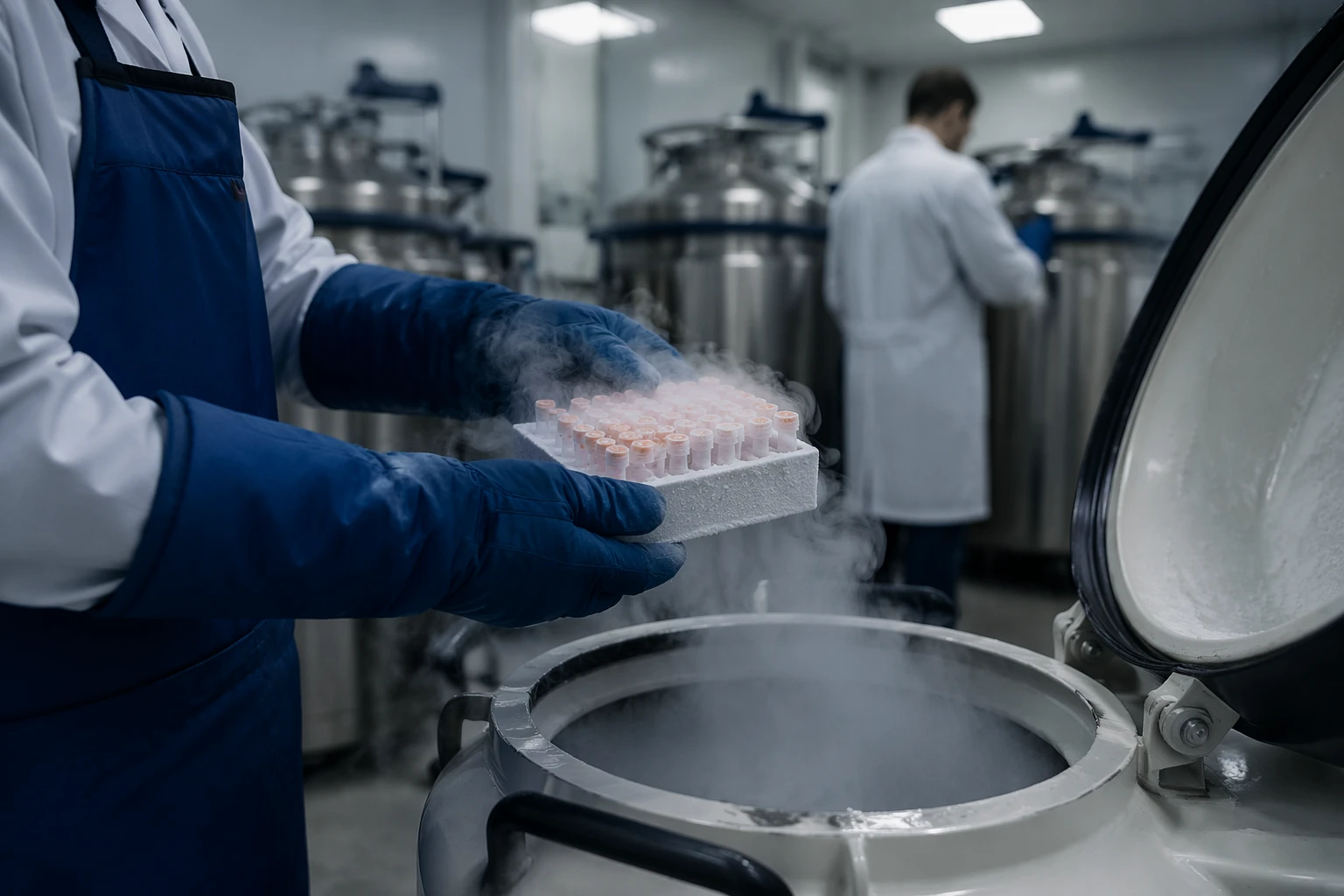
Ben Lamm, Colossal’s co-founder and chief executive, said the preserved material could support assisted reproduction, genetic management of wild populations and, if a species is lost, future restoration. That makes the BioVault both an immediate conservation tool and a longer-term hedge against extinction, but it also leaves the central question unresolved: whether banking cells and DNA can meaningfully improve survival odds in the wild, or mainly buy time while habitats keep disappearing.
The scale of the project places it alongside, and above, earlier biobanking efforts. San Diego Zoo Wildlife Alliance’s Frozen Zoo, created in 1975, now holds living cells and gametes from more than 11,500 individual animals across about 1,300 species or subspecies, showing that cryogenic preservation has been part of conservation science for decades. Colossal has also pushed the concept abroad: on February 3, 2026, it announced a separate BioVault project at Dubai’s Museum of the Future targeting more than 10,000 species, starting with the world’s 100 most imperiled, including the snow leopard, savanna elephant, great white shark and northern white rhino.
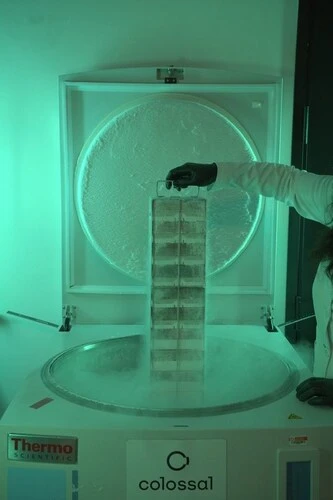
The federal partnership arrives as conservationists confront the same pressures that have driven species onto endangered lists in the first place: habitat loss, climate change, disease and human activity. The International Union for Conservation of Nature’s Red List remains the world’s most comprehensive measure of extinction risk, classifying species from Vulnerable to Endangered, Critically Endangered and Extinct. The BioVault is a test of whether the next era of conservation can do more than archive what is vanishing.
Sources
- [1]hk.news.yahoo.com
- [2]doi.gov
- [3]genomeweb.com
- [4]sandiegozoowildlifealliance.org
- [5]iucn.org
- [6]colossal.com