Politics
Texas Democrats Score Major Upset, Narrow GOP’s U.S. House Majority and Capture State Senate Seat
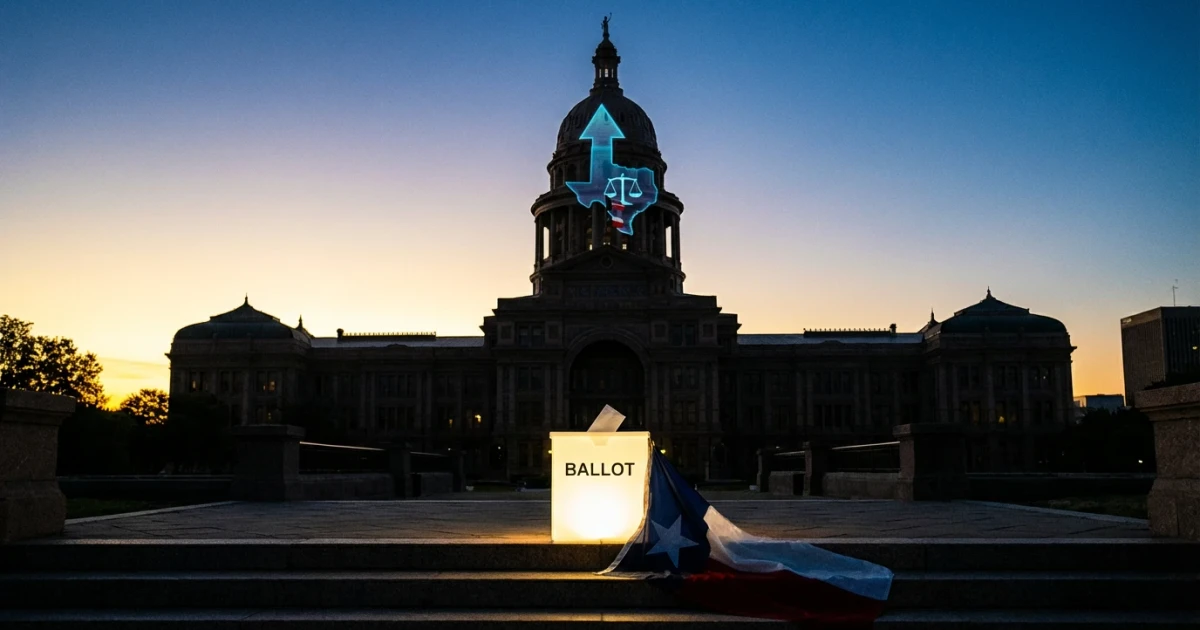
Texas Democrats stunned political observers by not only narrowing the GOP's majority in the U.S. House of Representatives but also capturing a state Senate seat in a dramatic upset—developments that could reshape the state's political landscape in 2026 and beyond.
Democrats Gain Ground in Texas
In a state long regarded as a Republican stronghold, the recent elections marked significant progress for Texas Democrats. According to reports, Democrats managed to narrow the Republican majority in the U.S. House and clinched a surprise victory in the state Senate—an outcome that reflects shifting political dynamics in the region.
U.S. House Majority Narrows
The results from Texas contributed to a tighter margin for Republicans in the U.S. House of Representatives. While the precise seat count was not specified, the outcome suggests that Democrats flipped key districts or held onto competitive seats that were previously considered at risk. This narrowing of the GOP's majority could have national implications, potentially affecting legislative priorities and the balance of power in Congress.
- Republican majority in the U.S. House reduced, impacting overall national legislative dynamics
- Democrats' gains came in districts with growing urban and suburban populations
- Turnout among younger voters and demographic shifts played key roles
State Senate Upset
Perhaps more surprising was the Democratic victory in a Texas state Senate race. The seat, previously held by a Republican, was considered a safe district until the upset win. This marks a rare Democratic pickup in the state Senate and could influence state policy debates on key issues, including education, healthcare, and voting rights.
- Democrats flip a state Senate seat in an upset, signaling changing voter preferences
- The win boosts Democratic morale and fundraising heading into future cycles
Factors Behind the Democratic Surge
Several factors contributed to the Democratic gains:
- Demographic changes: Texas’s population is becoming more diverse, with growing urban and suburban communities more open to Democratic candidates
- Voter turnout: Increased turnout among younger voters and communities of color provided a boost to Democratic campaigns
- Shifting issues: Key topics such as healthcare, public education, and reproductive rights mobilized voters
Implications for Texas and National Politics
The election results have both immediate and long-term implications:
- In Congress: A slimmer Republican majority makes bipartisan cooperation more critical and gives Democrats increased leverage
- In Texas: The state Senate upset could inspire more robust Democratic challenges in future statewide races, including gubernatorial and congressional contests
- National outlook: Texas’s evolving political makeup could shift the national electoral map in upcoming presidential and midterm elections
Looking Ahead
The recent Democratic gains in Texas reflect an evolving political landscape, with both parties likely to adjust their strategies in response. As Texas continues to experience demographic shifts and increased political engagement, future elections may see even more competitive races and surprises. The 2026 results serve as a reminder that the Lone Star State is far from monolithic—and that its role in national politics is only growing more significant.