Technology
Texas Faces Push to Rein in Big Tech’s AI Influence
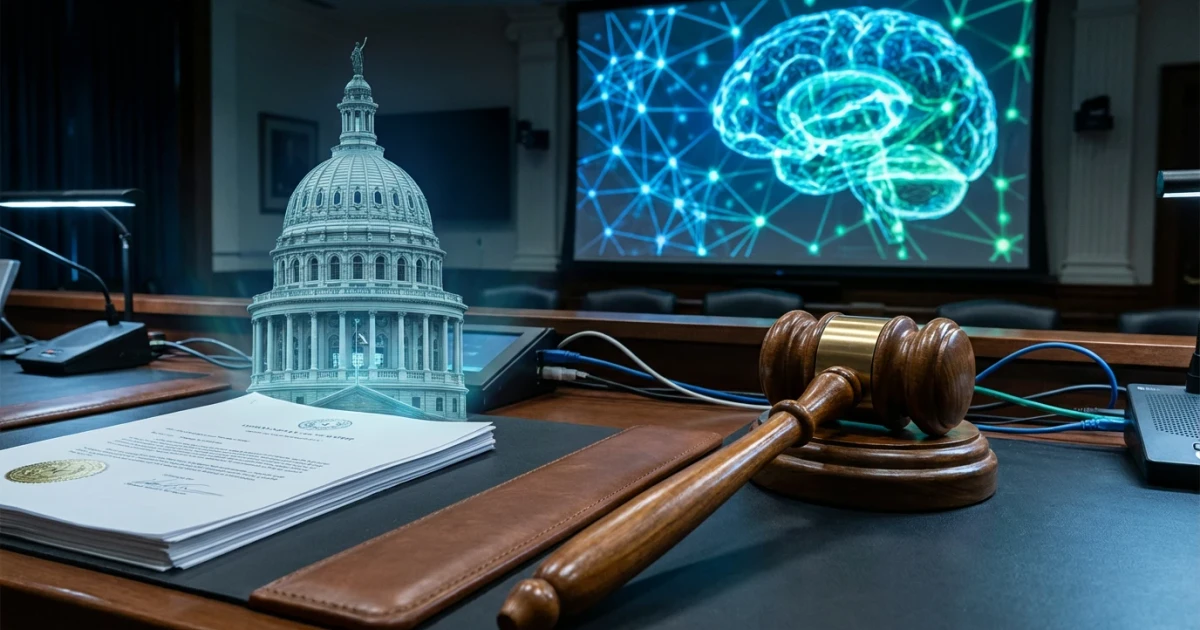
Texas lawmakers and advocates face mounting pressure to address the growing influence of Big Tech in the field of artificial intelligence (AI), as calls intensify for robust state-level regulation to safeguard public interests and rein in corporate power.
Debate Over Big Tech’s Role in AI Development
As AI systems rapidly expand their reach across industries, concerns have emerged about the outsized role major technology companies play in shaping both the technology and the rules that govern it. Advocates argue that without effective oversight, the interests of tech giants could override those of Texas businesses, consumers, and communities. Dallas News editorialized that the state must “reject Big Tech’s power grab” and take decisive steps to set its own standards for AI oversight, rather than letting industry giants set the agenda unilaterally.
Calls for State-Level AI Regulation
Recent developments have prompted renewed scrutiny of how AI adoption in the United States is influenced by a handful of dominant firms. Critics highlight the risks of concentrating control over algorithms, data, and infrastructure, which can shape everything from hiring systems to medical diagnostics. Dallas News stresses that Texas has a unique opportunity to establish its own regulatory framework—one that balances innovation with accountability and transparency.
- The NIST AI Risk Management Framework provides voluntary guidance, but lacks enforcement mechanisms at the state level.
- The Texas Attorney General’s AI Task Force Report from 2023 noted that AI is rapidly being integrated into both private and public services in Texas, yet comprehensive state regulation remains limited.
- According to Brookings Institution analysis, Texas has introduced several AI-related bills but has not yet passed sweeping legislation to regulate the sector, unlike some other states.
Risks and Opportunities for Texans
Supporters of stronger regulation argue that without state action, Texas risks ceding authority to federal standards shaped by industry lobbying, or worse, to the unchecked discretion of private companies themselves. They point to examples where algorithmic systems have shown bias, lack of transparency, or limited accountability. At the same time, thoughtful regulation could help foster public trust and ensure that AI is deployed in ways that benefit all Texans.
Polling from the Pew Research Center shows that a majority of Americans support greater oversight of AI, with many expressing concerns about privacy, fairness, and the potential for job displacement. These attitudes are reflected in Texas, where business leaders, consumer advocates, and policymakers are increasingly engaged in debates over what effective AI regulation should look like.
Legislative Landscape and Industry Response
Nationally, proposals such as the AI Accountability Act of 2023 have called for more transparency and reporting requirements for companies developing high-impact AI systems. However, much of the regulatory action—and resistance—remains at the state level. Tech industry representatives have historically argued that overly strict regulation could stifle innovation and drive investment elsewhere. Dallas News counters that Texas can craft balanced rules that support both competitiveness and the public good.
What’s Next for Texas and AI Oversight?
As Texas policymakers consider new approaches to AI governance, the stakes are high for businesses, government agencies, and ordinary Texans. The outcome could determine whether Texas becomes a leader in responsible AI innovation—or whether it leaves critical decisions in the hands of a few powerful corporations.
Observers say the coming legislative session will be a key test of the state’s willingness to chart its own course on AI regulation. With public attention focused on the risks and rewards of artificial intelligence, the debate over Big Tech’s influence in Texas is set to intensify in the months ahead.