World
Texas Faces Slower Growth as World Cup Hotel Bookings Lag
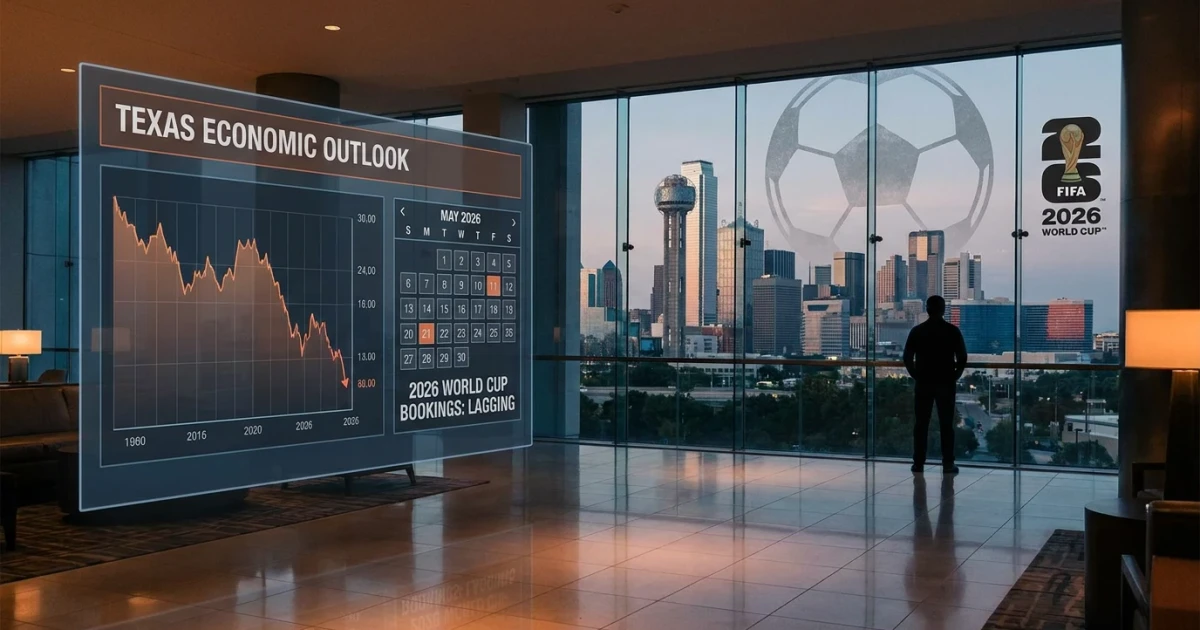
Texas’ economic outlook is showing signs of strain as international hotel bookings remain below expectations in the lead-up to the 2026 FIFA World Cup, an event anticipated to bring a surge of global visitors to cities across the Lone Star State. The latest forecasts suggest that the much-anticipated economic boost from the tournament may not fully materialize unless international travel picks up soon.
Weaker Economic Forecasts for Texas
Recent analysis points to a downgrade in Texas’ economic outlook, with state officials and industry leaders citing sluggish international bookings as a key factor. The tournament, which will host matches in major Texas cities such as Dallas and Houston, was expected to drive strong growth in the tourism and hospitality sectors. However, as reported by FOX 4 News Dallas-Fort Worth, the anticipated influx of international visitors has yet to be reflected in hotel occupancy data.
According to the 2024 Texas Economic Outlook, the tourism and travel industry plays a significant role in the state’s economy, supporting jobs and generating tax revenue. Projections for 2026 had been optimistic, buoyed by Texas’ selection as a World Cup host. Yet, recent hotel occupancy rates show only modest gains, falling short of previous World Cup benchmarks in other host regions.
International Bookings Remain Subdued
Hotel industry data highlights a persistent lag in international arrivals and bookings across Texas’ major cities. Despite increased marketing efforts targeting overseas fans, booking levels for June and July—when the tournament begins—are not keeping pace with initial projections. Trends echo findings from the U.S. Travel Association, which notes that the international travel recovery to the United States has been slower than expected, with ongoing global economic uncertainty and shifting travel patterns playing a role.
- Texas hotel occupancy rates recently hovered around 62% statewide, below the 70%+ rates seen in prior major event years (Statista).
- International air arrivals into Texas, as tracked by the National Travel and Tourism Office, remain below 2019 levels.
- The Federal Reserve Bank of Dallas warns that tourism sector jobs have not rebounded as quickly as other industries.
World Cup Host Cities Prepare for Uncertainty
Texas cities set to host World Cup matches—including Dallas, Houston, and others—have invested heavily in stadium upgrades, transportation, and marketing to attract international fans. The official FIFA host city guide details the scale of preparations and the anticipated influx of visitors. However, if international arrivals remain tepid, cities may need to shift focus toward maximizing domestic tourism and local engagement to offset the shortfall.
Economic Implications for Tourism and Beyond
The muted performance in hotel bookings raises concerns about broader economic impacts. The Department of Numbers shows that the hospitality and leisure sector is a key driver of employment in Texas. With international visitors typically spending more per capita than domestic tourists, the state could miss out on a significant economic windfall if the current trends persist.
Industry experts suggest that additional factors—including a strong U.S. dollar, lingering visa processing delays, and global inflation—may be suppressing inbound travel. These elements, combined with changing booking habits and increased competition from other host cities in the U.S., Canada, and Mexico, are contributing to the uncertainty facing Texas’ tourism sector.
Looking Ahead
As the 2026 FIFA World Cup approaches, Texas’ economic planners and hospitality leaders are watching booking trends closely. There is still hope that late surges in reservations will materialize, especially as match schedules are finalized and teams qualify, but the current outlook suggests a more cautious approach to revenue projections. The experience may prompt calls for renewed international outreach and policy adjustments to better capture global traveler demand in the future.