US News
Texas flood risk grows as heavy rain, rescues continue
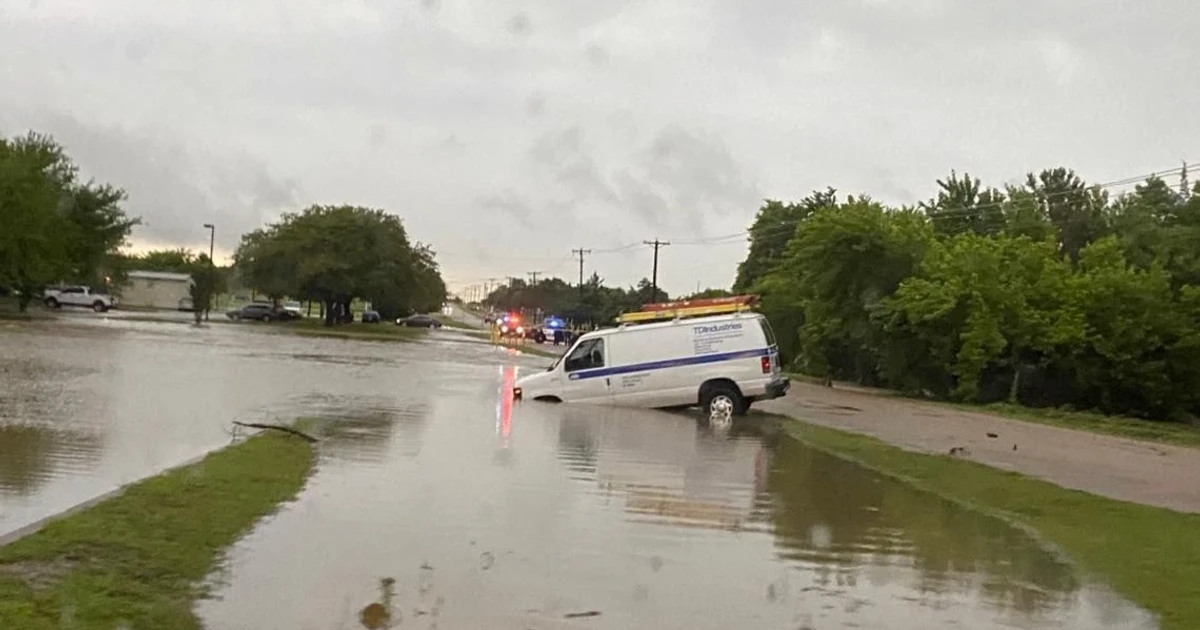
Heavy rain had already turned parts of central Texas into an emergency scene by Monday, but forecasters warned the most dangerous flooding still may have been ahead. On Interstate 35 in Waco, floodwaters submerged lanes and stranded motorists, while rescue crews responded to people trapped by rising water across the region.
The National Weather Service office in Austin and San Antonio said a Flood Watch covered South Central Texas from Sunday evening, June 14, through Tuesday evening, June 16. Forecasters said multiple waves of rain and storms were expected, with isolated pockets of more than 8 inches possible and life-threatening flooding possible inside the watch area.
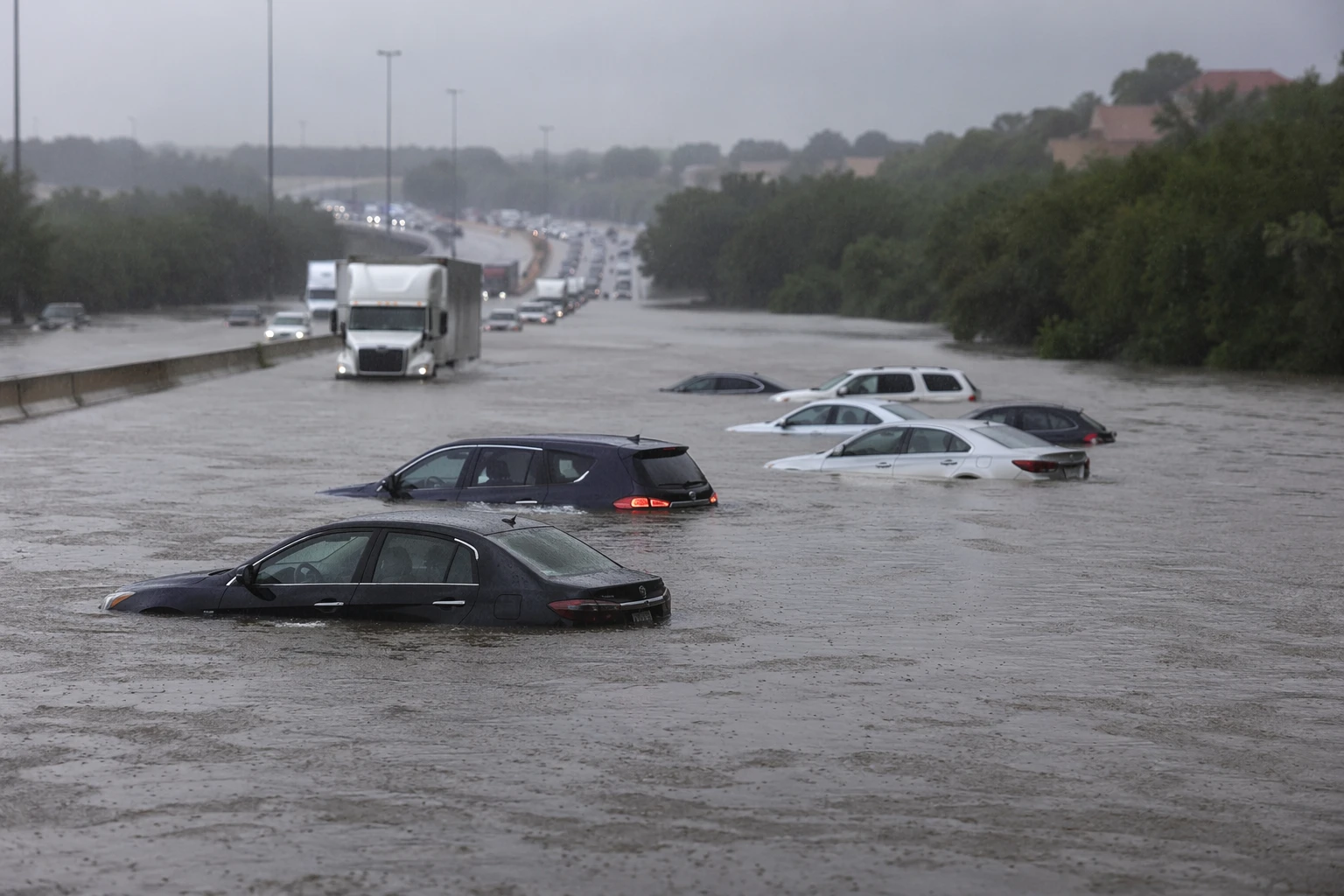
The immediate threat was already showing up on the roads. Texas Game Wardens said their teams and local partners were answering numerous calls involving people trapped by floodwater, and state officials urged residents to stay off the roads and never try to drive through flooded streets. In Waco, local reports said floodwaters submerged lanes on I-35 and trapped motorists as rain totals climbed quickly.
The danger was not confined to the corridor already hit hardest. Forecasts for the broader Gulf Coast called for 4 to 7 inches of rain, with isolated areas potentially seeing 10 inches or more as tropical moisture from the Gulf fed the system. Some reports said flood watches stretched across millions of people in Texas and neighboring Gulf states, raising the risk that saturated ground could turn each new band of rain into another round of rescues, closed roads and stalled travel.
That broader threat carried extra weight in Texas, where catastrophic Hill Country flooding in July 2025 killed more than 130 people and exposed how fast extreme rain can become deadly. This round of storms has again put transportation corridors, emergency responders and low-lying communities on alert, with the danger shifting not just where rain had already fallen, but where the next wave could hit hardest.
Sources
- [1]cbsnews.com
- [2]weather.gov
- [3]forecast.weather.gov
- [4]abcnews.com
- [5]houstonpublicmedia.org
- [6]fox7austin.com
- [7]local10.com
- [8]foxweather.com
- [9]pbs.org