Science
Texas Fossil Discovery Unveils Giant Mosasaur Species
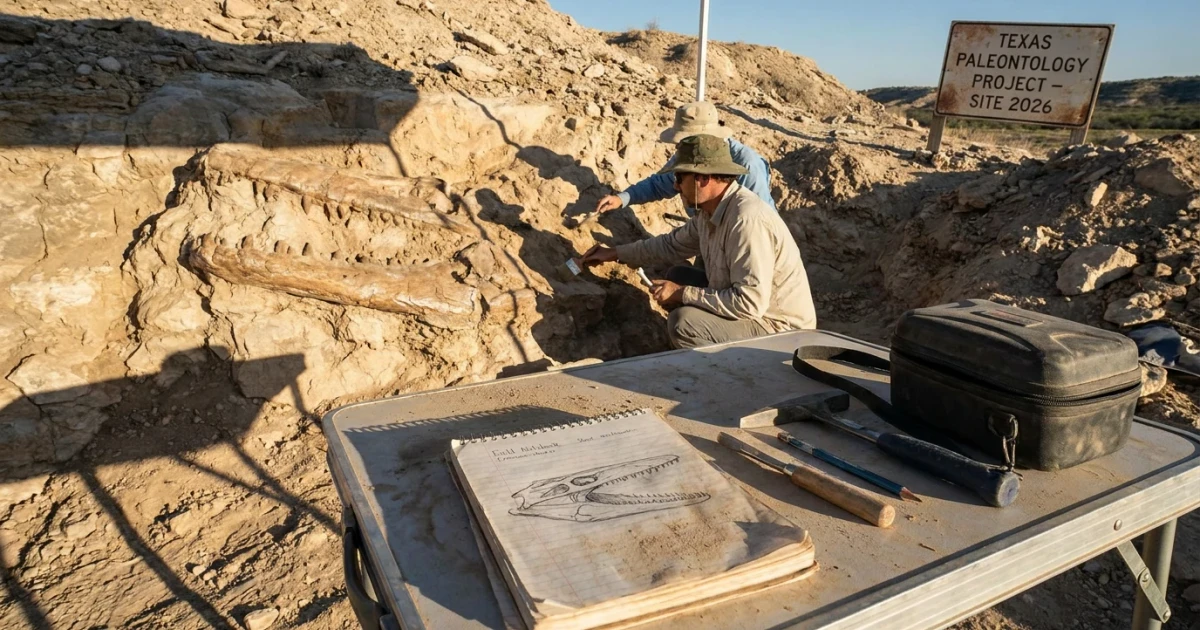
Paleontologists in Texas have announced the discovery of a massive new species of mosasaur, an ancient marine reptile that ruled the Late Cretaceous seas. Unearthed from fossil-rich deposits in the region, this new find is already being compared to the land-based Tyrannosaurus rex for its imposing size and predatory dominance, earning it the nickname the ‘T. rex of the sea’ among researchers and media outlets.
Discovery and Significance of the Fossil
The fossil remains, identified and studied by researchers in the Dallas-Fort Worth area, provide evidence of a previously unknown mosasaur species. Mosasaurs were large, predatory marine reptiles that thrived during the Late Cretaceous period, roughly 98 to 66 million years ago, just before the mass extinction event that wiped out the dinosaurs. The Texas specimen stands out not only for its size but also for its anatomical adaptations, which suggest specialized hunting capabilities in the shallow seas that once covered the region.
According to information reported by Phys.org, the discovery was made in marine deposits known for yielding well-preserved vertebrate fossils. The newly described mosasaur adds to the region’s reputation as a hotspot for marine reptile research and provides crucial data for understanding the diversity and evolutionary history of the Mosasauridae family.
What Is a Mosasaur?
Mosasaurs were apex predators of the ancient oceans, with some species reaching lengths of over 50 feet. Their streamlined bodies, paddle-like limbs, and powerful jaws allowed them to prey on fish, ammonites, and even other marine reptiles. The new Texas species is believed to have been among the largest representatives of the group, rivaling or exceeding the size of previously known giants.
For readers unfamiliar with these marine reptiles, the Natural History Museum provides an in-depth overview, highlighting their evolutionary adaptations and role in Cretaceous ecosystems. Unlike dinosaurs, mosasaurs were not land-dwellers but fully aquatic lizards, more closely related to modern monitor lizards and snakes. Their discovery in Texas adds to the growing evidence of widespread mosasaur populations across the Western Interior Seaway that once split North America.
Unique Features of the Texas Mosasaur
- Size and Strength: Early analysis suggests the specimen reached exceptional lengths, placing it among the largest marine reptiles of its time.
- Skull Structure: Distinct cranial features indicate powerful jaw muscles and specialized teeth for crushing hard-shelled prey.
- Regional Adaptations: The fossil’s geological context suggests adaptation to shallow, warm seas teeming with diverse marine life.
While details on the new species’ scientific name and full anatomical description are expected to be published in a peer-reviewed journal, preliminary reports indicate that it adds a significant branch to the mosasaur family tree. The new find also prompts a reevaluation of predator-prey dynamics and ecosystem structures in the Cretaceous marine environment of Texas.
Broader Impact and Future Research
The unveiling of this mosasaur highlights Texas’s ongoing importance in paleontological research. Fossil discoveries in the region have helped scientists reconstruct the evolution of marine reptiles and their adaptations to ancient oceanic conditions. Each new find, such as this giant mosasaur, fills in critical gaps and raises further questions about how these apex predators thrived and what led to their extinction.
For those interested in exploring further, official museum fossil records and the University of California Museum of Paleontology’s mosasaur background offer extensive data and visual resources.
Looking Ahead
As paleontologists prepare to share more detailed analyses in upcoming publications, the Texas mosasaur is already reshaping scientific perspectives on marine reptile evolution and prehistoric life in North America. Its discovery not only excites researchers but also fuels public interest in the lost worlds beneath ancient seas, where giants rivaling the famed T. rex once hunted in the depths.