US News
Texas Gulf Coast braces for life-threatening flooding as Arthur nears
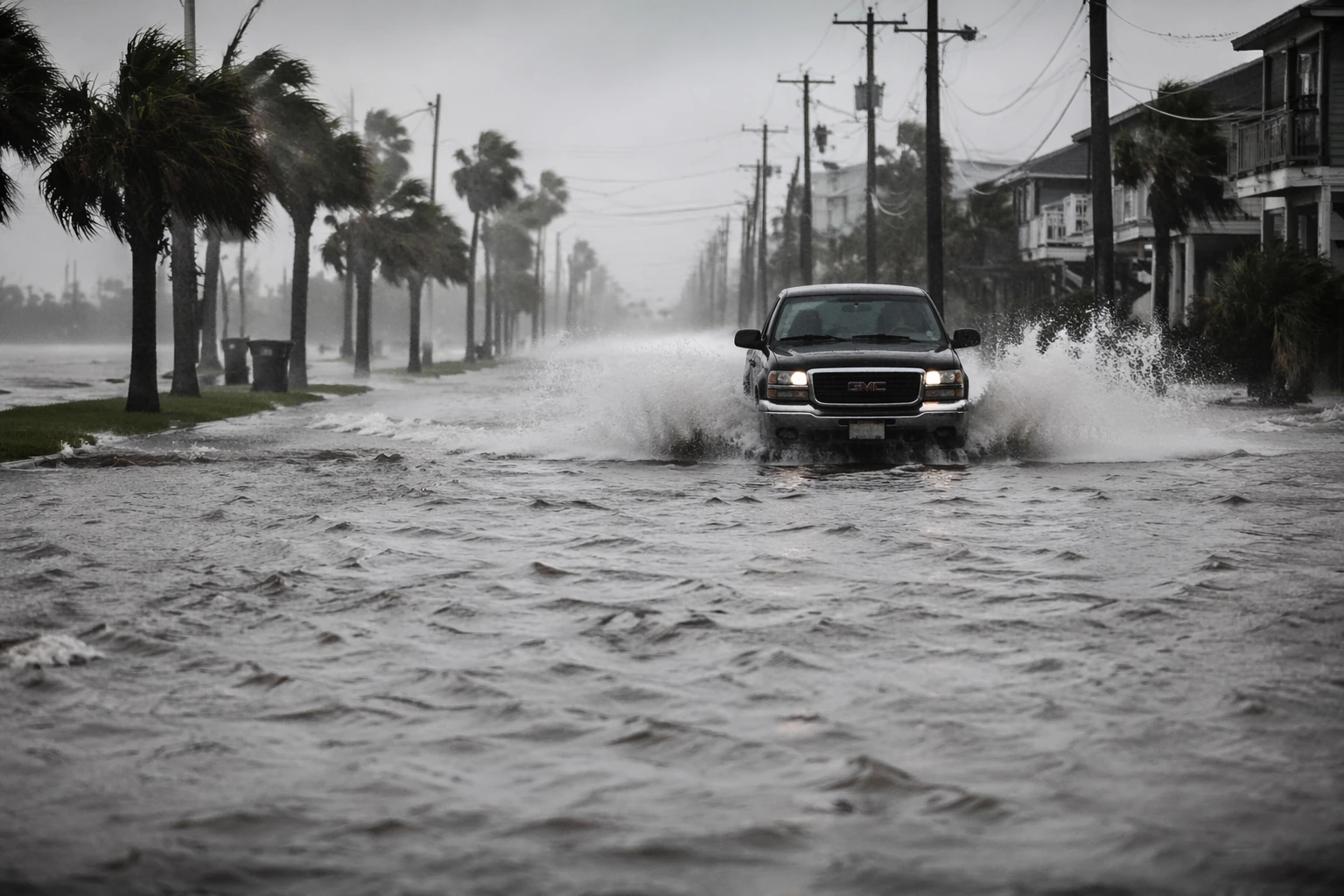
Floodwater pushed into roads across the Texas Gulf Coast, turning routine travel into dangerous conditions as Arthur approached and the National Weather Service warned that life-threatening flooding remained possible through Wednesday. In southeast Texas, forecasters said another 4 to 10 inches of rain could fall, after some locations already saw rainfall rates of 2 to 5 inches an hour.
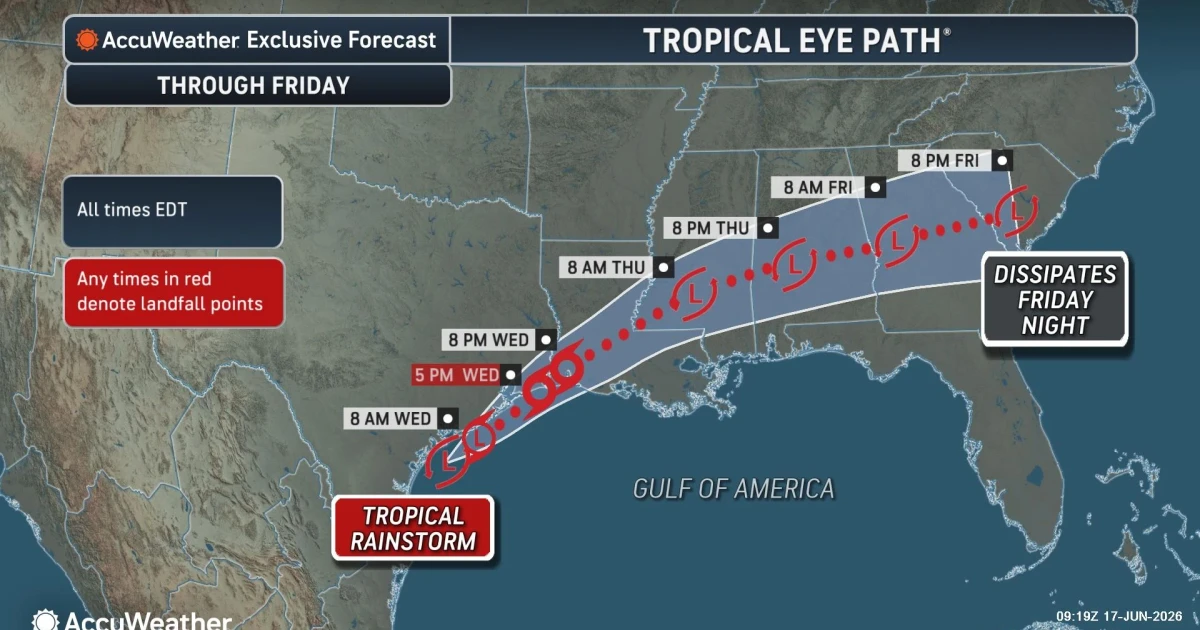
The weather threat stretched from the Southeast Texas coast into adjacent Gulf waters, where a Tropical Storm Warning was in effect. A Tropical Storm Watch covered Brazoria County, Galveston County and Chambers County, including Galveston Bay. Weather.com warned that coastal flooding could reach 1 to 3 feet along the coast and bays, while tropical-storm-force gusts were possible along the immediate coast.
The danger was not limited to the shoreline. More than 40 million people across the Gulf Coast were preparing for record-breaking rainfall as Arthur, the first named storm of the season, neared Texas. In Galveston, the city’s Office of Emergency Management said on June 15 that it was monitoring a series of storms expected to bring heavy rainfall from Monday through Thursday. Texas Governor Greg Abbott said the state had activated additional emergency response resources and was running 24-hour operations at the State Emergency Operations Center as the flood threat spread across large parts of Texas.
State officials also kept an active severe weather disaster declaration in place dated June 15. The Texas Division of Emergency Management urged Texans to remain weather aware, review family emergency plans, pack an emergency supply kit and follow instructions from local officials as the rain bands moved across the coast.
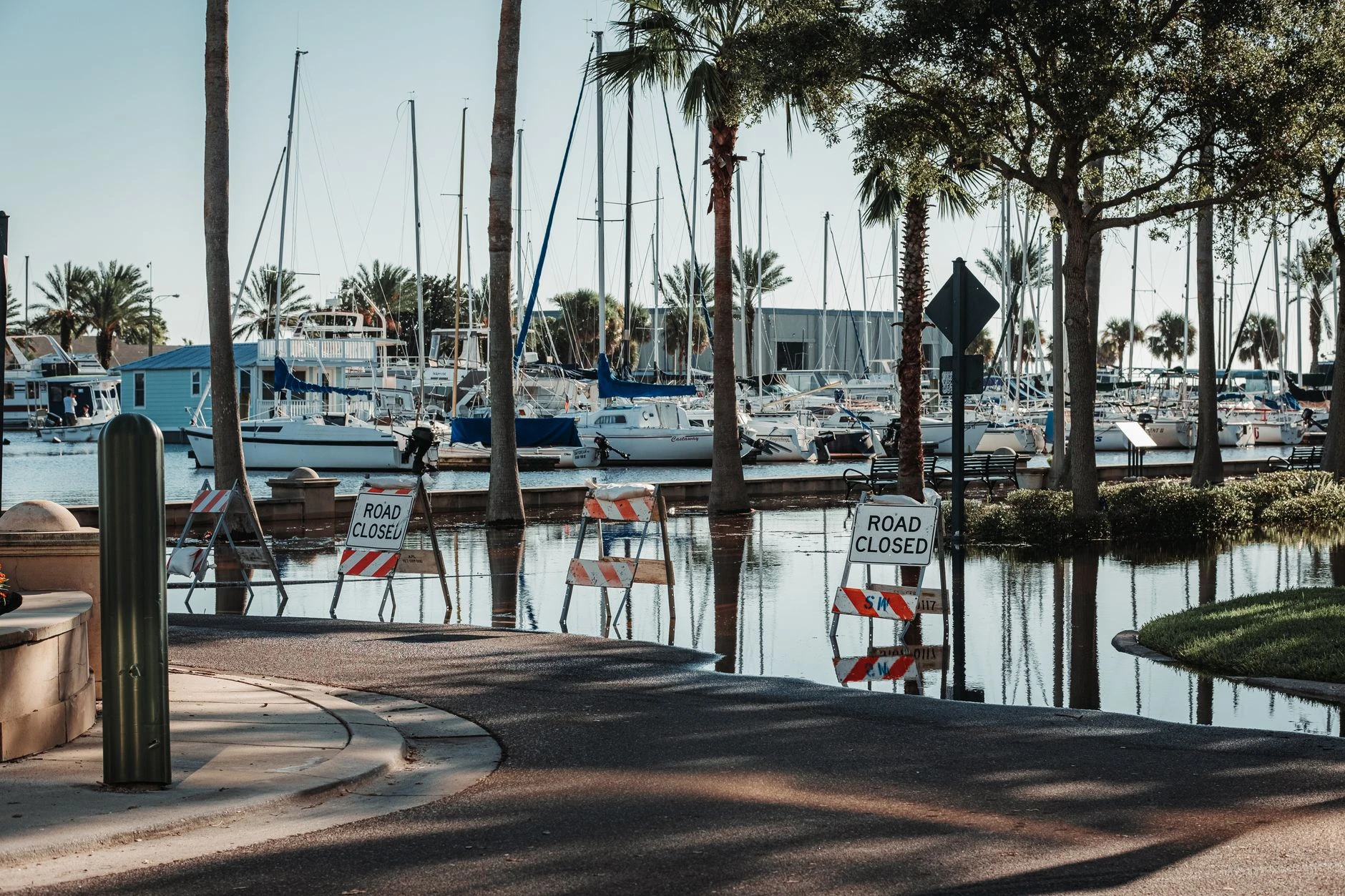
The latest flooding revived memories of Texas’s deadly 2025 flood disasters, when a river in Texas Hill Country rose 26 feet in 45 minutes and killed more than 100 people, including many summer campers. That history has made the current warnings harder to ignore, especially in low-lying communities where drainage, road design and emergency alerts are being tested by the speed and intensity of the rain.
Sources
- [1]cbsnews.com
- [2]forecast.weather.gov
- [3]weather.gov
- [4]weather.com
- [5]tdem.texas.gov
- [6]galvestontx.gov
- [7]apnews.com