Technology
Texas high school teams race solar cars across 630 miles
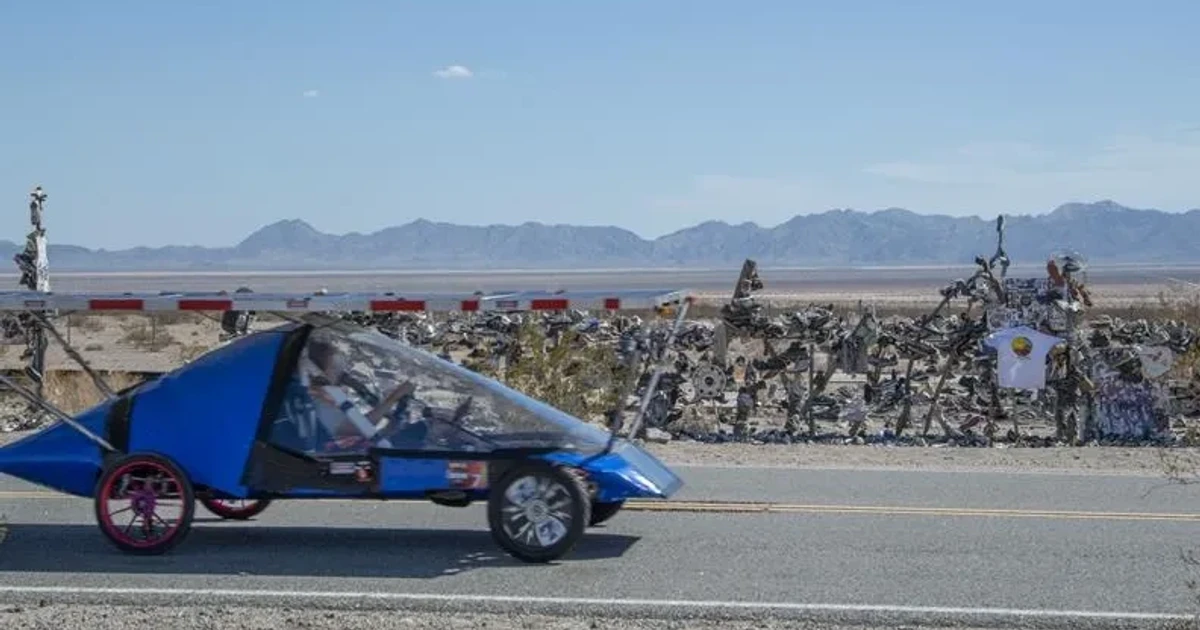
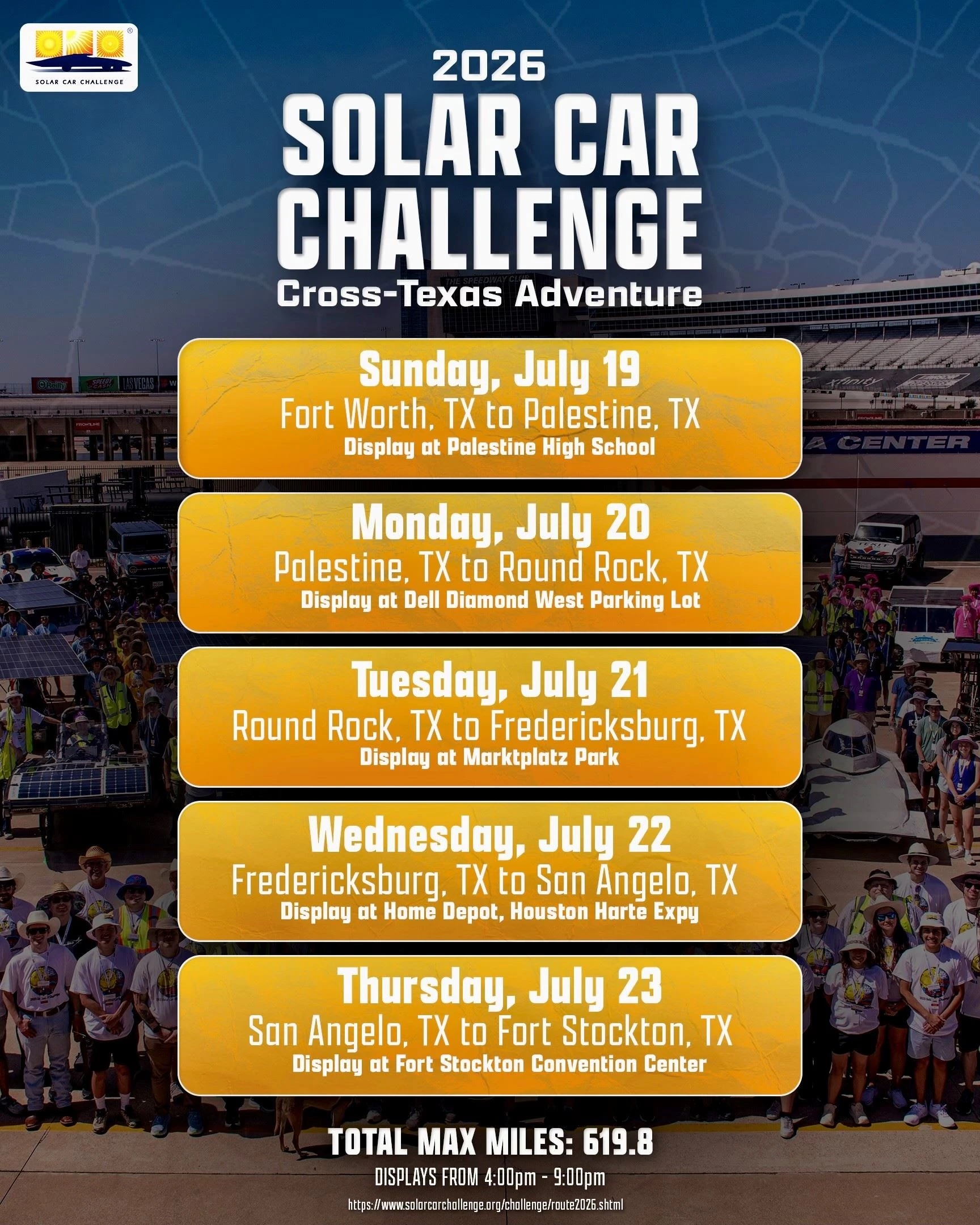
Dozens of high school teams began a five-day, 630-mile run from Fort Worth to Fort Stockton, with the winner to be decided by which car logged the most miles on solar power. About 300 students took part in the Solar Car Challenge, where each vehicle was designed and built by students using off-the-shelf parts and 3D-printed materials.
Hosted by Oncor and Lockheed Martin, the race turned Texas highways into a rolling test of student engineering. The Solar Car Challenge Foundation describes the program as a project-based STEM initiative focused on science, engineering and alternative energy, and says it has worked with 75,000 students over the years. The foundation also says the operation is staffed completely by volunteers, a rare structure for a competition with this much technical ambition and statewide reach.
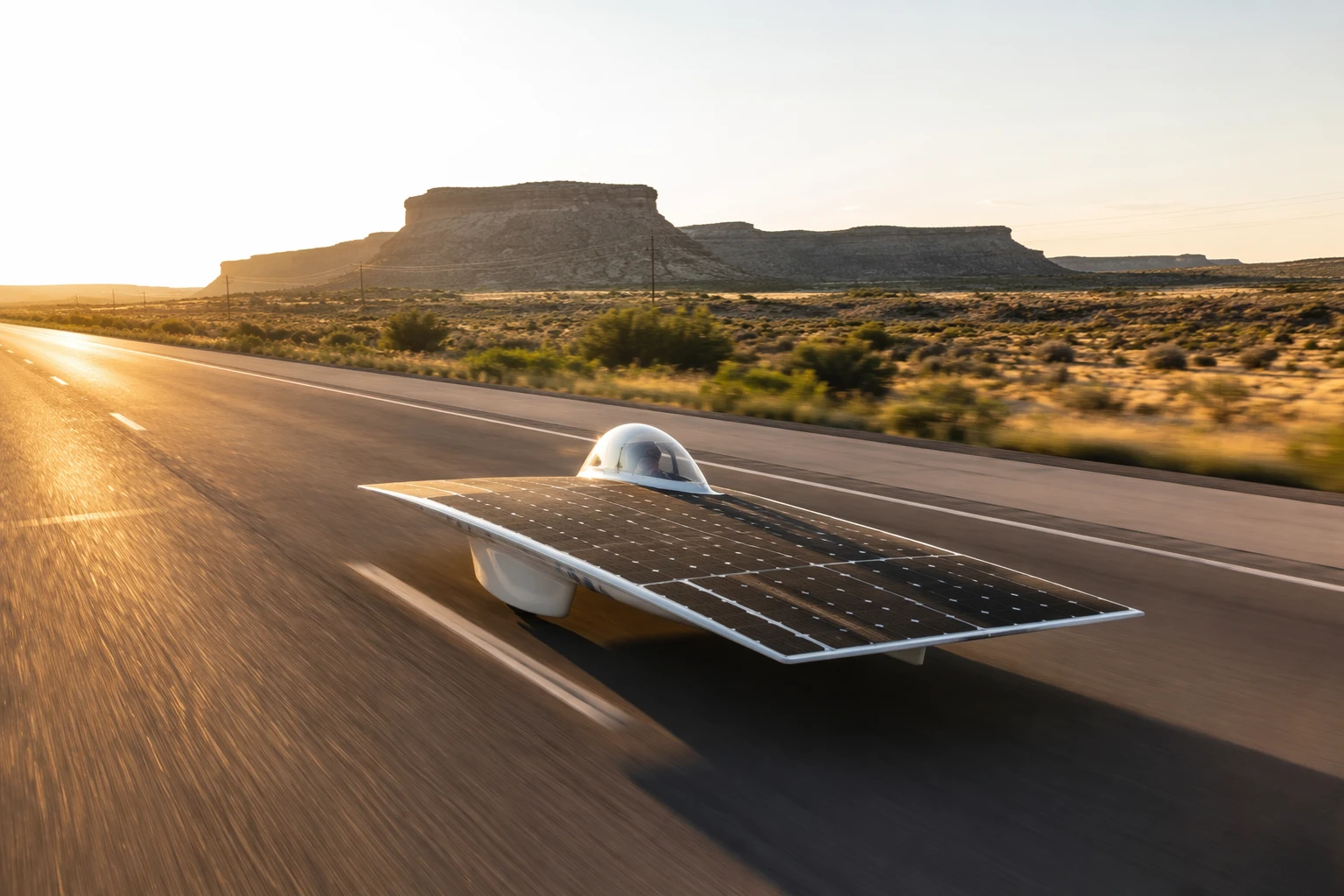
The route put the limits of solar transport on full display. Teams had to make the most of sunlight over five days, then bring their cars to the Fort Stockton Convention Center from 4:00 to 6:00 p.m. on July 23 for a public display at the end of the run. In a field that rewards efficiency more than speed, the challenge is less about racing like a conventional motorsport and more about making design choices that keep a lightweight vehicle moving mile after mile on collected energy.
The event also showed how deeply rooted the Solar Car Challenge has become in Texas engineering education. The competition held its 28th annual event in July 2024 at Texas Motor Speedway, then returned there in 2025 for a closed-track event. That history matters because it shows a pipeline that has outlasted one school year, one class and one generation of students, with the same basic lesson: clean-energy systems are only as strong as the people who can design, build and improve them.
For American engineering, that is the point of the race. The cars may be built for a single week on a Texas route, but the skills behind them, from fabrication to energy management to iterative testing, are the ones that carry into the broader clean-tech economy.
Sources
- [1]theverge.com
- [2]solarcarchallenge.org
- [3]facebook.com
- [4]x.com
- [5]txses.org
- [6]fortworthreport.org