Technology
Texas pauses new data center approvals amid grid, water audit
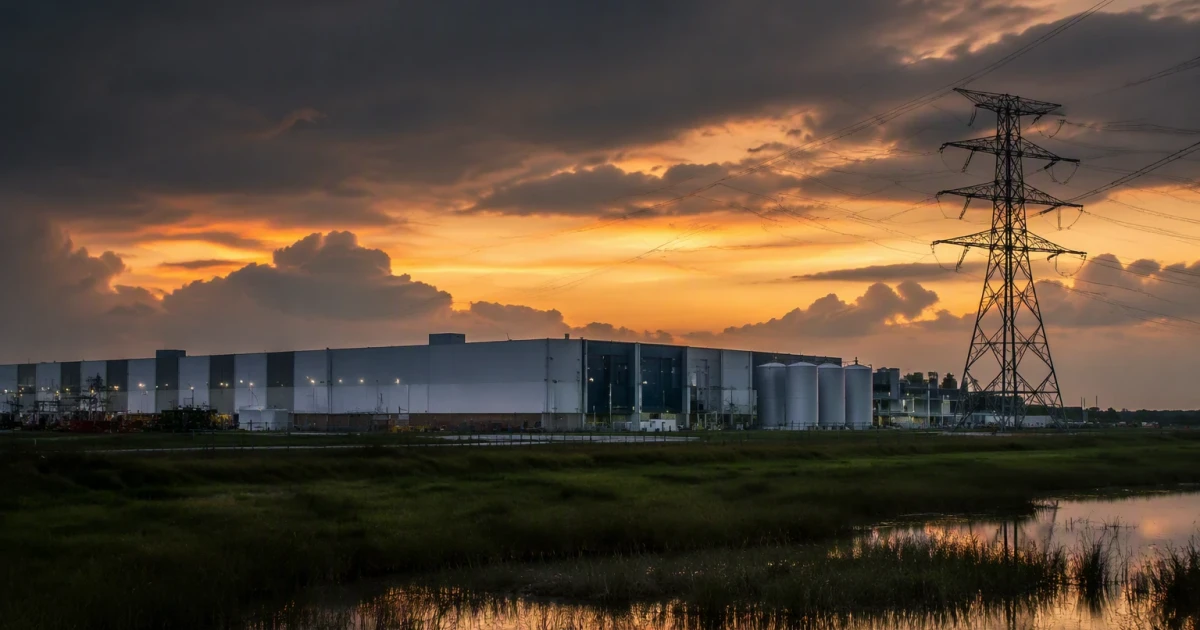
Greg Abbott ordered Texas regulators to pause approvals for new data center projects that seek to connect to the state’s grid, putting a brake on one of the fastest-growing pieces of the AI buildout. The directive sent the Public Utility Commission of Texas and ERCOT into a comprehensive audit of projects already in the interconnection queue, and one local account said new facilities would not be able to join the Texas power grid until officials finished reviewing their energy and water use.
The audit reaches well beyond electricity demand. State officials said it will examine energy use, water consumption, financing, ownership and community impacts, signaling that Texas wants a closer look at who is backing the projects and what they will cost surrounding communities. Abbott had already signed legislation in July 2025 requiring large-load customers such as data centers to help pay interconnection costs, a reminder that the fight over who shoulders grid upgrades had been building long before this latest pause.
Texas has become a major target for cloud and AI companies searching for land, power and permits, helped by relatively low taxes and cheap acreage in some areas. But the state’s grid is under pressure from extreme weather, rapid population growth and rising industrial demand, and Abbott has said Texas’ record usage is 91 gigawatts. He also said that if every application for every new data center were approved, demand could be five times higher.
Water is now part of the same debate. A Jan. 21 white paper from the Houston Advanced Research Center estimated that Texas data center growth could consume up to 161 billion gallons of water annually by 2030. A May 6 report from the University of Texas at Austin projected that data centers could account for 3% to 9% of Texas water use by 2040, a projection that adds another layer of strain to already contested permitting decisions.
The pause gives Texas a stronger hand in deciding which projects can reach the ERCOT grid and under what terms. It also puts the state at the center of a national test of whether regulators can keep pace with the electricity and water demands of the next computing buildout without shifting new costs onto households and small businesses.
Sources
- [1]reuters.com
- [2]gov.texas.gov
- [3]ketk.com
- [4]houstonpublicmedia.org
- [5]harcresearch.org
- [6]news.utexas.edu
- [7]youtube.com
- [8]datacenterdynamics.com
- [9]texastribune.org