Sports
Texas Tech won't recover NIL payments to Brendan Sorsby after eligibility fight
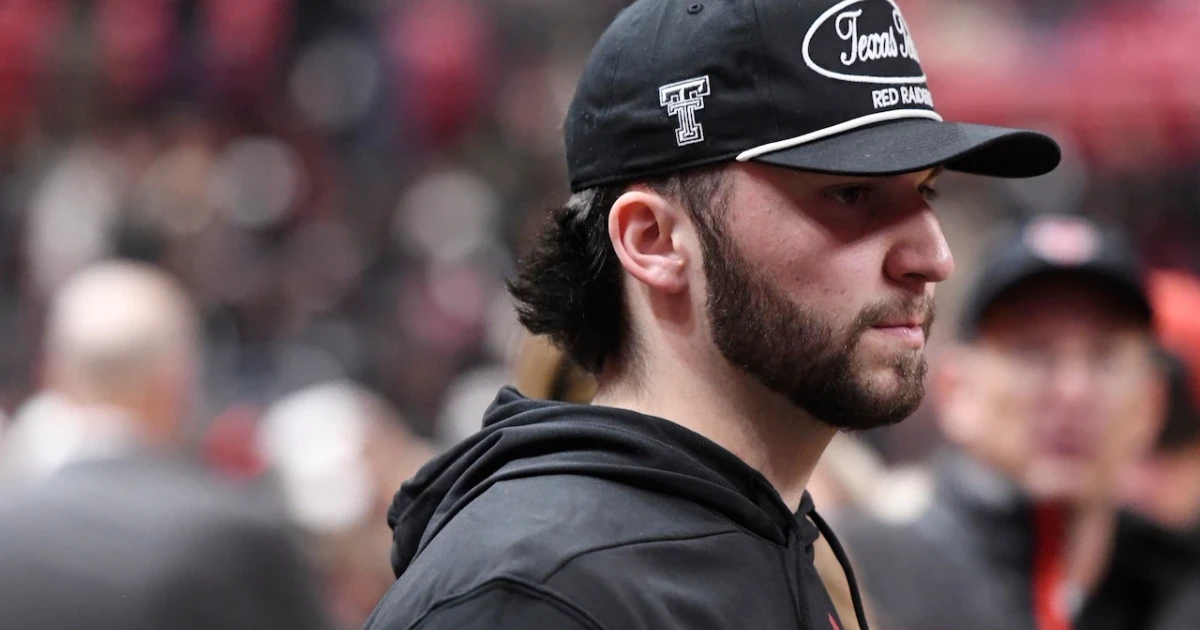
Texas Tech has decided it will not try to claw back NIL payments already made to Brendan Sorsby, even though the quarterback never played a game for the Red Raiders before moving on. The choice leaves one of college football’s most unusual money disputes intact: a player was paid, eligibility was contested, and the school is walking away from the money instead of chasing it.
Sorsby’s case reached a new turn on June 15, when he said he planned to apply for the NFL supplemental draft. That move came after weeks of legal turmoil over his NCAA eligibility, including the school’s disclosure that it discovered thousands of online bets made through a gambling app and that Sorsby sought treatment for a gambling addiction. The NCAA denied his request for reinstatement on May 26, then a Lubbock County District Court hearing on June 1 led to a temporary injunction on June 8 that restored his eligibility for the 2026 season.
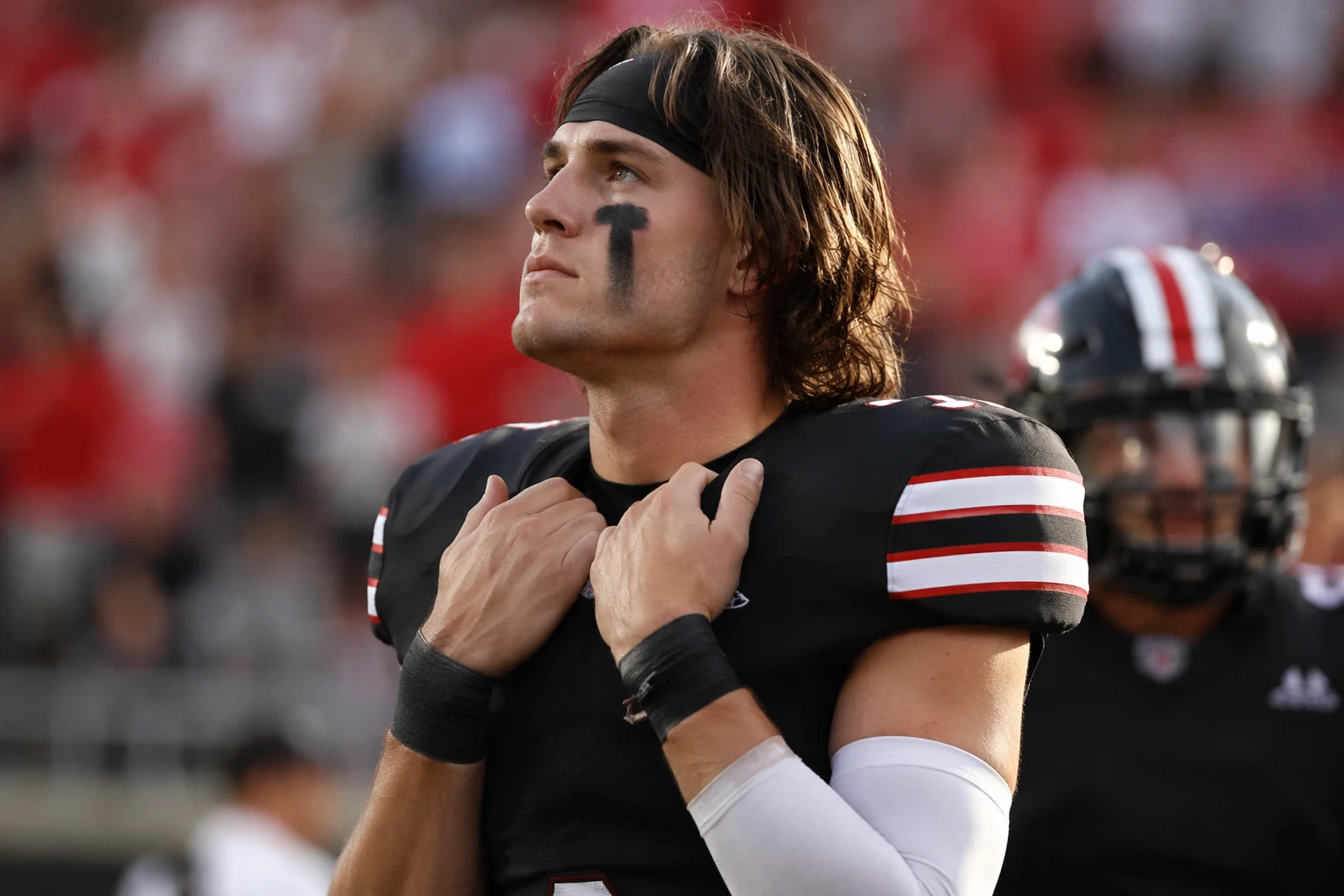
The path from eligibility dispute to contract risk has quickly become a broader test for college sports. Texas Tech athletic director Kirby Hocutt said on June 10 that there was “no perfect answer,” while continuing to back Sorsby’s recovery. Booster Cody Campbell also publicly defended the quarterback, saying Sorsby did not affect the integrity of a single game. The school’s refusal to seek reimbursement now suggests that once NIL money changes hands, the practical ability to unwind those payments may be far weaker than many schools and donors assumed.
The Big 12 escalated the conflict on Monday by filing a federal lawsuit in the Northern District of Texas seeking declaratory and injunctive relief so it could potentially use its bylaws to punish Texas Tech for playing Sorsby. Texas Attorney General Ken Paxton warned the league on June 11 that it could face substantial liability if it penalized the school. The legal fight has become a warning sign for athletic departments trying to balance donor-backed NIL spending, conference enforcement, and the reputational fallout of keeping a player in uniform while his status remains under challenge.
NBC Sports reported that Sorsby hired attorney Jeffrey Kessler, who now has a role in navigating the NFL side of the dispute as well. For Texas Tech, the decision not to pursue repayment closes one financial door, but it also underscores a larger shift in college athletics: schools may be taking on more NIL risk than they are willing to admit, and the cost of that gamble can linger long after a player leaves campus.
Sources
- [1]news.google.com
- [2]nbcsports.com
- [3]espn.com