World
Thai court sentences two Uyghur men to death for Bangkok shrine bombing

A Thai court sentenced two Chinese Uyghur men to death for the 2015 bombing at Bangkok’s Erawan Shrine, closing one of the country’s most painful criminal cases and reopening the political wounds around it. The ruling centered not only on the attack that killed 20 people and injured 125, but on the long shadow it cast over Thailand’s security policy, its relations with China and the treatment of Uyghurs.
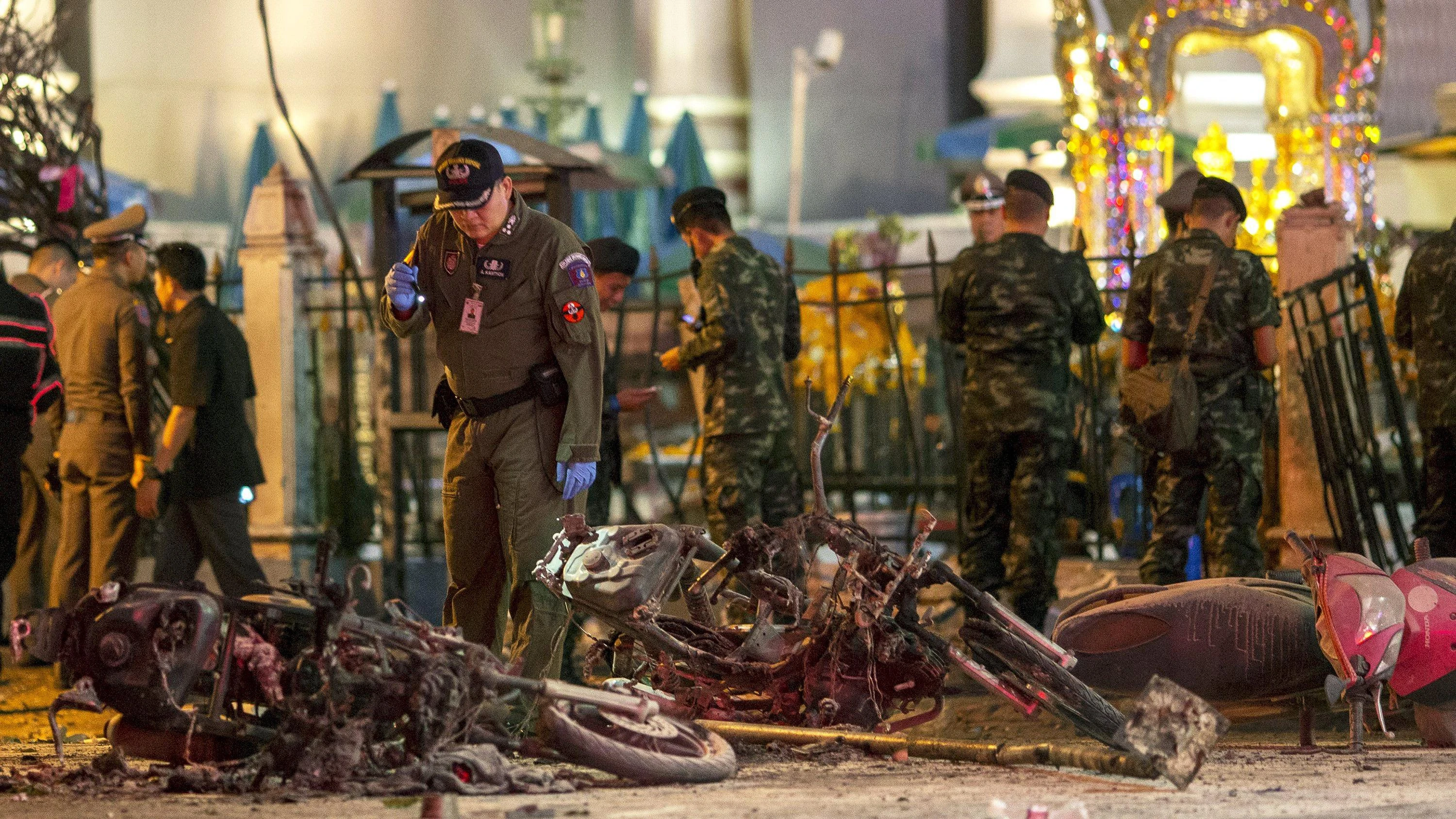
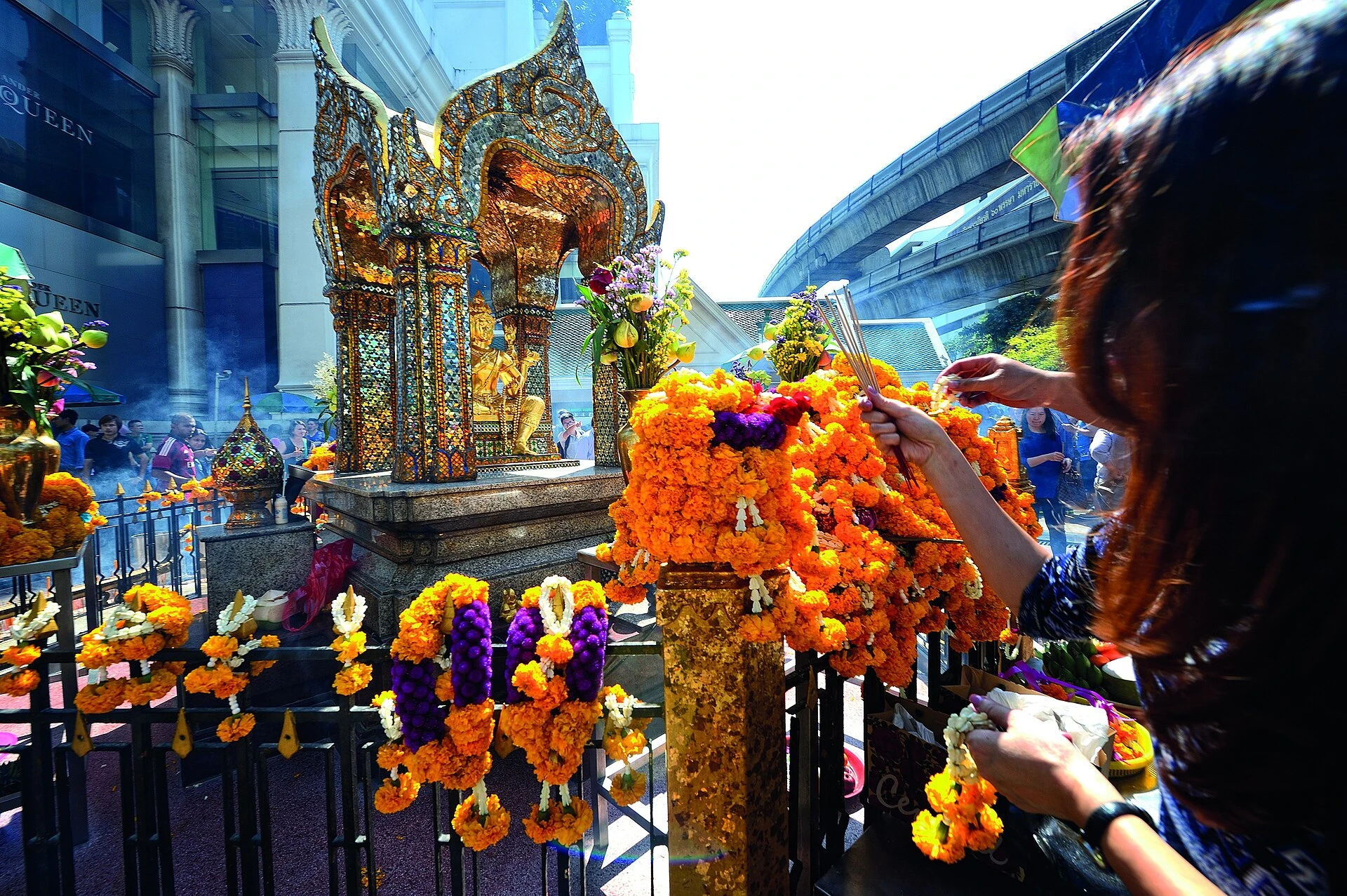
The defendants, Yusufu Mieraili and Bilal Mohammed, were convicted of premeditated and attempted murder for helping plant the bomb at the shrine in Bangkok’s Ratchaprasong intersection, in the Pathum Wan district. The blast struck at about 6:55 p.m. local time on 17 August 2015, ripping through a site crowded with worshippers and tourists in one of the capital’s busiest commercial corridors. Chinese tourists were among the dead, and the scene was left strewn with motorbike fragments and singed debris.
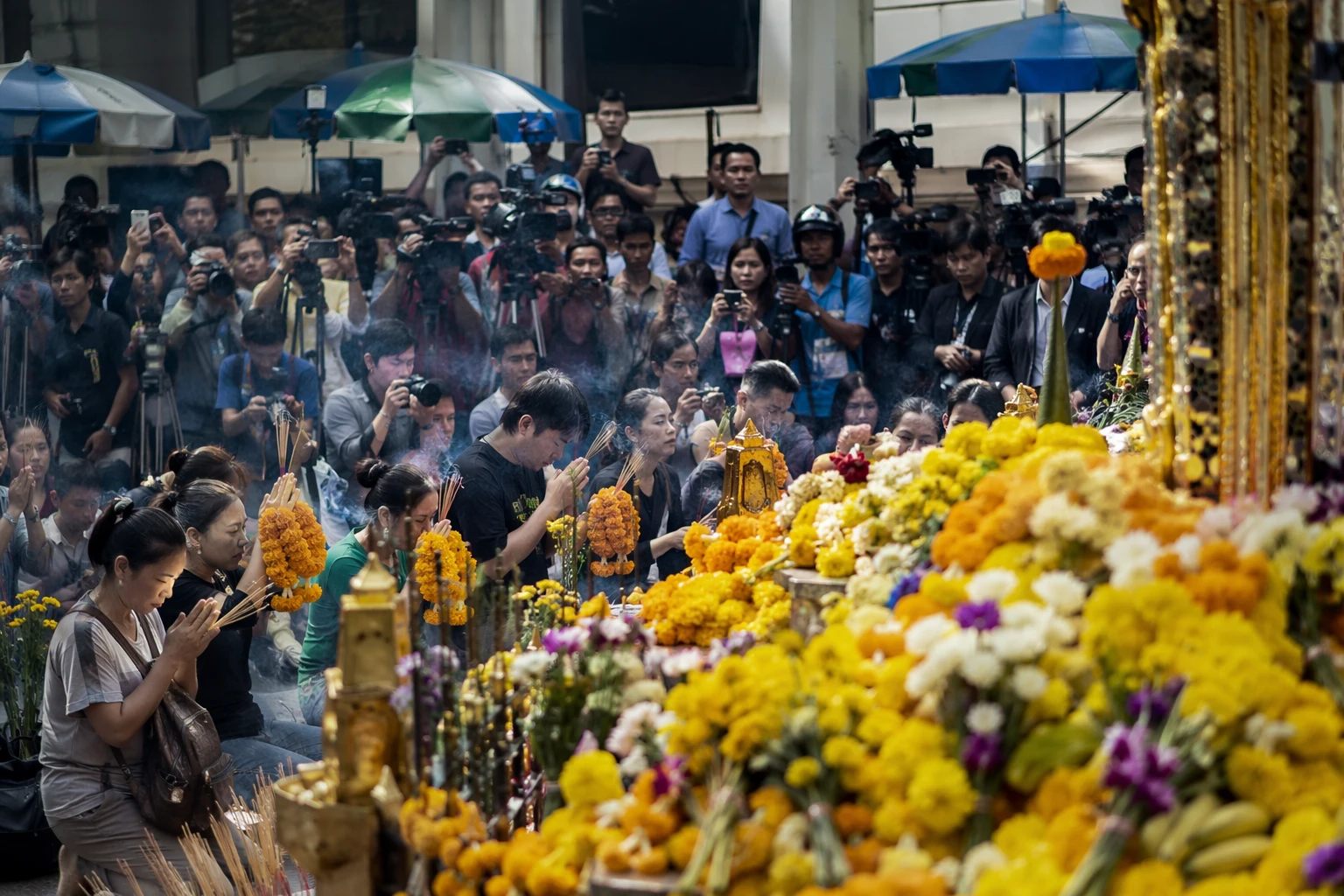
The Bangkok South Criminal Court also ordered the men to pay more than 1 million baht, about $30,000, for damage to public property. One judge on the four-member panel said the case involved a single act that violated multiple laws, leaving death as the harshest penalty available under Thai law. The court acquitted the pair of charges tied to a separate explosion at a pier in Bangkok’s Charoen Nakhon area.
The verdict came after years of delay that turned the trial into one of Thailand’s longest-running criminal cases. Proceedings were slowed by coronavirus disruptions, interpreter problems and the need to gather evidence from hundreds of witnesses. Mieraili reacted sharply after the decision, refusing to accept it.
The bombing cannot be separated from Thailand’s treatment of Uyghurs. Weeks before the attack, Thailand deported 109 Uyghurs to China on 8 July 2015, a move condemned by rights groups and international law advocates as a breach of non-refoulement. Since then, many observers have suspected the shrine attack may have been retaliation, though that theory was never established in the verdict.
The case has also remained politically charged because of what it means for Bangkok’s balancing act. Thailand has faced renewed criticism from United Nations human rights experts and groups such as Amnesty International and the International Commission of Jurists after deporting another 40 Uyghur men to China in February 2025. For Thailand, the ruling brings a legal conclusion to a bombing that shook tourism and public confidence, but it leaves unresolved the larger questions of accountability, diplomacy and the fate of a persecuted minority caught between states.
Sources
- [1]uk.news.yahoo.com
- [2]msn.com
- [3]bloomberg.com
- [4]straitstimes.com
- [5]icj.org
- [6]amnesty.or.th
- [7]channelnewsasia.com
- [8]devdiscourse.com
- [9]bangkokpost.com