Politics
Thailand farm pain from war shock becomes test for Anutin government
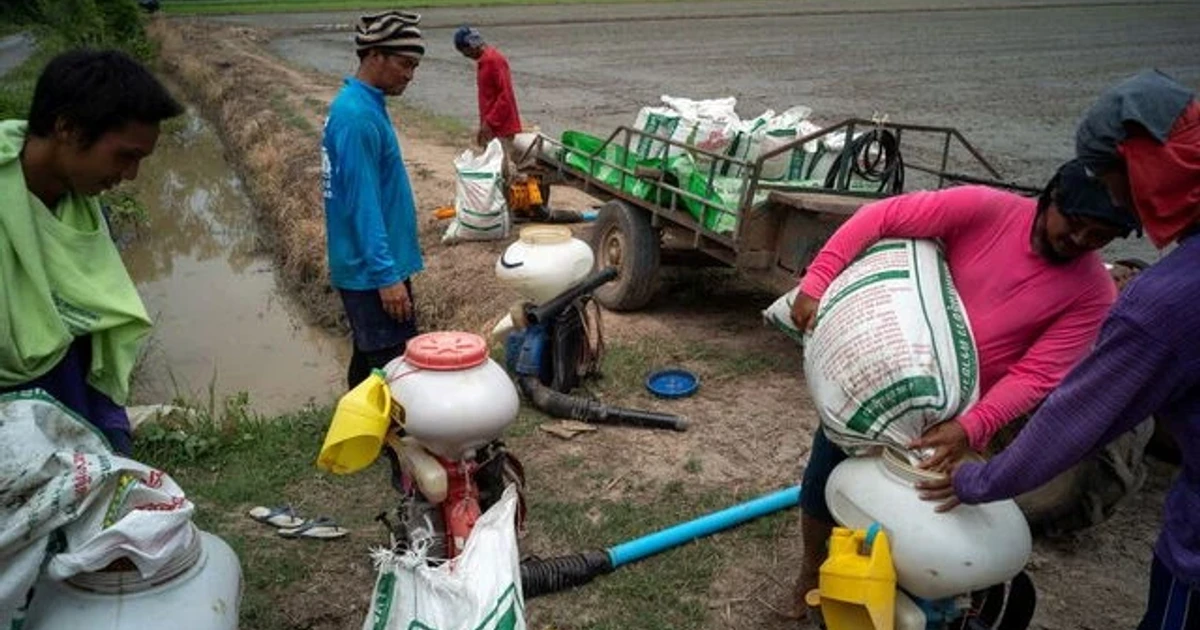
Thailand’s farm belt is being squeezed by a war-driven cost shock that has cut into margins, deepened borrowing and begun to test Prime Minister Anutin Charnvirakul’s political strength. In villages where rural voters helped deliver his Bhumjaithai Party a landslide on February 8, the pressure is now coming through the price of diesel, fertilizer and rice.
Chaon Taiupok, a rice farmer, said politicians courted rural voters before the election but vanished after taking office, leaving producers to absorb the hit from higher input costs and falling crop prices. Retail diesel prices rose by more than 60% at their peak because of the conflict tied to the Iran war, while fertilizer costs climbed by more than 30%, a combination that has made it harder for many farmers to cover basic expenses.
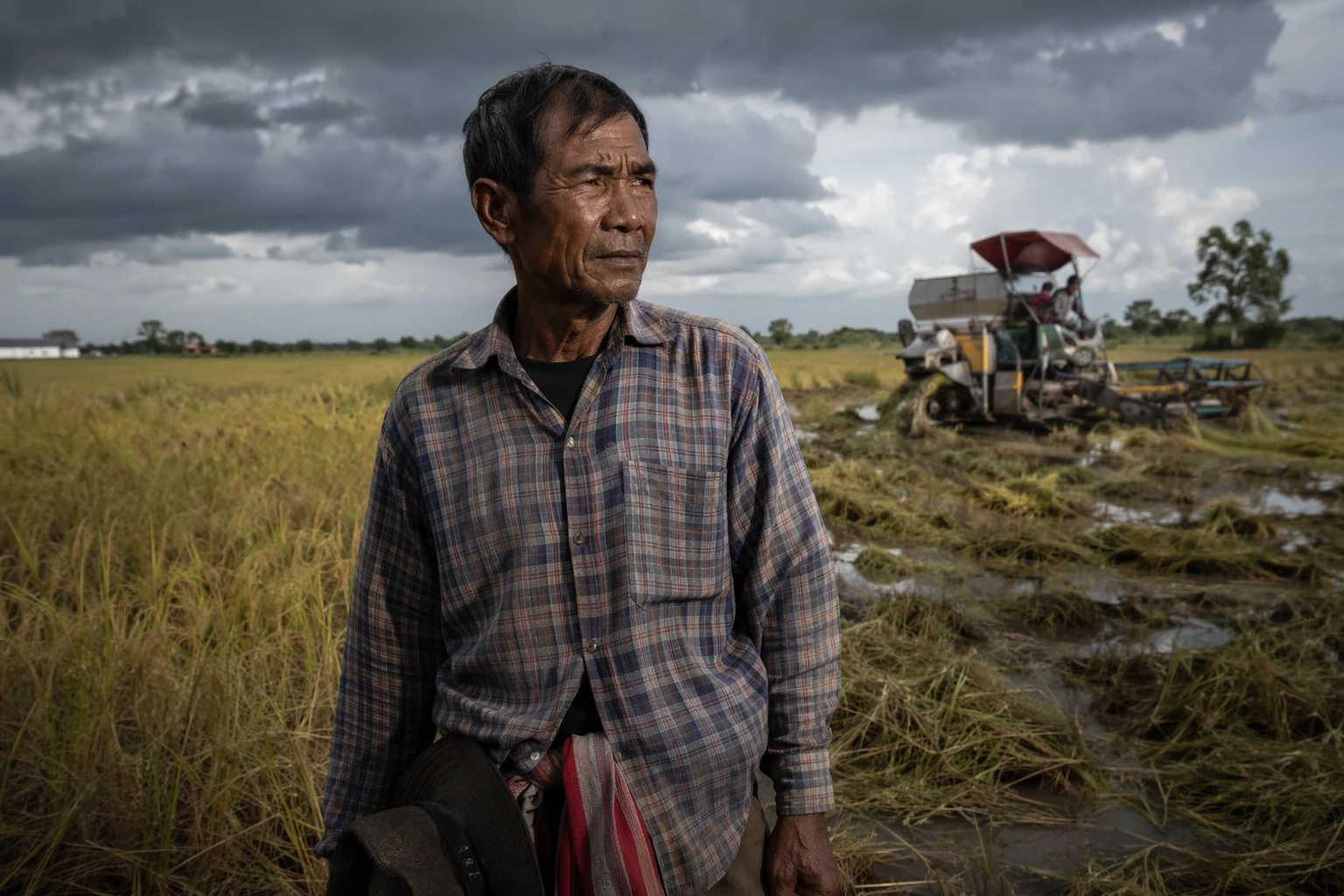
The pain is colliding with a weak market. Thai rice export prices slumped in 2025 to an 18-year low as ample global supply and fierce competition from India pushed prices down further. One farmer, Phayong, said the surge in fuel and fertilizer costs, together with weaker rice prices, left him with an extra 200,000 baht, or $6,125, in losses after his latest harvest. “The debt is overwhelming,” he said.
The political impact is already visible. A Suan Dusit University poll in May found that 57% of respondents had little or no expectation of the government’s performance, a sharp turn from March, when 68% had been optimistic. Nearly 78% said they wanted urgent action on rising living costs, underscoring how quickly the economic squeeze has become a test of confidence in the new administration.
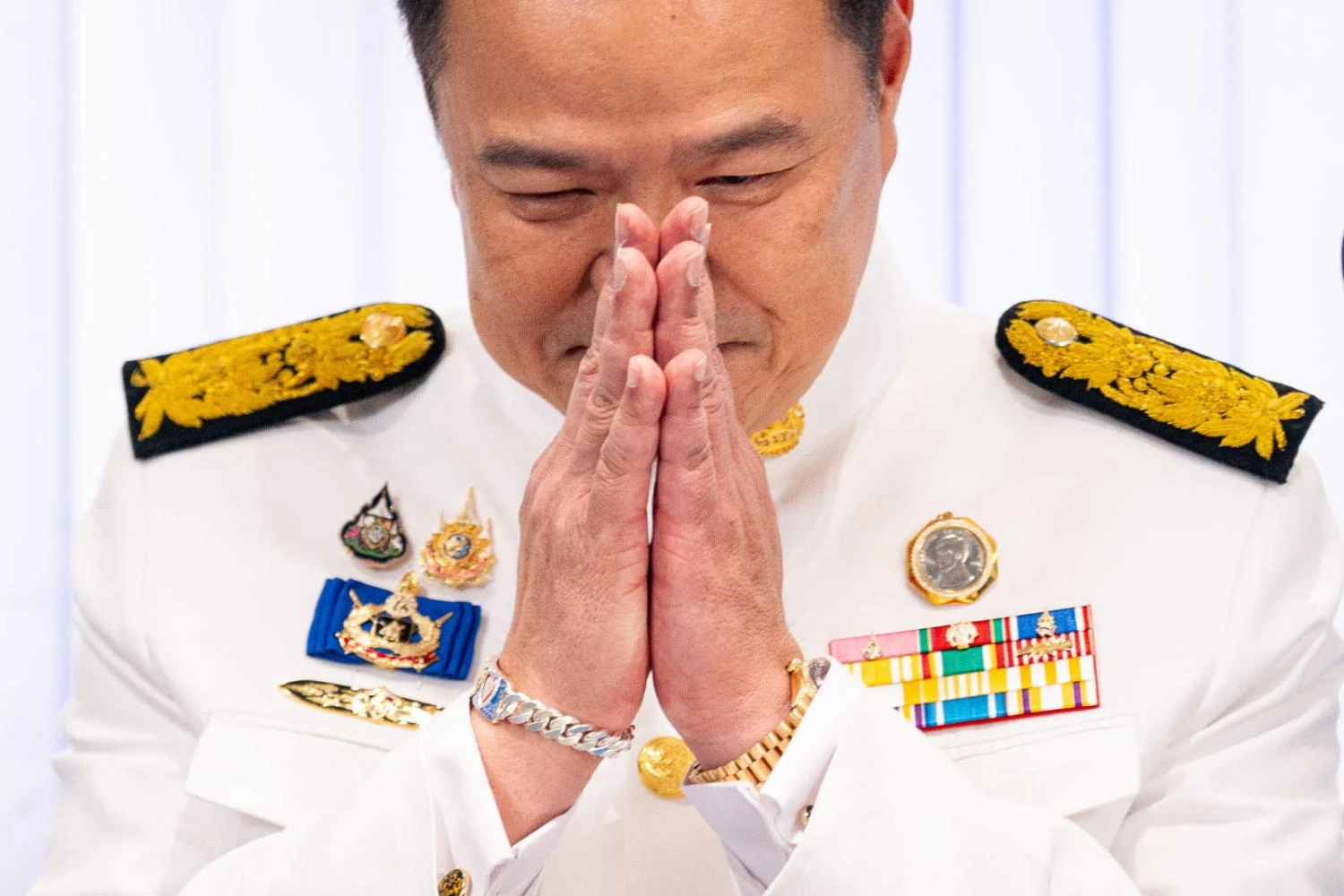
Finance Minister Ekniti Nitithanprapas has described the situation as a “cost-of-living crisis,” while deputy spokesperson Ploythalay Laksameesaengjan said the government will roll out further measures to support people and boost confidence. The administration also argues that war-driven oil prices are outside its control, a defense that may carry limited weight in farming districts where household budgets are already stretched thin.
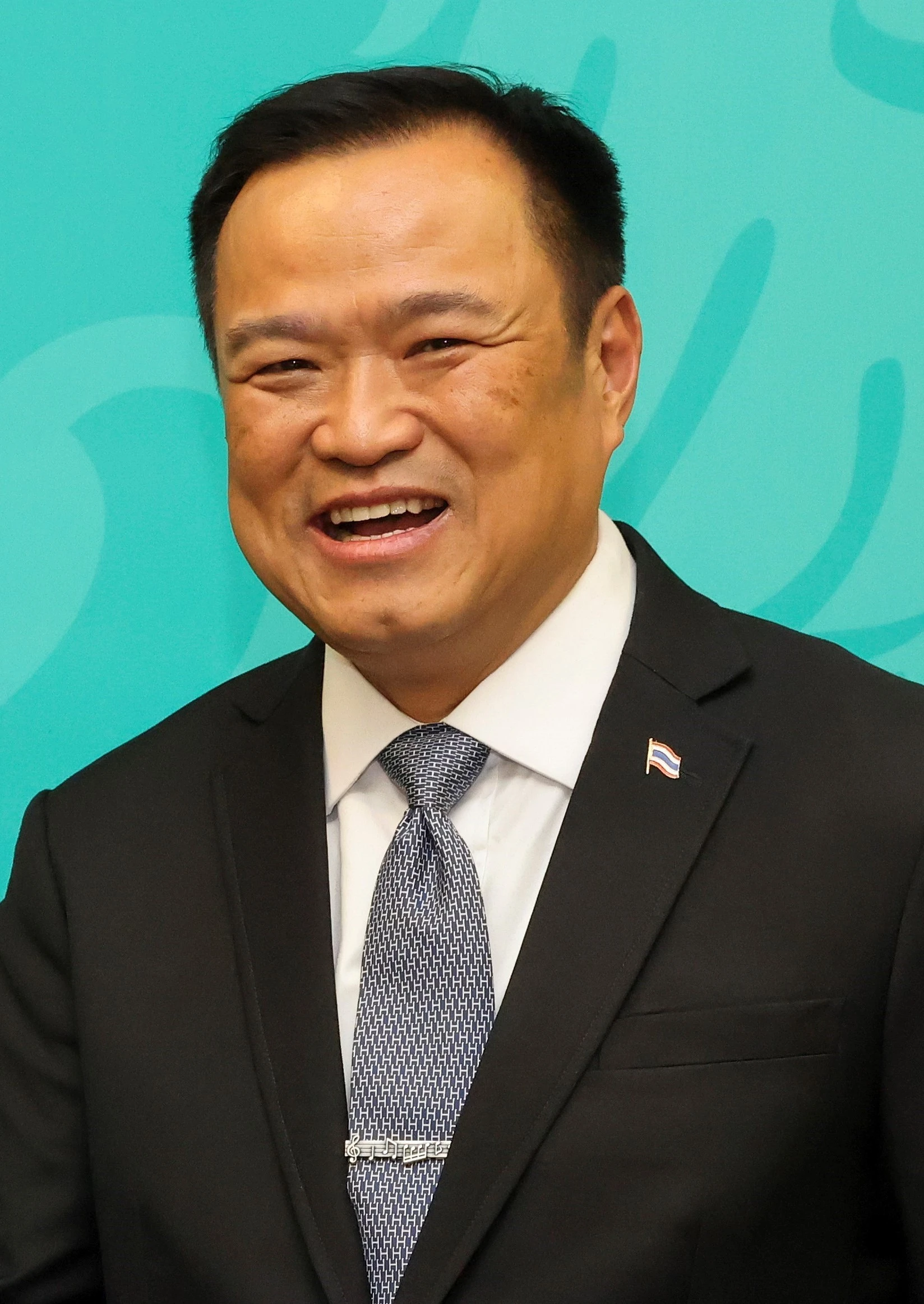
Thailand’s broader policy room is narrow. Household debt stood at 86.7% of GDP, the Bank of Thailand kept its key interest rate at 1%, and inflation is projected to rise above the central bank’s 1% to 3% target this year. For Anutin, that leaves farm debt doing more than hurting a sector that feeds the country. It is becoming an early measure of whether his government can deliver relief in the rural hinterland that brought it to power.
Sources
- [1]usnews.com
- [2]bangkokpost.com
- [3]thestar.com.my
- [4]nationthailand.com